Coming back home after a long tour often feels surreal. You've been waking up in new places, adjusting to different routines, and exploring unfamiliar cultures. But now, the adrenaline slows, and you're back to the same walls, same routines, and the same unanswered emails. It’s no surprise that settling back into regular life after a long tour can feel overwhelming, if not disorienting.
You might find yourself stuck between missing the freedom of travel and trying to find meaning in your daily routine again. The transition can affect your mood, sleep, and productivity. That’s why it’s important to ease into it thoughtfully, instead of forcing yourself into instant normality.
This guide is packed with realistic, practical tips to help you get back into regular life after a long tour. From managing your sleep and work schedule to reigniting social connections and keeping travel memories alive, these steps will help you feel grounded, refreshed, and ready for your next chapter.
1. Accept the Post-Trip Transition
Returning home after weeks of movement, discovery, and freedom can feel surprisingly heavy. The first and most important step in easing back into regular life after a long tour is acknowledging that the shift is real. You have moved from constant stimulation to structured routine, and that adjustment takes time.
Recognise the Emotional Shift
It is completely normal to feel unmotivated, restless, or slightly disconnected. During travel, especially if your journey included outdoor adventures like Trekking and Hiking, your days were filled with novelty, fresh air, and new environments. Back home, daily responsibilities can feel repetitive by comparison.
Instead of resisting those emotions, allow them. Accepting that your mind needs time to recalibrate prevents unnecessary frustration. Emotional awareness creates space for balance.
Give Yourself Permission to Slow Down
Avoid jumping straight into a packed schedule. Give yourself one or two gentle days without pressure. Wake up slowly. Eat comforting meals. Spend time unpacking thoughtfully instead of rushing.
If your tour involved intense experiences such as Trekking and Hiking, your body may also need physical recovery. Gentle stretching, hydration, and light walks can ease the shift from high activity to routine life.
Acceptance is not about losing momentum. It is about grounding yourself so you can return to your normal rhythm steadily rather than abruptly.
2. Reset Your Sleep Schedule
Travel often disrupts sleep patterns, especially when crossing time zones or maintaining irregular schedules. Rebuilding a stable sleep routine is essential when transitioning back into regular life after a long tour.
Rebuild a Consistent Routine
Go to bed and wake up at the same time each day, even if you do not feel naturally tired at first. Consistency trains your internal clock to stabilise again.
If your trip included physically demanding activities like Trekking and Hiking, your body may have adapted to different daylight cycles. Reintroducing structure gradually helps your circadian rhythm recalibrate.
Reduce Screen Exposure Before Bed
Limit phone or laptop use at least one hour before sleep. Blue light can delay melatonin production, making it harder to fall asleep. Instead, read, stretch, or take a warm shower to signal relaxation.
Use Natural Light to Reset
Spend time outdoors during daylight hours. Natural light exposure tells your body when to stay alert and when to wind down. A short morning walk can significantly improve your adjustment.
Quality sleep restores focus, stabilises mood, and improves productivity. Prioritising rest makes the transition smoother and helps you feel energised rather than overwhelmed as you return to daily life.
3. Unpack and Organise Immediately

Letting your suitcase sit unopened can make the transition home feel unfinished. One of the most effective ways to regain stability is to unpack as soon as possible. This small but practical step creates mental clarity and signals that you are ready to re-enter daily life.
Restore Physical Order
Start by separating laundry, cleaning reusable items, and returning travel gear to its proper place. If your trip involved outdoor experiences like Trekking and Hiking, check your equipment carefully. Air out backpacks, clean shoes, and store gear properly to extend its lifespan.
Bringing order to your physical space often reduces mental clutter as well.
Create Closure
Unpacking symbolically closes the chapter on your journey. Display souvenirs, organise travel photos, or write a few reflections while memories are fresh. These small rituals help you appreciate the experience while accepting that it has ended.
This intentional reset supports a smoother emotional shift back into routine.
4. Ease Back into Your Work Routine
Returning to a full workload immediately can feel overwhelming after weeks of movement and exploration. Instead of diving straight into high pressure, give yourself a gradual re-entry.
Start with Light Priorities
If possible, schedule a buffer day before resuming full responsibilities. On your first day back, focus on reviewing emails, organising tasks, and addressing urgent matters only. Avoid overloading yourself with complex projects right away.
If your long tour included physically demanding activities such as Trekking and Hiking, your body and mind may still be adjusting. Allowing a slower pace prevents burnout and improves long-term productivity.
Pace Yourself
You do not need to catch up instantly. Break tasks into manageable segments and set realistic goals for the first week. Gradual momentum feels far more sustainable than forcing rapid output.
A balanced return protects your energy and reduces post-travel stress.
5. Stay Hydrated and Eat Well
Travel can disrupt eating patterns and hydration levels. Long flights, irregular meals, and active days often leave the body depleted. Refuelling properly helps restore balance quickly.
Rehydrate Consistently
Drink plenty of water throughout the day. Dehydration can affect focus, mood, and energy levels. Herbal teas and electrolyte-rich fluids may also support recovery, particularly if your trip involved outdoor exertion like Trekking and Hiking.
Prioritise Nutrient-Rich Meals
Focus on fresh vegetables, fruits, lean proteins, and whole grains. Avoid heavy, processed foods that may leave you feeling sluggish. Proper nutrition strengthens your immune system and sharpens mental clarity.
Small, consistent healthy choices accelerate physical recovery and make the transition back to daily responsibilities smoother.
By organising your environment, pacing your workload, and nourishing your body, you rebuild stability with confidence and balance.
6. Reconnect with Family and Friends
After weeks of movement and new experiences, returning home can feel strangely quiet. Travel fills your days with novelty, especially if your journey included immersive experiences like Trekking and Hiking, where you were constantly engaged with new environments. Reconnecting with the people who matter most helps restore emotional balance.
Share Your Stories
Meet a friend for coffee, have dinner with family, or schedule a relaxed call with someone close. Sharing stories from your trip allows you to process your experiences while strengthening your relationships. Talking about memorable moments, challenges, or even unexpected detours helps bridge the gap between your travel life and home life.
Rebuild Emotional Grounding
Connection provides stability. Familiar conversations and supportive interactions remind you that you belong to a community beyond your travels. If your tour involved extended Trekking and Hiking, you may have spent long hours in solitude or limited communication. Social reconnection brings warmth and grounding.
A few genuine conversations can significantly ease the emotional transition, helping you feel supported rather than disconnected.
7. Set Short-Term Goals

When the excitement of travel fades, routine can feel uninspiring. Creating small, achievable goals helps rebuild momentum and restore a sense of direction.
Start with Simple Tasks
Begin with manageable goals such as organising your travel photos, cleaning and storing gear from your Trekking and Hiking adventures, or trying a new recipe inspired by your trip. These actions give you structure without overwhelming pressure.
Small accomplishments create progress, and progress builds motivation.
Create Positive Anticipation
Plan something enjoyable within the next few weeks. It could be a short local outing, a dinner with friends, or even a weekend walk in nature. If you miss the rhythm of Trekking and Hiking, schedule a nearby trail visit to stay connected with that energy.
Short-term goals shift your focus from post-trip emptiness to purposeful action. Each small step reintroduces routine gradually, helping you ease back into regular life with clarity and renewed enthusiasm.
8. Reflect on Your Travel Experience
Returning home does not mean your journey ends. Reflection allows you to process what you saw, felt, and learned. Whether your adventure included cultural exploration, city discoveries, or outdoor challenges like Trekking and Hiking, taking time to look back helps you integrate those experiences into daily life.
Journal Your Thoughts
Writing down your memories helps preserve details that fade quickly. Describe the places you visited, the conversations you had, and the lessons you discovered. If your trip involved Trekking and Hiking, record how you felt reaching a summit or navigating a difficult trail. Journaling transforms fleeting moments into lasting insight.
Curate and Edit Your Photos
Sorting through photos allows you to relive meaningful highlights. Select images that truly capture emotion rather than just scenery. Creating a small digital album or printed photo book adds structure to your memories and gives you something tangible to revisit.
Create a Memory Project
Scrapbooks, short travel videos, or even a simple blog entry can turn your journey into a creative project. Crafting something meaningful out of your experience makes it feel complete. For adventures like Trekking and Hiking, adding trail maps or small notes about each route can personalise your keepsake.
Identify Personal Growth
Reflection is not only about remembering events. It is also about recognising change. Ask yourself what challenged you, what excited you, and what strengthened your confidence. Travel, especially experiences such as Trekking and Hiking, often builds resilience, patience, and adaptability. Acknowledging growth deepens appreciation for the journey.
Anchor Yourself with Gratitude
Finally, take a moment to feel grateful. Gratitude grounds you in the present while honouring the past. Instead of longing to still be away, you begin to appreciate both your adventure and your home life.
Intentional reflection provides closure while preserving meaning. It gently reconnects you with routine, allowing your return to feel purposeful rather than abrupt.
9. Get Back to Exercise
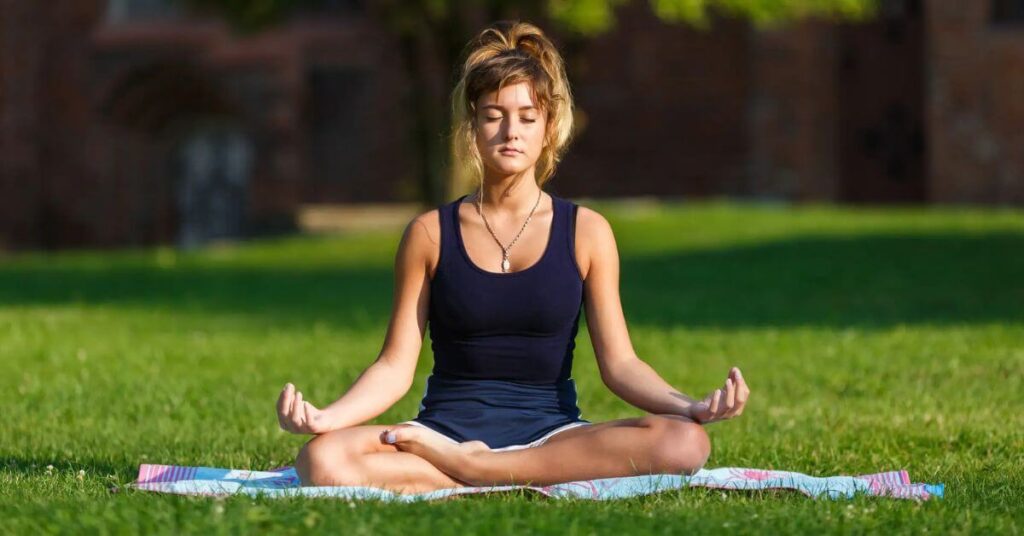
After extended travel, especially if it involved long flights, irregular sleep, or physically demanding days like Trekking and Hiking, your body may feel tight and low on energy. That sluggish feeling is completely normal. Reintroducing movement gradually helps you reconnect with your routine in a healthy way.
Start with Gentle Movement
There is no need to return to intense workouts immediately. Begin with a short walk around your neighbourhood, light stretching at home, or a low-impact yoga session. These small actions help loosen stiff muscles and improve circulation without overwhelming your system.
If your tour included challenging Trekking and Hiking, your legs and back may benefit from mobility exercises and gentle recovery sessions. Focus on flexibility and breathing rather than performance.
Rebuild Strength Progressively
Once your body feels more balanced, slowly increase intensity. A light gym session, swimming, or a moderate cardio workout can help restore stamina. Avoid comparing your current performance to pre-trip levels. Consistency matters more than speed.
Boost Mood and Mental Clarity
Physical activity stimulates endorphins, which improve mood and reduce post-travel fatigue. Movement also supports better sleep patterns, helping stabilise your energy throughout the day.
Reintroducing exercise acts as a bridge between adventure and routine. Whether you are easing out of city travel or outdoor experiences like Trekking and Hiking, steady movement grounds you physically and mentally. It supports a smoother transition back into regular life with renewed strength and clarity.
10. Be Patient with Yourself
Coming home after an extended journey can feel disorienting. Even if you were excited to return, it may take days or weeks before everything feels fully settled again. That adjustment period is normal. Be patient with yourself as you move back into daily routines.
Accept That Readjustment Is Gradual
You have shifted environments, rhythms, and possibly time zones. If your tour included physically demanding experiences such as Trekking and Hiking, your body and mind may still be processing that intensity. Expecting instant productivity only creates unnecessary pressure.
Instead of forcing yourself to “snap back” into your previous pace, allow the transition to unfold naturally. Progress happens step by step.
Celebrate Small Wins
Unpacking your suitcase, doing laundry, replying to emails, or arriving at work on time may seem minor, but they are meaningful milestones. Each small action rebuilds structure and stability. Recognising these achievements helps maintain motivation without overwhelming yourself.
If you miss the rhythm of Trekking and Hiking, incorporate light outdoor walks or exercise into your routine. Small physical movement can ease the emotional transition.
Practise Self-Compassion
Speak to yourself with the same understanding you would offer a friend. Travel often changes perspective, and reintegration takes emotional energy. Allow moments of rest when needed.
Patience creates sustainability. By giving yourself permission to adjust gradually, you ensure a smoother and more balanced return to regular life after a long tour.
Key Steps to Get Back into Regular Life After a Long Tour
| Step | Action | Why It Helps |
|---|---|---|
| Reset Sleep Schedule | Go to bed early, avoid screens | Boosts mood, restores energy |
| Unpack Quickly | Sort laundry, repack essentials | Reduces mental clutter |
| Reconnect Socially | Plan a coffee with a friend | Eases transition, lifts spirits |
| Eat Well and Hydrate | Add fruit, veggies, and water | Supports recovery and mental clarity |
| Reflect on Your Journey | Journal or organise travel photos | Preserves memories, creates closure |
| Return to Exercise | Light walking, yoga, stretching | Boosts energy and mental balance |
Also Read: Everything About Freely Travel Insurance and Its Benefits.
Final Words:
Re-entry after a trip can be unexpectedly challenging, not just physically, but emotionally and mentally too. You've explored new places, met different people, and stepped outside your comfort zone. Returning to routine may feel dull, restrictive, or even overwhelming.
That’s why learning how to ease back into regular life after a long tour is a valuable and often overlooked skill. Start by permitting yourself to take it slow. Don’t expect to dive back into full productivity right away.
Unpack gradually both your bags and your experiences. Reflect, rest, and reconnect. Lean on your support system and ease into routines with intention. Travel transforms you, but home life can enrich you if approached mindfully. With the right mindset, gentle structure, and a bit of self-compassion, you won’t just readjust, you’ll grow as you return back into regular life after a long tour.
FAQs:
Why do I feel unmotivated after returning from a trip?
It’s completely normal. You’ve shifted from adventure and novelty to routine and familiarity. Your mind needs time to process the change and recalibrate.
How long should I give myself to adjust after a long tour?
Give yourself at least a day or two to rest without pressure. Everyone adjusts differently, so listen to your body and mind and ease back gradually.
What are some helpful ways to reset my rhythm post-travel?
Simple things like enjoying slow mornings, eating comforting meals, and allowing some boredom can help reset your routine and restore balance.
Is it okay to feel bored or unproductive after traveling?
Yes, boredom or low motivation is part of the re-entry process. Accepting these feelings helps you transition more mindfully and with less resistance.
How can I emotionally ground myself after a trip?
Start by acknowledging your feelings without judgment. Take time to rest, reflect, and enjoy familiar comforts. This creates a sense of emotional stability.
What does acceptance mean in the context of post-travel adjustment?
Acceptance means allowing yourself to feel and process emotions rather than forcing productivity or instant normalcy. It’s the foundation for a smoother return.