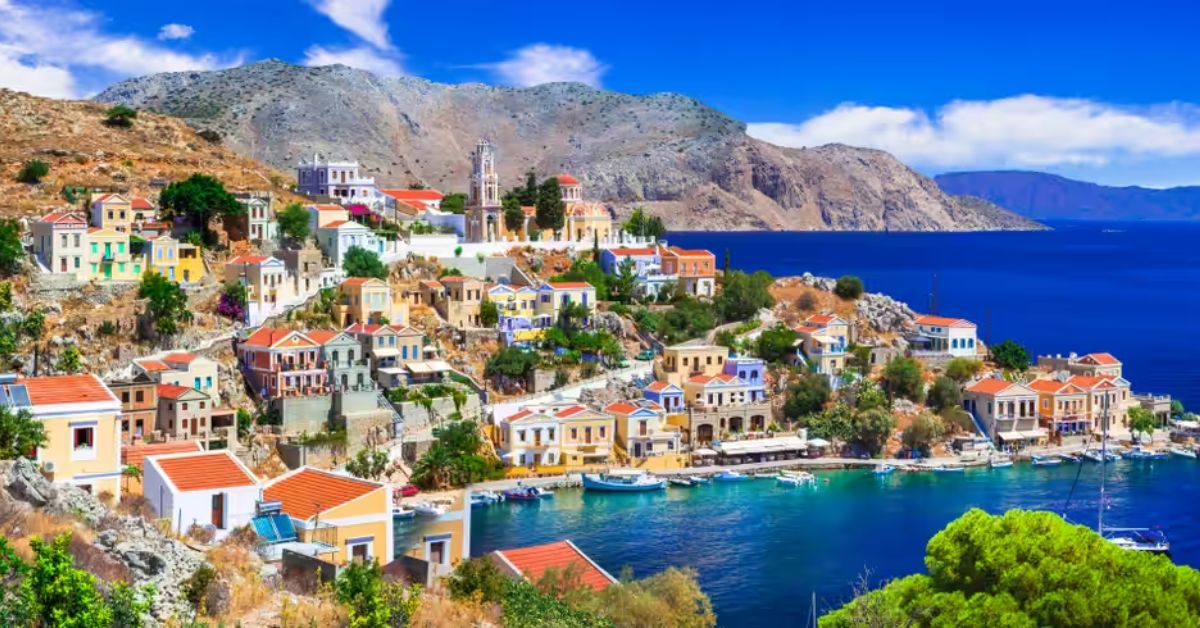
The Greece is home to hundreds of islands, each with its own personality, pace, and appeal. From dramatic volcanic cliffs to long sandy beaches, lively party hubs to quiet fishing villages, the Greek islands offer variety that few destinations can match. For travellers planning their first island trip or returning for a deeper experience, choosing the right islands is just as important as choosing the right time to go.
This complete guide to the best Greek islands to visit is written to help travellers make confident choices. It covers the most popular islands as well as quieter alternatives, based on beaches, culture, food, history, budget, and travel style. Whether you want romance, family-friendly resorts, nightlife, or calm coastal life, there is an island that fits your plans.
Rather than listing islands without context, this guide explains what each destination is best for, when to visit, and who will enjoy it most. By the end, you will have a clear idea of which Greek islands deserve a place on your itinerary and how to combine them for a smooth and rewarding trip.
Why the Greek Islands Are So Popular With Travellers?
The Greek islands stand out because they combine natural beauty with deep history and everyday life. You can swim in clear water in the morning, walk through ancient ruins in the afternoon, and enjoy fresh seafood by the sea in the evening. Distances are short, but experiences feel rich and varied.
Another major reason for their popularity is choice. Some islands feel lively and glamorous, others feel rural and calm. Some are easy to reach with large airports and ferries, while others reward travellers willing to take extra steps. This flexibility allows travellers to shape trips around their budget, pace, and interests.
How to Choose the Best Greek Islands to Visit?
Before selecting islands, it helps to think about a few practical factors. Travel style matters more than popularity. An island that suits a honeymoon couple may not suit a family or a solo traveller.
Key points to consider include:
- Time of year and weather preferences
- Budget for accommodation and transport
- Interest in beaches, history, nightlife, or food
- Comfort with busy tourist areas versus quiet towns
- Ferry connections and travel time between islands
With these points in mind, the sections below explore the best Greek islands to visit, grouped by experience and appeal.
Santorini: Iconic Views and Romance
Santorini is one of the most photographed islands in the world. Known for its whitewashed buildings, blue-domed churches, and dramatic caldera views, it is often associated with romance and special occasions.
What Makes Santorini Special
Santorini’s landscape is shaped by a volcanic eruption, creating steep cliffs that overlook the sea. Towns like Oia and Fira offer sweeping views, especially at sunset. The island also features unique beaches with dark sand and strong local wines grown in volcanic soil.
Who Should Visit Santorini
Santorini suits couples, honeymooners, and travellers looking for scenery and atmosphere. It is less ideal for those seeking long sandy beaches or budget travel.
Practical Tips
Santorini is busiest from June to September. Visiting in May or October offers similar beauty with fewer crowds and better prices.
Crete: Variety, History, and Value
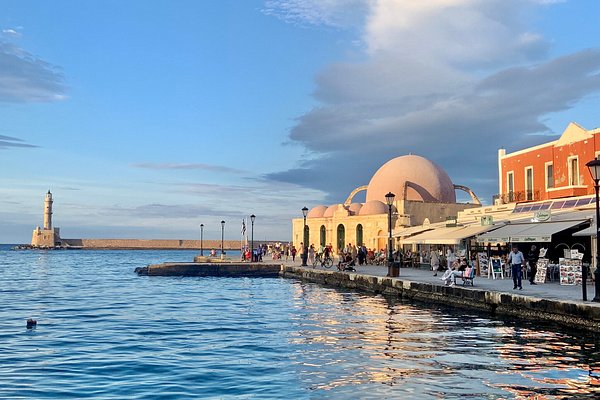
Crete is the largest Greek island and offers the widest range of experiences in one destination. It combines beaches, mountains, historic landmarks, and lively cities, making it suitable for almost any travel style. Because of its size and diversity, Crete can feel like several destinations in one, which appeals to travellers who want depth rather than short stays.
Highlights of Crete
Crete is rich in history and natural scenery. Ancient sites such as Knossos reflect the island’s role in early European civilisation, while landscapes like the Samaria Gorge provide dramatic hiking experiences. The coastline stretches across both the north and south, offering long sandy beaches, quiet coves, and resort areas. Food culture is a major highlight, with local dishes shaped by farming traditions, olive oil production, and seasonal ingredients.
Who Should Visit Crete
Crete works well for families, travellers planning longer stays, and those who enjoy road trips. It suits visitors who want variety without changing islands, as beaches, culture, and nature are all easily combined. Budget travellers also benefit from the island’s size, as competition keeps accommodation and dining options reasonably priced compared to smaller, more famous islands.
Practical Tips
Because Crete is large, choosing more than one base helps reduce long daily drives. Splitting time between regions such as the north coast and the south allows for a more relaxed and balanced trip.
Mykonos: Nightlife and Style
Mykonos is known for its high-energy atmosphere, stylish beach clubs, and strong nightlife scene. It attracts an international crowd and has built a reputation as one of the most social and fashionable Greek islands. While famous for parties, it also offers quieter corners away from the busiest areas.
What to Expect in Mykonos
The island blends traditional Cycladic architecture with modern luxury. Whitewashed buildings sit alongside designer hotels, beach clubs, and upscale restaurants. During summer, nightlife dominates, with beach parties that continue into the night. Away from the main hubs, smaller villages and beaches provide calmer settings for those who want a break from the social scene.
Who Should Visit Mykonos
Mykonos suits travellers who prioritise nightlife, social energy, and a lively beach atmosphere. It appeals to groups of friends, party-focused visitors, and those who enjoy fashionable surroundings. It is less suitable for travellers seeking quiet stays, family-focused trips, or strict budget travel.
Practical Tips
Prices peak in July and August, when demand is highest. Visiting in late May or September offers similar weather with fewer crowds and slightly lower costs, making the experience more comfortable.
Rhodes: History and Beaches Combined
Rhodes offers a strong mix of history, culture, and beach resorts, making it one of the most balanced Greek islands to visit. It combines well-preserved heritage with modern travel infrastructure, which suits a wide range of travellers.
Why Rhodes Stands Out
The Old Town of Rhodes is a UNESCO-listed area with medieval walls, stone streets, and historic buildings that reflect centuries of influence. Outside the city, the island features beaches, traditional villages, and scenic coastal drives. This mix allows visitors to enjoy both cultural exploration and relaxed beach time without frequent travel.
Who Should Visit Rhodes
Rhodes suits families, history enthusiasts, and travellers who want a balanced holiday that includes sightseeing and relaxation. Its organised resorts and cultural sites make it appealing for travellers who prefer convenience without giving up character.
Practical Tips
Rhodes has a large international airport with direct connections from many countries, making travel straightforward. Choosing accommodation near both cultural sites and beaches helps maximise time without long journeys.
Paros: Balanced and Approachable
Paros has steadily grown in popularity because it offers an easy balance of charm, beaches, and accessibility. It provides a relaxed alternative to busier Cycladic islands while still offering enough energy, dining options, and activities to feel engaging rather than quiet or limited.
What Makes Paros Appealing
Paros features attractive coastal towns such as Naoussa, which combines a working harbour with lively cafés and restaurants. Beaches are varied and easy to reach, ranging from family-friendly stretches to spots suited for water sports. Ferry connections are reliable, making travel to and from Paros straightforward. The island feels lively in the evenings without becoming overwhelming.
Who Should Visit Paros
Paros suits first-time island visitors who want an introduction to the Cyclades without heavy crowds. It also appeals to couples and travellers seeking a well-rounded experience that includes beaches, local life, and relaxed nightlife without the intensity found on more famous islands.
Practical Tips
Paros works very well as part of an island-hopping route. Frequent ferry services connect it with nearby islands such as Naxos and Santorini, making it easy to combine destinations without long travel days.
Naxos: Space, Beaches, and Local Life
Naxos is the largest island in the Cyclades and offers a strong mix of open landscapes, long beaches, and traditional inland villages. It feels less crowded than many neighbouring islands, even during busy months.
Why Naxos Is a Favourite
Naxos has room to breathe. Its beaches are wide and sandy, ideal for families and relaxed beach days. Inland, small villages, farms, and historic sites provide a glimpse of everyday island life. This combination creates a slower pace without sacrificing comfort or choice.
Who Should Visit Naxos
Naxos is ideal for families, couples seeking a calm setting, and travellers who prefer quieter environments. It suits those who want space, local character, and good facilities without the pressure of constant activity or nightlife.
Practical Tips
Naxos offers strong value compared to more famous Cycladic neighbours. Accommodation and dining tend to be more affordable, especially for longer stays, making it a practical choice for extended trips.
Corfu: Green Landscapes and Culture
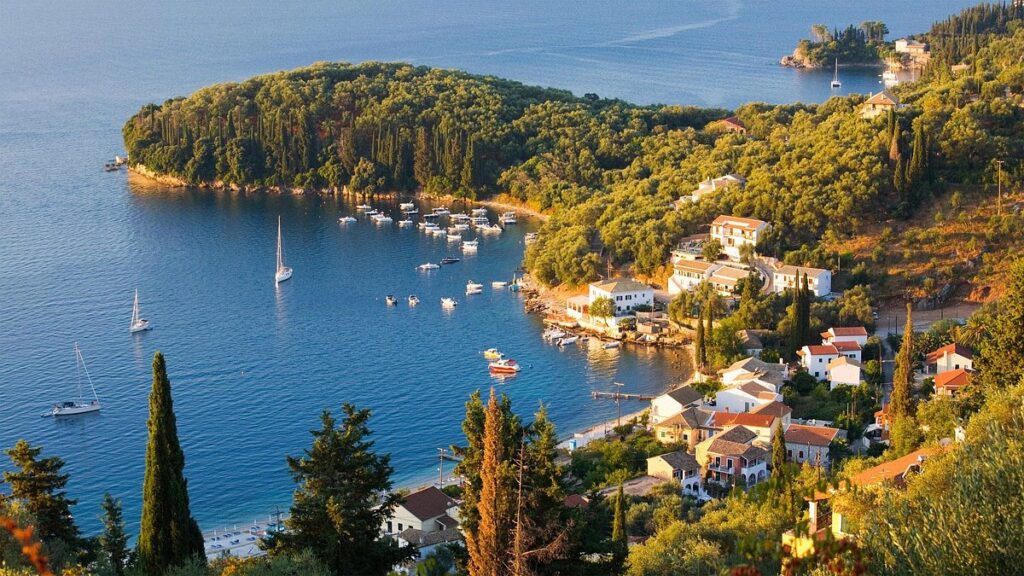
Corfu stands apart from many Greek islands due to its lush scenery and layered European influences. Its look and feel differ noticeably from the white-and-blue Cycladic style.
What Sets Corfu Apart
The island is characterised by rolling hills, olive groves, and green countryside. Architectural influences from Venetian, French, and British periods are visible in towns and historic buildings. Beaches vary widely, from sandy bays ideal for families to rocky coves with clear water.
Who Should Visit Corfu
Corfu suits travellers interested in culture, scenery, and a mix of resort areas and traditional towns. It appeals to visitors who want variety within one island, combining history, nature, and beach time.
Practical Tips
Corfu is busiest in summer. Spring and early autumn offer milder weather, fewer visitors, and a more relaxed experience while still providing access to beaches and cultural sites.
Lesser-Known Greek Islands Worth Visiting
Beyond the most famous names, several Greek islands offer quieter and more traditional experiences. These destinations suit travellers who value authenticity and prefer fewer crowds.
Milos
Milos is known for its striking rock formations and colourful beaches shaped by volcanic activity. It appeals to travellers who enjoy unusual landscapes and calm coastal settings.
Sifnos
Sifnos is respected for its food culture and peaceful villages. It suits travellers focused on local cuisine, walking routes, and a slower island rhythm.
Tinos
Tinos features traditional architecture, hilltop villages, and a strong local identity. It attracts visitors who want a quieter experience rooted in everyday island life.
These lesser-known islands reward travellers who prioritise calm surroundings, cultural depth, and a more personal connection with local communities.
Best Greek Islands to Visit by Travel Style
Choosing the right island based on travel style helps create a smoother and more enjoyable trip. The Greek islands vary widely in pace, cost, and atmosphere, so matching your preferences with the right destinations makes planning easier and avoids common mistakes.
For First-Time Travellers
Paros, Naxos, and Crete offer balance and ease for those visiting the Greek islands for the first time. These islands provide good infrastructure, reliable transport links, and a mix of beaches, towns, and cultural sites. They allow travellers to experience island life without pressure, long transfers, or limited services.
For Couples and Romance
Santorini, Paros, and Milos suit couples seeking scenic surroundings and a relaxed pace. These islands offer attractive views, calm beaches, and intimate dining settings. They work well for honeymoons, anniversaries, or quiet getaways where atmosphere matters more than constant activity.
For Families
Crete, Rhodes, and Naxos provide space, family-friendly beaches, and a wide range of activities. These islands offer larger resorts, calm swimming areas, and practical transport options. Families benefit from the ability to combine beach time with sightseeing without frequent travel.
For Nightlife
Mykonos is the leading choice for nightlife, offering beach clubs, late-night venues, and a lively social scene. Parts of Paros also provide evening entertainment in a more relaxed setting. These islands suit travellers who enjoy music, social energy, and busy summer nights.
For Budget Travellers
Crete, Naxos, and lesser-known Cycladic islands offer better value for budget-focused trips. Accommodation options are more varied, dining costs are lower, and longer stays are more affordable. These islands allow travellers to enjoy beaches, culture, and local life without high daily expenses.
Island Hopping Tips for Greece
Island hopping is one of the best ways to experience Greece, but planning matters.
- Stick to one island group per trip
- Allow buffer time between ferries
- Avoid tight schedules in windy seasons
- Choose central islands with good connections
Cyclades islands like Paros, Naxos, and Santorini work well together.
Best Time of Year to Visit the Greek Islands
Choosing the right time of year shapes how comfortable, affordable, and relaxed your trip to the Greek islands feels. Weather, sea conditions, and crowd levels change clearly across the seasons, so timing matters as much as island choice.
Late May to June and September are widely considered the most comfortable periods to visit the Greek islands. During these months, temperatures are warm but not overwhelming, the sea is pleasant for swimming, and popular destinations feel busy without becoming crowded. Prices are also more reasonable than peak summer, making travel smoother and more balanced.
July and August bring higher temperatures, stronger sunlight, and noticeably higher prices. These months suit travellers who enjoy lively beaches and nightlife but can feel intense, especially on smaller islands. Spring and autumn are better suited to calmer travel, offering mild weather, easier ferry travel, and a more relaxed pace across most islands.
How Long to Spend on Each Island
Deciding how long to stay on each island helps avoid rushed schedules and travel fatigue. Greek island travel works best when there is enough time to settle into each place rather than moving constantly.
A minimum of three nights per island allows time to explore beaches, towns, and local food without pressure. This is especially important on islands with varied landscapes or multiple towns. Larger islands like Crete benefit from longer stays of seven days or more, as distances are greater and experiences are more spread out.
Smaller islands can be enjoyed in shorter stays, but even then, allowing a few full days improves the experience. Fewer islands with longer stays usually create a more relaxed and rewarding Greek island trip than trying to see too much in limited time.
Common Mistakes to Avoid
- Trying to visit too many islands
- Travelling only in peak summer
- Ignoring ferry schedules
- Choosing islands based on photos alone
Careful planning leads to a smoother experience.
Must Read:
- Best Time to Go to Oregon for Budget Travellers
- Best Time to Visit Bermuda for First-Time Travellers
- Arlo Wynwood Miami: Location, Rooms, and Amenities Explained
Final Thoughts:
The best Greek islands to visit depend on what you want from your trip. There is no single perfect choice, but there is always a right match. From the dramatic views of Santorini to the variety of Crete and the balance of Paros and Naxos, Greece offers island experiences for every type of traveller.
Taking time to match your travel style with the right islands makes the difference between a good trip and a great one. With thoughtful planning, the Greek islands offer beauty, history, food, and warmth that stay with travellers long after the journey ends.