
Maui is often associated with luxury resorts, busy beaches, and premium prices, but that version of the island is not the only one available. With the right timing, travellers can experience Maui in a calmer, more affordable, and more comfortable way. Choosing the best time to visit Maui without crowds or high prices is the key to enjoying its beaches, landscapes, and culture without pressure or overspending.
Maui’s popularity means demand fluctuates sharply throughout the year. Flights, accommodation, car rentals, and even restaurant availability change depending on season, school holidays, and weather patterns. Travelling during the wrong month can lead to packed beaches and inflated costs, while travelling at the right time creates space, value, and flexibility.
This complete guide explains when and why Maui becomes quieter and more affordable. It covers seasonal pricing patterns, weather conditions, crowd levels, and practical travel planning tips. Whether you are a couple, a solo traveller, or visiting with family, this guide helps you choose a time that offers balance rather than excess.
Why Maui Feels Crowded and Expensive at Certain Times?
Maui’s tourism peaks when several factors overlap. Mainland school holidays, winter travel from colder regions, and summer vacation periods all drive demand. At the same time, Maui has limited accommodation supply compared to demand, which causes prices to rise quickly.
Winter draws travellers escaping cold climates, while summer brings families on school breaks. Festivals, whale season, and holiday travel add further pressure. When these periods overlap, Maui feels busy and costly.
Avoiding crowds and high prices means avoiding these peak demand windows while still choosing months with reliable weather and access to attractions.
Understanding Maui’s Seasons Before Planning
Maui’s climate remains warm year-round, but travel experience changes significantly by season. Rainfall, wind, ocean conditions, and visitor numbers vary throughout the year.
- Winter: December to March
- Spring: April to May
- Summer: June to August
- Autumn: September to November
While temperatures stay comfortable most of the year, crowd levels and pricing shift dramatically between these seasons.
Best Overall Time to Visit Maui Without Crowds or High Prices
For most travellers, the best time to visit Maui without crowds or high prices falls in late April to early June and September to early December, excluding holiday weeks.
These shoulder-season periods offer a strong balance. Weather remains pleasant, beaches feel open, accommodation prices drop, and flights become more affordable. Attractions operate normally without long waits, and the island feels relaxed rather than rushed.
Visiting Maui in Spring (April to May)
Spring is one of the most reliable periods for avoiding crowds and inflated prices.
Weather in Spring
Temperatures remain warm and comfortable, with less humidity than summer. Rainfall decreases compared to winter, especially in resort areas. Ocean conditions are generally calm, making spring suitable for swimming and snorkelling.
Crowd Levels
After the winter rush ends in March, visitor numbers drop noticeably. Beaches, scenic drives, and restaurants feel less busy, even in popular areas.
Prices and Value
Accommodation and flight prices fall after peak winter season. Travellers can often find better room options at lower rates.
Spring suits travellers who want calm surroundings, good weather, and flexibility without paying peak-season prices.
Visiting Maui in Summer (June to August)
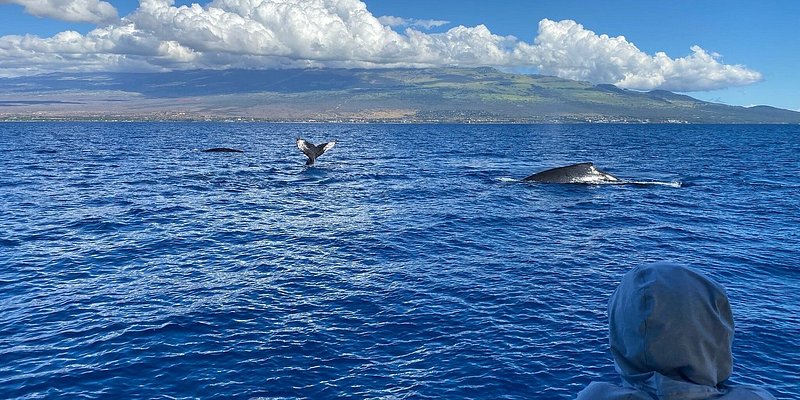
Summer in Maui brings sunshine and long days, but it is not ideal for travellers trying to avoid crowds or high prices. Demand rises sharply during this period, and the island feels noticeably busier. Still, with careful timing, limited windows can offer a slightly calmer experience.
Crowd Pressure
June and July coincide with school holidays, bringing a surge of family travel from the mainland. Popular beaches, scenic roads, and major attractions become crowded, especially in resort-heavy areas such as Wailea and Kaanapali. Traffic increases, parking becomes harder to find, and reservations are often required well in advance.
Pricing
Summer pricing remains high throughout the season, with July being the most expensive month. Accommodation rates peak, car rentals become scarce, and flight prices rise due to demand. Budget options are limited, and flexibility is reduced, especially for last-minute planners.
When Summer Can Work
Late August can offer some relief as schools reopen and family travel declines. During this short window, crowds begin to thin and prices may soften slightly. While not truly low season, late August is the only part of summer that may suit travellers with flexible dates who want slightly better value.
Summer is best avoided by travellers seeking quiet and affordability, except for carefully chosen late August dates.
Visiting Maui in Autumn (September to November)
Autumn is one of the strongest periods to visit Maui without crowds or high prices. This season offers a rare combination of comfortable weather, open spaces, and improved travel value, making it ideal for relaxed trips.
Weather Conditions
September and October remain warm and dry, with plenty of sunshine and calm ocean conditions. These months are excellent for swimming, snorkelling, and coastal activities. November brings a small increase in rainfall, but showers are usually brief and do not disrupt travel plans significantly.
Crowd Levels
Visitor numbers drop sharply after summer holidays end. Beaches feel spacious, roads are easier to navigate, and popular attractions can be enjoyed without pressure. The island atmosphere becomes noticeably calmer, allowing travellers to move at a comfortable pace.
Pricing Benefits
Autumn often brings some of the lowest accommodation, flight, and car rental rates of the year, excluding holiday weeks. Hotels offer better availability, and travellers have more choice across different areas of the island. These savings extend beyond lodging, as tours and dining are easier to book.
Autumn delivers excellent value and a relaxed atmosphere, making it a top choice for travellers who prefer space, comfort, and balanced costs.
Visiting Maui in Winter (December to March)
Winter is Maui’s busiest and most expensive season, driven by seasonal travel patterns and natural attractions. While weather remains pleasant, this period is not suited to travellers avoiding crowds or high prices.
Why Winter Is Busy
Large numbers of visitors arrive from colder regions seeking warm weather. Whale season, which peaks from January to March, adds further demand, drawing visitors specifically for ocean viewing experiences. This combination keeps occupancy levels high across the island.
Pricing Impact
Accommodation prices reach their annual peak during winter, especially around Christmas, New Year, and mid-winter months. Flights and car rentals are also more expensive, and availability becomes limited. Travellers often need to book far in advance to secure preferred options.
When Winter Might Still Work
Early December, before the Christmas rush, can be slightly quieter and more affordable. Late March may also see easing demand as winter travel tapers off. These brief periods offer marginal relief but still cost more than shoulder-season travel.
Winter is generally not suitable for travellers trying to avoid crowds or high prices. For those prioritising calm surroundings and value, other seasons offer far better balance.
Month-by-Month Breakdown for Low Crowds and Better Prices in Maui
This month-by-month guide explains how crowd levels and prices change across the year. While Maui has good weather year-round, demand shifts sharply by month. Knowing these patterns helps travellers choose calmer periods with better value and avoid peak pressure.
1. January
January is one of Maui’s busiest and most expensive months. Winter travel from colder regions peaks, and whale season draws large numbers of visitors. Accommodation prices remain high, car rentals are limited, and popular beaches feel crowded. While weather is pleasant, this month is not suitable for travellers looking for quiet surroundings or lower costs.
2. February
February continues the winter rush, with strong demand driven by whale watching and seasonal holidays. Visitor numbers stay high, and prices for hotels and flights remain elevated. Beaches, restaurants, and scenic viewpoints are often busy. Although conditions are comfortable, February offers little relief for budget travellers or those seeking a calm island atmosphere.
3. March
Early March remains busy, especially during the first half of the month when winter travel is still strong. As the month progresses, visitor numbers slowly begin to drop. Late March feels less crowded, and some prices ease slightly. While not yet ideal, the second half of March marks the transition toward quieter travel.
4. April
April delivers one of the best balances of weather, crowd levels, and pricing. Winter visitors have largely departed, and summer travel has not yet begun. Beaches feel more open, road traffic eases, and accommodation prices drop noticeably. April is an excellent month for travellers seeking calm conditions without sacrificing weather quality.
5. May
May is one of the strongest months for relaxed and affordable travel in Maui. Visitor numbers remain moderate, prices are reasonable, and availability improves across hotels and car rentals. Weather stays warm and dry, making it ideal for beach time and outdoor activities. May consistently offers value, comfort, and a peaceful island feel.
6. June
June marks the gradual start of summer demand. Early June remains fairly calm, with manageable crowds and acceptable prices. As the month progresses, family travel increases due to school holidays, bringing higher demand. Timing matters, as late June becomes noticeably busier and more expensive than the first half of the month.
7. July
July is peak summer season in Maui and one of the worst months for avoiding crowds and high prices. Resorts are full, beaches are busy, and accommodation rates reach their summer peak. Traffic increases, and bookings require advance planning. July offers the least value for travellers prioritising space, calm, and affordability.
8. August
August remains busy during the first half of the month, with summer travel still in full swing. As schools begin to reopen later in the month, demand slowly eases. Late August can offer slightly lower prices and thinner crowds. While not true low season, this window provides some relief for flexible travellers.
9. September
September is one of the quietest and most affordable months to visit Maui. Summer crowds disappear, prices drop across accommodation and transport, and the island feels relaxed. Beaches, trails, and scenic roads are noticeably less busy. Weather remains excellent, making September a top choice for travellers avoiding crowds and overspending.
10. October
October continues the low-crowd pattern with strong value and comfortable conditions. Visitor numbers stay low, prices remain reasonable, and daily travel feels easy. Beaches are calm, and attractions are rarely congested. October is a reliable month for travellers seeking a peaceful Maui experience with minimal compromise.
11. November
November offers good value and moderate crowd levels, particularly during the first half of the month. Prices rise briefly around Thanksgiving as domestic travel increases, but outside that period, Maui remains calm and affordable. Weather stays pleasant, making November a solid shoulder-season option when timed carefully.
12. December
Early December is relatively quiet and can offer decent value before holiday travel begins. As Christmas and New Year approach, visitor numbers rise sharply, and prices increase. Late December becomes crowded and expensive. Travellers seeking low crowds should focus on the first half of the month only.
Best Areas in Maui for Avoiding Crowds
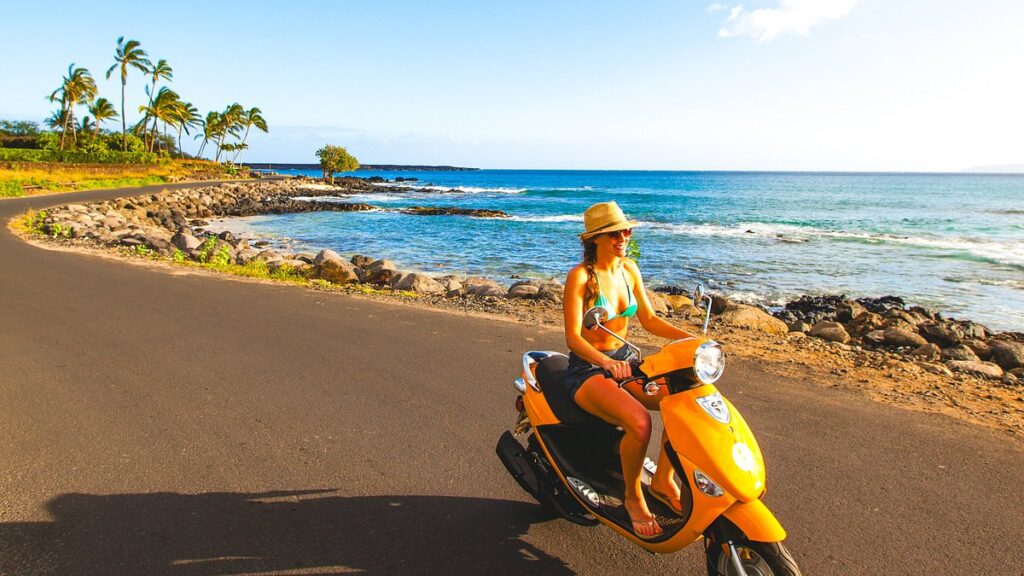
Choosing the right area in Maui matters just as much as choosing the right travel month. Even during busier seasons, some parts of the island remain noticeably calmer than others. Staying outside heavily concentrated resort zones helps travellers enjoy Maui at a slower, more comfortable pace.
South Maui
South Maui is one of the best areas for avoiding crowds while still having access to beaches, shops, and dining. Towns like Kihei offer a wide range of accommodation options, from budget-friendly stays to mid-range condos. Compared to resort-heavy areas, South Maui feels more spread out, with less congestion and easier beach access throughout the day.
Upcountry Maui
Upcountry Maui sits at higher elevation and offers a quieter, cooler environment. This area feels more residential and rural, especially during shoulder seasons. Fewer tourists stay here, which creates a calm atmosphere and lighter traffic. Upcountry suits travellers who enjoy scenic views, local life, and a break from coastal crowds.
Less Commercial Beaches
Beaches away from major resorts tend to remain calm even during moderately busy periods. These beaches may have fewer facilities, but they offer more space and a relaxed setting. Travellers willing to drive slightly farther often find quieter shorelines where the experience feels less rushed and more personal.
Cost Savings Beyond Accommodation
Visiting Maui during quieter months reduces more than hotel costs.
- Car rental prices drop outside peak periods
- Restaurants are easier to book
- Tour availability improves
- Parking and traffic issues ease
These small savings add up over the course of a trip.
Activities That Feel Better Without Crowds
Certain Maui experiences improve significantly during quieter seasons.
- Road to Hana drives feel less stressful
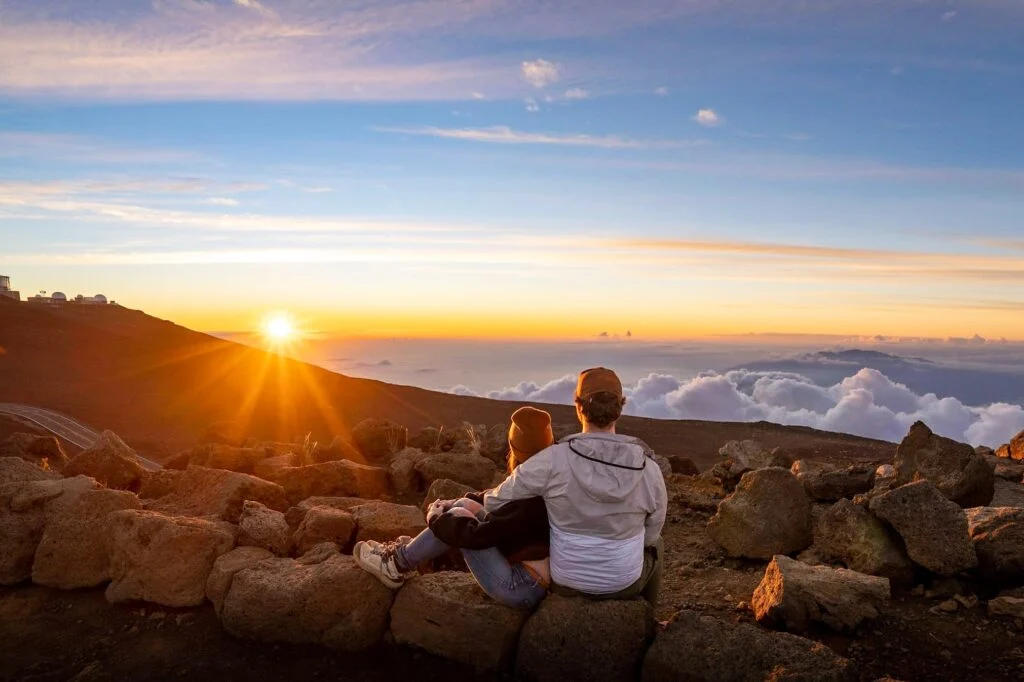
- Sunrise visits to Haleakalā are easier to schedule
- Snorkelling spots are less congested
- Hiking trails feel peaceful
Timing directly affects enjoyment, not just cost.
Travel Tips for Visiting Maui During Quiet Periods
- Avoid US public holidays
- Book flights midweek when possible
- Stay flexible with accommodation types
- Choose shoulder-season dates over peak travel windows
How Long to Stay for Best Value
For travellers trying to avoid crowds and high prices, the length of stay in Maui can make a noticeable difference to overall value. Staying too short often increases daily costs, while a well-paced stay allows expenses to balance out more effectively.
A stay of 7 to 10 days offers the best value for most visitors. During quieter months, longer stays often come with lower nightly rates on accommodation, especially for condos and vacation rentals. This length also reduces pressure to rush activities, which helps avoid unnecessary spending on tours or transport.
Short trips of 4 to 5 days can feel expensive, as flight costs stay the same while accommodation discounts are limited. Longer stays of 10 to 14 days work well for travellers visiting during shoulder seasons, when reduced rates make extended time more affordable and relaxed overall.
Who Benefits Most From Off-Peak Maui Travel
- Couples seeking calm and privacy
- Solo travellers who enjoy open spaces
- Families with flexible schedules
- Budget-conscious travellers
Common Mistakes to Avoid
- Assuming summer is always best
- Travelling during school holidays unintentionally
- Booking without checking seasonal demand
- Staying only in high-density resort areas
Must Read:
- Best Time to Visit Brazil for Families and Couples
- Map of Hawaiian Islands for Tourists and Travel Planning
- Best Greek Islands to Visit: A Complete Travel Guide
Final Thoughts:
The best time to visit Maui without crowds or high prices lies outside peak demand, not outside comfort. Late April to early June and September to early December offer the strongest balance of weather, affordability, and calm surroundings.
Maui feels different when crowds thin out. Beaches open up, roads feel relaxed, and prices align better with value. With thoughtful timing, Maui becomes not just a luxury destination, but a comfortable and rewarding island experience without excess.