Visiting Germany can feel completely different depending on when you go. The country shifts mood, pace, prices, and crowd levels across the year. From lively summer squares and packed beer gardens to calm autumn streets and spring festivals, timing shapes every part of the experience. That is why choosing between peak season and shoulder season matters so much.
Many travellers automatically aim for summer, assuming it offers the best weather and atmosphere. While peak season has clear advantages, it also comes with higher costs and heavier crowds. Shoulder season, on the other hand, often provides a more balanced experience with fewer people, better prices, and still-pleasant conditions.
This in-depth guide explains the best time to visit Germany by comparing peak season and shoulder season in a clear, practical way. It covers weather, costs, crowds, festivals, transport, and travel comfort so you can decide which period fits your travel style, budget, and expectations.
Why Timing Matters When Visiting Germany?
Germany is a year-round destination, but travel conditions change sharply by season. School holidays, major festivals, and weather patterns influence everything from hotel prices to train availability. A visit in July feels energetic and busy, while a visit in May or October feels calmer and more flexible.
Timing also affects how you experience cities and regions. Historic towns feel different when streets are crowded versus when you can walk at your own pace. Scenic areas such as the Alps or the Rhine Valley offer very different impressions depending on the season.
Choosing between peak season and shoulder season is not about right or wrong. It is about matching expectations with reality so the trip feels smooth rather than stressful.
Defining Peak Season and Shoulder Season in Germany
Before comparing the two, it helps to define what each season means in Germany.
Peak Season in Germany
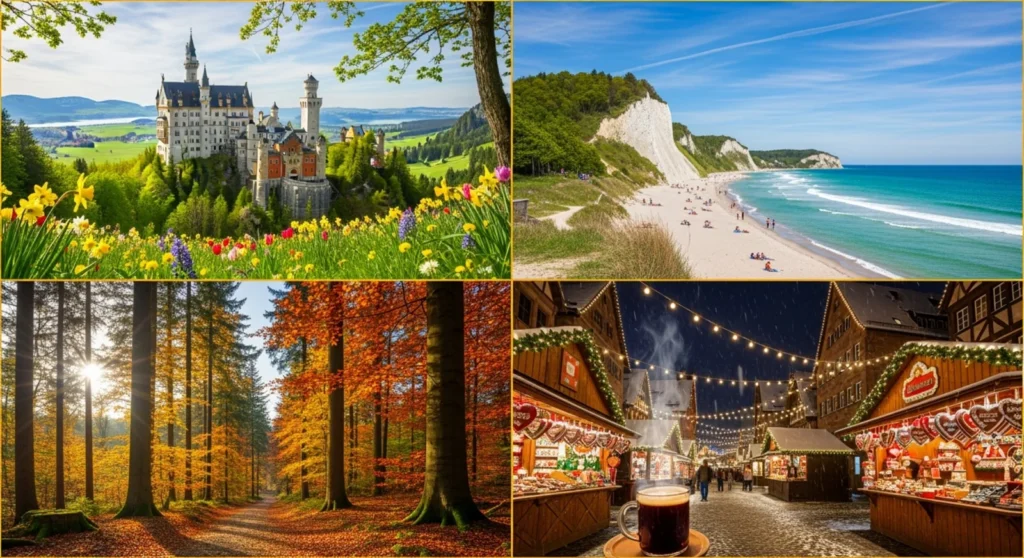
Peak season generally runs from June to August, with an additional spike in late December due to Christmas markets and holidays. During these periods, visitor numbers are highest, prices rise, and popular destinations feel busy.
Shoulder Season in Germany
Shoulder season usually includes April to May and September to October. These months sit between high and low demand, offering moderate crowds, comfortable weather, and better value.
Both seasons have strengths, but they suit different types of travellers.
Peak Season in Germany: What to Expect
Peak season brings Germany at its most lively. Cities, towns, and countryside areas are active and social, with long daylight hours and full calendars of events.
Weather During Peak Season
Summer temperatures are generally warm and comfortable, especially from June to August. Days are long, allowing for extended sightseeing and outdoor dining. Heatwaves can occur, particularly in July and August, though extreme heat is less common than in southern Europe.
Winter peak season in late December is cold, with short daylight hours, but festive lighting and markets create a distinctive atmosphere.
Crowd Levels in Peak Season
Crowds are a defining feature of peak season. Major cities such as Berlin, Munich, and Hamburg attract large numbers of international and domestic visitors. Popular attractions often require advance booking, and public transport feels busy.
Tourist-heavy areas such as Bavaria, the Romantic Road, and Rhine Valley towns also see high foot traffic.
Prices and Availability
Accommodation prices peak in summer, especially in city centres and resort areas. Trains fill quickly, and flexible booking options become limited. Restaurants and tours may require reservations well in advance.
Festivals and Events
Peak season hosts many of Germany’s biggest events. Summer festivals, open-air concerts, and beer gardens operate at full scale. Late December brings famous Christmas markets, especially in cities like Cologne and Nuremberg.
Who Peak Season Suits
Peak season suits travellers who enjoy social energy, festivals, and long daylight hours. It works well for those comfortable with crowds and higher prices, and for travellers with fixed summer holiday schedules.
Shoulder Season in Germany: What to Expect
Shoulder season offers a more relaxed version of Germany without losing character or access.
Weather During Shoulder Season
Spring and autumn bring mild temperatures and comfortable conditions for walking and sightseeing. April and May see cities and countryside come to life after winter, while September and October offer cooler days and crisp evenings.
Rainfall is generally manageable, and extreme weather is rare.
Crowd Levels in Shoulder Season
Crowds drop noticeably outside summer holidays. Popular sights remain accessible, but queues shorten and public spaces feel calmer. Cities feel lived-in rather than overwhelmed by tourism.
This makes it easier to move at your own pace and enjoy details often missed during busier periods.
Prices and Value
Hotels and flights are more affordable in shoulder season. Availability improves, and travellers have more choice in accommodation type and location. Trains are easier to book, and flexible tickets are more common.
Overall value improves without sacrificing quality.
Events and Local Life
Shoulder season still offers strong cultural calendars. Spring festivals, wine events, and autumn harvest celebrations take place across the country. October brings Oktoberfest in Munich, which is an exception, as it creates localised peak conditions.
Outside such events, towns and cities feel balanced and authentic.
Who Shoulder Season Suits
Shoulder season suits travellers seeking comfort, value, and space. It works well for couples, solo travellers, photographers, and anyone who prefers calmer surroundings.
Peak Season vs Shoulder Season: A Direct Comparison
Comparing peak season and shoulder season helps travellers choose the right time to visit Germany based on comfort, budget, and travel style. While both periods have strengths, the overall experience differs in clear and practical ways.
Weather Comparison
Peak season offers the warmest temperatures and the longest daylight hours of the year. These conditions suit outdoor dining, evening walks, and festivals that continue late into the night. Shoulder season brings milder temperatures that many travellers find more comfortable for full sightseeing days. Walking tours, museum visits, and day trips feel easier without summer heat or winter cold.
Crowd Comparison
Peak season brings dense crowds to major cities and popular regions. Attractions often require advance booking, and public transport feels busy, especially in tourist centres. Shoulder season reduces this pressure. Attractions are easier to access, queues are shorter, and trains feel less congested. Travel becomes smoother and more flexible overall.
Cost Comparison
Peak season is the most expensive time to visit Germany. Accommodation prices rise sharply, and transport options fill quickly. Shoulder season consistently delivers better value. Hotels offer more availability, flights are easier to find at reasonable rates, and tours cost less. Travellers often enjoy higher-quality stays for the same budget.
Experience Comparison
Peak season feels lively, social, and festive, with events and street life at full pace. Shoulder season feels calmer and more immersive. Cities and towns reveal everyday rhythms, and travellers can explore without rushing. The choice comes down to whether you value energy and events or ease and space.
Best Regions in Germany by Season
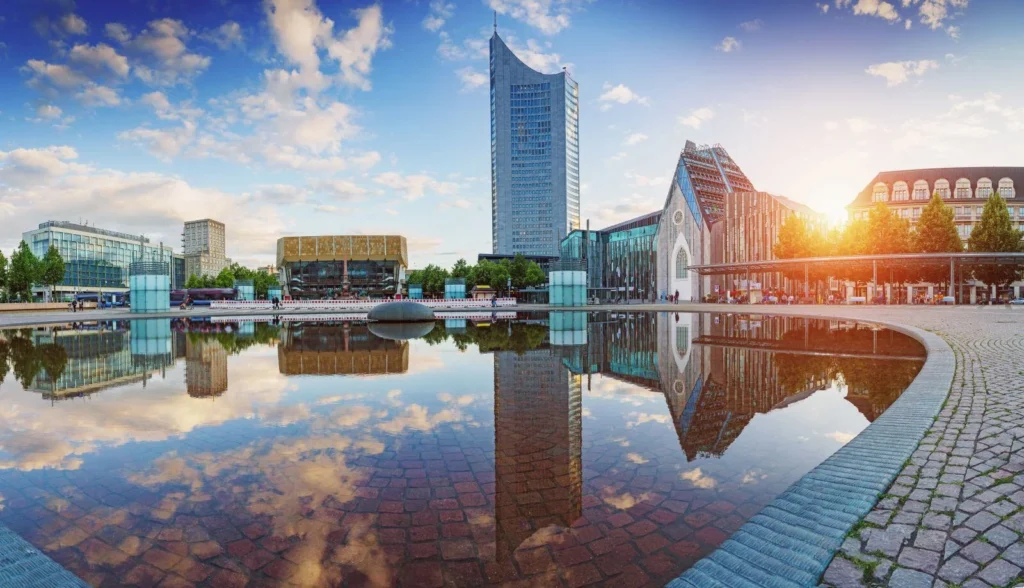
Different regions respond differently to seasonal travel. Choosing the right season for each area improves comfort and enjoyment.
Bavaria
Bavaria becomes busy in summer and during Oktoberfest. Popular towns and alpine areas see heavy visitor numbers during these periods. Shoulder season in May or early October offers scenic landscapes, historic towns, and mountain views without constant crowds. Travel feels more relaxed, and accommodation options are easier to secure.
Berlin
Berlin works year-round, but shoulder season offers the best balance. Summer brings festivals, open-air events, and long evenings, along with heavy tourism. Spring and autumn provide comfortable walking conditions, easier access to museums and landmarks, and a calmer city atmosphere that suits sightseeing.
Rhine Valley
The Rhine Valley shines in late spring and early autumn. Vineyards are active, river cruises operate smoothly, and towns feel welcoming rather than crowded. Outside peak summer, the region feels more scenic and peaceful, which suits slow travel and photography.
Northern Germany
Coastal areas near the North Sea and Baltic Sea reach peak popularity in summer. Shoulder season offers cooler weather, quieter beaches, and a calmer pace. Travellers can enjoy coastal towns and nature walks without the congestion that defines high summer months.
Transport and Travel Ease by Season
Transport in Germany is reliable year-round, but the ease of moving around changes noticeably between peak season and shoulder season. Crowd levels, ticket availability, and flexibility all affect how smooth travel feels once you arrive.
Peak Season Transport Conditions
During peak season, especially from June to August and around late December, Germany’s transport system operates at full capacity. Long-distance trains fill quickly, and seat reservations become important on popular routes. Stations feel busy, luggage space can be limited, and last-minute ticket prices are higher. Popular regional routes to tourist areas often experience standing-room conditions.
Shoulder Season Transport Conditions
Shoulder season brings a clear improvement in travel ease. Trains are less crowded, seat availability is better, and flexible tickets are easier to secure. Travellers can change plans more comfortably without worrying about fully booked services. Regional trains and buses feel calmer, which improves the overall travel experience.
Booking Flexibility and Costs
In peak season, booking transport well in advance is essential to avoid high prices and limited choices. Shoulder season allows more flexibility, with better access to discounted fares and off-peak tickets. Travellers often find it easier to adjust itineraries without added costs during these months.
Urban Transport Experience
City transport systems run efficiently in all seasons, but peak season brings heavier use, especially in major cities. Shoulder season offers a more relaxed experience, with less crowding during rush hours and easier access to trams, buses, and metro services. This makes daily sightseeing smoother and less tiring.
Overall Travel Ease
Shoulder season consistently offers the easiest and most comfortable way to move around Germany. With lighter crowds, better ticket access, and lower stress, travel days feel shorter and more manageable. Peak season remains efficient but demands more planning, patience, and advance booking to avoid disruption.
Accommodation Experience by Season
Accommodation availability and value change noticeably depending on when you visit Germany. Seasonality affects not only price but also choice, location, and overall comfort during your stay.
Peak Season Accommodation
During peak season, demand for accommodation rises sharply, especially in major cities and popular regions. Travellers often have to compromise, either by paying higher prices for central locations or staying farther from key attractions to control costs. Hotels fill quickly, and last-minute options are limited. Short stays can feel expensive, and flexibility is reduced across most booking platforms.
Shoulder Season Accommodation
Shoulder season offers a clear advantage in both availability and value. Central hotels, boutique stays, and well-located guesthouses become easier to book at reasonable rates. Travellers have more choice in neighbourhoods and room types, which improves comfort. Longer stays often attract better nightly rates outside peak demand, making extended trips more affordable and relaxed.
Food, Dining, and Daily Costs
Dining experiences in Germany also shift with the seasons, influencing both atmosphere and daily spending.
Peak Season Dining Experience
In peak season, restaurants in tourist areas can feel rushed, particularly during evenings and weekends. Popular venues may have limited seating, longer wait times, and fixed dining slots. Service remains professional, but the pace is faster, and spontaneous dining becomes harder without reservations. Prices may also rise slightly in high-demand areas.
Shoulder Season Dining Experience
Shoulder season allows a more comfortable and flexible dining experience. Reservations are easier to secure, seating is more available, and service often feels more personal. Travellers can explore local cafés and restaurants without pressure, which adds to overall enjoyment. Dining becomes part of the experience rather than a logistical task.
Daily Cost Predictability
Daily costs for food, local transport, and attractions are generally more predictable outside peak periods. Entrance fees remain stable, and fewer crowds reduce incidental spending. Shoulder season helps travellers manage budgets more easily while maintaining quality across meals, activities, and sightseeing.
Travelling With Families: Peak vs Shoulder Season
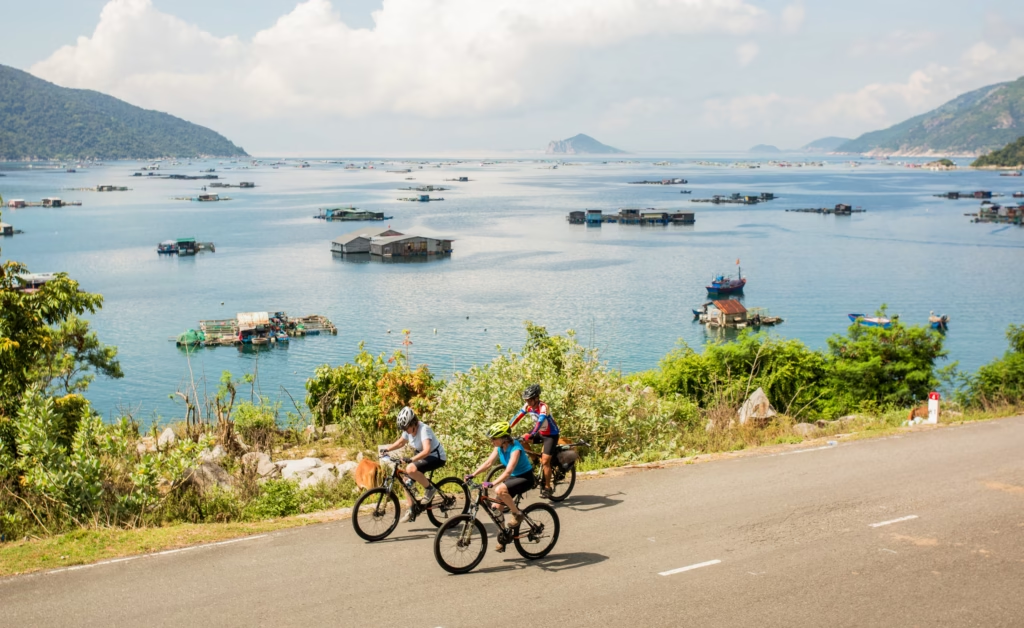
Travelling in Germany with children requires extra planning, and season choice has a strong impact on comfort and cost. Crowd levels, weather, and transport conditions all influence how smoothly family trips unfold.
Family Travel During Peak Season
Families often travel during school holidays, which usually fall in peak season. During these periods, popular attractions are busy, queues are long, and accommodation prices increase. Museums, historic sites, and theme parks can feel crowded, which may be tiring for children. Transport hubs and trains also experience heavier use, making travel days more demanding.
Family Travel During Shoulder Season
Families with flexible schedules benefit greatly from shoulder season. Attractions are easier to access, queues are shorter, and public transport feels calmer. Milder weather supports full sightseeing days without fatigue, and accommodation availability improves. Shoulder season allows families to keep a relaxed pace, making daily plans easier to manage.
Travelling as a Couple: Peak vs Shoulder Season
For couples, choosing between peak and shoulder season shapes the mood of the trip as much as the itinerary. Each season offers a different atmosphere depending on personal preferences.
Couple Travel During Peak Season
Peak season suits couples who enjoy festivals, outdoor events, and lively social scenes. Cities feel energetic, beer gardens are full, and public spaces stay active late into the evening. Couples who enjoy busy environments and shared celebrations often appreciate the vibrant pace of travel during this time.
Couple Travel During Shoulder Season
Couples seeking romance and quiet moments often prefer shoulder season. Cities, scenic towns, and countryside areas feel more intimate without constant activity. Dining is more relaxed, accommodation options are more flexible, and attractions can be enjoyed at a slower pace. Shoulder season supports a calmer, more personal travel experience.
Photography and Sightseeing Considerations
Peak season offers bright light and long days, but crowded scenes. Shoulder season offers softer light, clearer views, and fewer people in photos.
Historic streets, castles, and landscapes feel more personal outside peak months.
Common Mistakes When Choosing Travel Season
- Assuming summer is always best
- Ignoring regional festivals that affect crowds
- Booking peak travel without flexible plans
- Underestimating shoulder season weather quality
How Long to Stay by Season
The ideal length of stay in Germany changes depending on whether you visit during peak season or shoulder season. Crowd levels, costs, and travel pace all influence how much time feels comfortable and worthwhile.
Length of Stay During Peak Season
During peak season, trips often feel more intense due to crowds and higher daily costs. Many travellers choose 7 to 10 days, focusing on a smaller number of cities or regions to avoid constant movement. Shorter stays help manage accommodation expenses, but packed attractions and busy transport can make days feel rushed. Planning fewer destinations usually leads to a better experience.
Length of Stay During Shoulder Season
Shoulder season allows for longer and more relaxed trips. A stay of 10 to 14 days works well, as lower prices and lighter crowds make extended travel more affordable. Trains are easier to book, accommodation offers better rates for longer stays, and sightseeing feels less tiring. Travellers can explore multiple regions without pressure.
Flexible Travel Advantage
Shoulder season also supports flexibility. Travellers can add rest days, make spontaneous changes, or stay longer in places they enjoy without worrying about availability or rising costs. This flexibility often leads to a deeper and more enjoyable experience across Germany.
Must Read:
- Best Time to Visit Maui Without Crowds or High Prices
- Best Time to Visit Brazil for Families and Couples
- Map of Hawaiian Islands for Tourists and Travel Planning
Final Thoughts:
The best time to visit Germany depends on what you value most. Peak season offers energy, festivals, and long summer days, but it comes with higher prices and heavy crowds. Shoulder season offers balance, comfort, and value while keeping weather and access on your side.
For many travellers, shoulder season provides the most rewarding experience. Germany feels open, authentic, and easy to explore without constant pressure. With thoughtful timing, the country reveals its cities, landscapes, and culture in a way that feels both rich and relaxed.