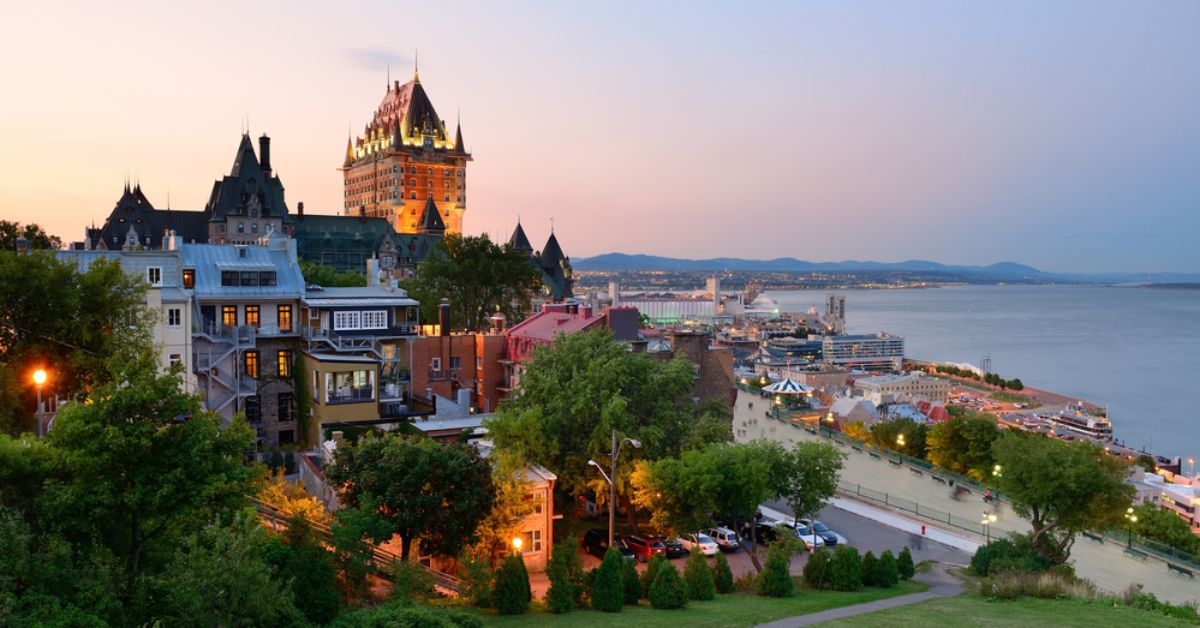
Choosing the best time to visit Quebec can feel confusing for first-time travellers. Winter and summer offer two completely different experiences, almost like visiting two separate destinations. One season is defined by snow, ice, festivals, and cosy indoor culture. The other is shaped by outdoor cafés, festivals, long daylight hours, and easy travel conditions. Understanding how winter and summer compare helps travellers choose the season that fits their comfort level, budget, and travel goals.
This guide explains winter vs summer travel in Quebec in clear, practical terms. It focuses on weather, costs, crowds, activities, transport, and overall comfort. Whether you want snowy charm or warm-weather freedom, this comparison helps you decide the best time to visit Quebec with confidence.
Understanding Quebec’s Climate Before Choosing a Season
Quebec has a true four-season climate, but winter and summer stand at opposite extremes. Temperatures, daylight hours, and daily routines change dramatically between these seasons.
Winter lasts from December through March, sometimes stretching into early April. Snowfall is heavy, temperatures drop well below freezing, and daily life adapts around winter conditions. Summer runs from June through early September, bringing warm weather, greenery, and long daylight hours.
For travellers, this contrast defines the entire experience. The best time to visit Quebec depends less on temperature preferences and more on how much seasonal change you are comfortable handling.
Visiting Quebec in Winter: What to Expect
Winter is one of the most iconic times to visit Quebec. Snow transforms cities and landscapes into postcard scenes, especially in historic areas.
Winter Weather Conditions
Temperatures regularly fall between -10°C and -20°C, with colder days possible. Snow covers streets, rooftops, and parks. Wind chill can make conditions feel harsher, especially for those unfamiliar with cold climates.
Despite this, winter weather in Quebec is well managed. Snow removal is efficient, and cities remain functional. Proper clothing is essential, but once prepared, travellers often find winter easier than expected.
Why Winter Is Appealing to Travellers
Winter offers an atmosphere that feels unique to Quebec. The province embraces cold weather rather than avoiding it.
1. Snowy Scenery
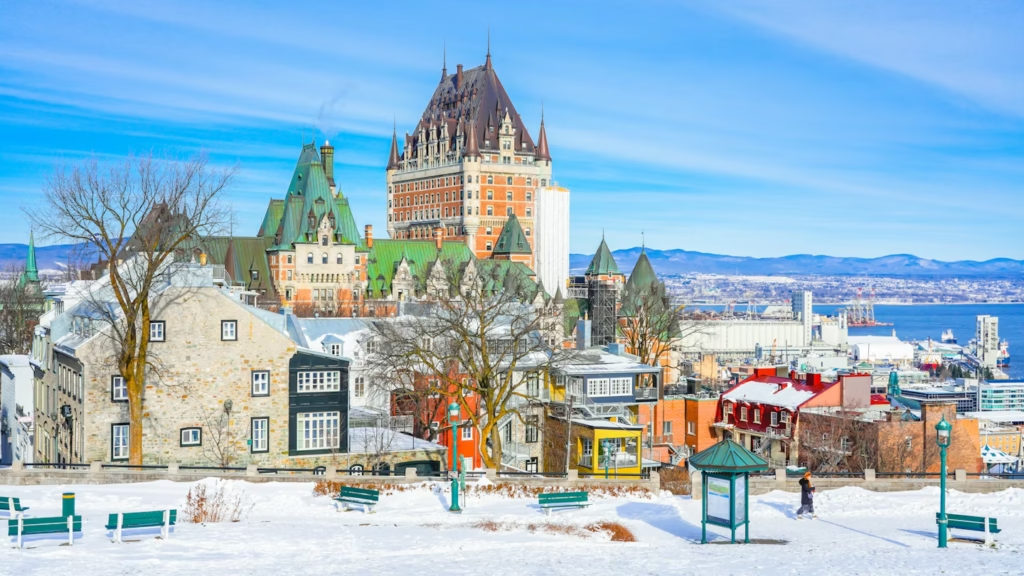
Historic streets, old stone buildings, and frozen rivers create dramatic views. Winter photography is especially rewarding.
2. Seasonal Culture
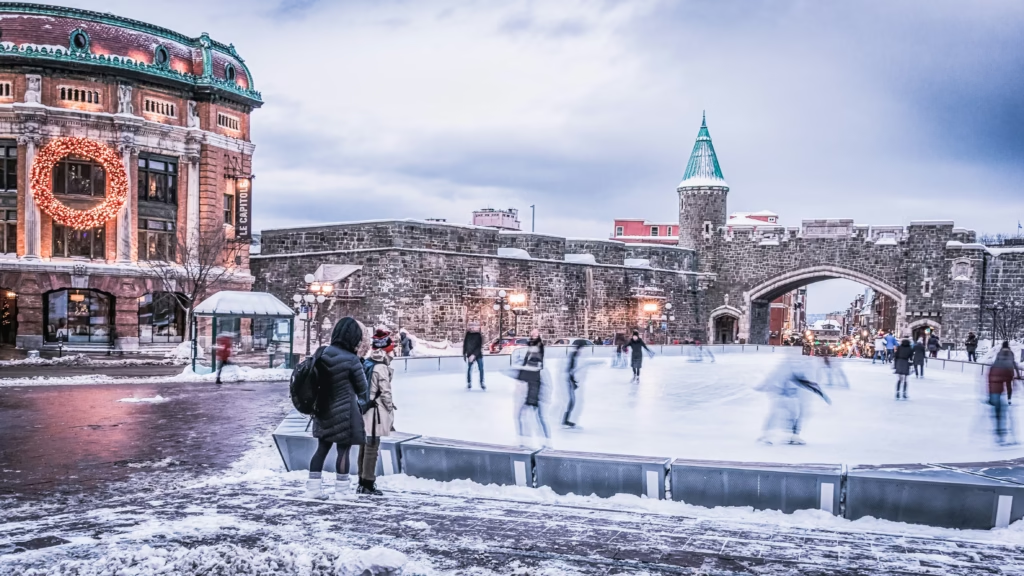
Winter festivals, ice skating, snowshoeing, and traditional food experiences feel authentic and deeply rooted in local culture.
3. Indoor Comfort
Cafés, museums, restaurants, and hotels are designed for warmth and comfort. After outdoor activities, indoor spaces feel especially inviting.
For travellers seeking a memorable, distinctive trip, winter can be the best time to visit Quebec.
Challenges of Winter Travel in Quebec
Winter is not for everyone, and understanding the challenges upfront helps avoid disappointment. Cold, shorter days, and travel adjustments shape the experience. Travellers who arrive prepared usually enjoy winter far more than those who underestimate seasonal demands.
1. Cold Temperatures
Extended time outdoors requires proper winter gear. Insulated boots, a warm coat, gloves, and layered clothing are essential. Without them, sightseeing quickly becomes uncomfortable. Cold air can feel intense for travellers not used to winter climates, especially when wind chill is involved. Preparation makes the difference between enjoying winter scenery and rushing indoors.
2. Shorter Days
Daylight hours are noticeably shorter in winter, which limits outdoor sightseeing time. Planning becomes more important, with activities best scheduled earlier in the day. Museums, cafés, and indoor attractions help balance shorter daylight, but travellers should expect a slower, more structured daily pace.
3. Travel Adjustments
Driving requires confidence in winter conditions, including snow-covered roads and icy surfaces. Public transport remains reliable, but flights can occasionally face delays during snowstorms. Flexibility and buffer time help reduce stress. Winter suits travellers willing to adapt plans rather than rush between activities.
Costs and Value in Winter in Quebec
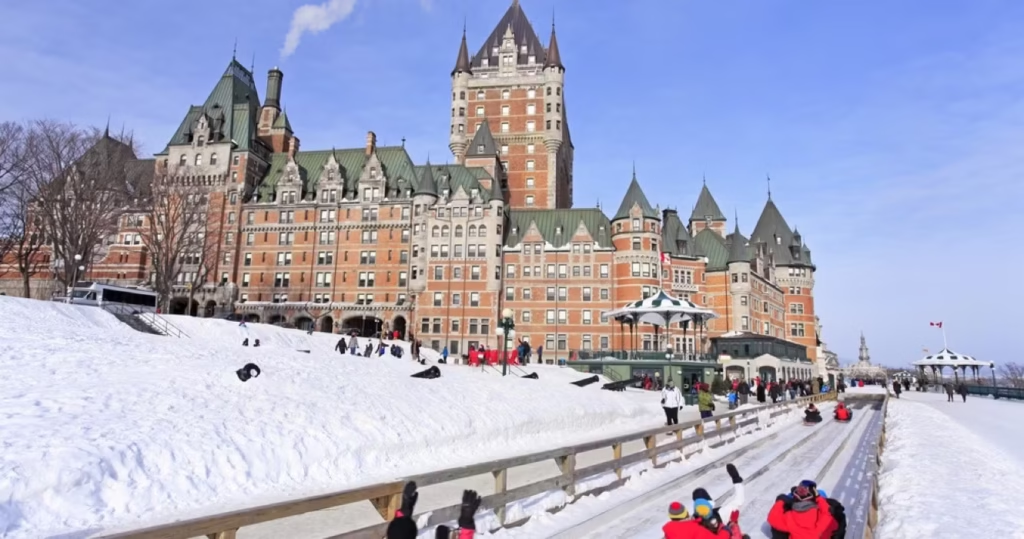
Winter often delivers better value than summer, making it attractive for budget-conscious travellers. Outside peak holiday and festival weeks, prices drop across accommodation and transport, while experiences remain rich and distinctive.
1. Accommodation
Hotels are more affordable during winter, especially in January and February. Discounts and package deals are common, and availability is rarely an issue. Travellers can often stay in central areas for far less than summer rates, improving overall trip value.
2. Flights
Airfare is generally cheaper during winter, excluding Christmas and New Year periods. Fewer tourists mean better deals and more flexible booking options, particularly for midweek travel.
3. Activities
Many winter activities are free or low-cost. Walking historic districts, enjoying winter scenery, and outdoor skating require little spending. For travellers watching costs, winter can be the best time to visit Quebec.
Winter Festivals and Events in Quebec
Winter culture plays a major role in the Quebec experience, turning cold weather into a celebration rather than a limitation. Festivals add energy, colour, and local character to winter travel.
1. Winter Carnivals
Major winter festivals showcase ice sculptures, music, traditional food, and outdoor celebrations. These events attract visitors but remain more manageable than summer festivals. Streets feel lively without overwhelming congestion, making them enjoyable even for first-time visitors.
2. Holiday Season
December brings festive markets, lights, and seasonal decorations, especially in historic areas. The atmosphere feels warm and welcoming despite the cold. While demand increases during this period, the cultural experience often feels worth the added cost.
Festivals enhance winter travel but can raise prices during specific weeks, so booking ahead is recommended.
Visiting Quebec in Summer: What to Expect in Quebec
Summer presents a completely different side of Quebec compared to winter. Streets come alive with activity, outdoor spaces fill with locals and visitors, and travel feels easier overall. For many first-time travellers, summer feels familiar, comfortable, and straightforward, especially when it comes to moving around and planning daily activities.
Summer Weather Conditions
Summer temperatures typically range between 20°C and 28°C, creating comfortable conditions for sightseeing and outdoor activities. Days are long, with daylight stretching well into the evening, which allows more flexibility for exploring. Humidity varies but is usually manageable. Summer weather supports relaxed travel without the need for specialised clothing or heavy preparation.
Why Summer Is Popular with Travellers
Summer is the most accessible season for most visitors. Conditions are predictable, services run at full capacity, and nearly everything is open. This combination makes summer appealing, especially for travellers visiting Quebec for the first time.
1. Comfortable Sightseeing
Walking tours feel effortless in summer. Historic streets, waterfront areas, and neighbourhoods are easy to explore on foot. Outdoor dining becomes part of daily life, and riverfront strolls feel relaxed rather than rushed by weather constraints.
2. Festivals and Events
Quebec hosts a wide range of music, food, and cultural festivals during summer. These events add energy to cities and towns, offering visitors a lively atmosphere and frequent entertainment options throughout the season.
3. Nature Access
Hiking trails, cycling routes, lakes, and national parks are fully accessible in summer. Road conditions are reliable, and day trips are easy to plan. Nature-focused travellers benefit greatly from summer’s open access.
For first-time travellers, summer often feels like the safest and easiest choice due to comfort and simplicity.
Challenges of Summer Travel in Quebec
Despite its appeal, summer travel comes with clear drawbacks. Popularity brings pressure on prices, space, and availability, especially during peak months.
1. Higher Costs
Accommodation prices peak in July and August, particularly in popular cities and tourist regions. Flights also cost more during school holidays and major festival periods, increasing overall trip expenses.
2. Crowds
Historic areas, festivals, and major attractions become busy. Streets feel congested during peak hours, and popular restaurants and tours often require advance reservations. Some travellers find this overwhelming.
3. Limited Availability
Hotels, guided tours, and rental cars sell out quickly during peak summer weeks. Last-minute planning becomes difficult, making early booking essential for a smooth trip.
Summer offers comfort and energy but demands careful planning.
Costs and Value in Summer in Quebec
Summer is the least budget-friendly season in Quebec. While the experience is enjoyable, value depends heavily on timing and preparation.
1. Accommodation
Prices rise sharply during festivals and school holidays. Central locations and historic areas command premium rates, especially in July and August.
2. Dining
Restaurants are busy throughout the season. While food quality remains high, popular venues may require reservations, and prices can increase slightly due to demand.
3. Transport
Car rentals and flights cost more in summer because of high demand. Availability can also be limited during peak travel weeks.
Summer value improves with early booking, flexible travel dates, and avoiding peak weekends whenever possible.
Crowd Levels: Winter vs Summer in Quebec
Crowd levels differ dramatically between winter and summer, and this directly affects how relaxed or busy your trip feels. Choosing the right season can make sightseeing either calm and immersive or lively and crowded.
1. Winter Crowds
Crowds are generally low during winter, except around major festivals and public holidays. Attractions feel calmer, streets are easier to navigate, and walking through historic areas feels unhurried. This quieter pace suits travellers who dislike congestion and prefer a more peaceful atmosphere.
2. Summer Crowds
Summer brings high visitor numbers, especially in July and August. Popular areas can feel congested from morning to evening, and festivals add to the density. Travellers sensitive to crowds may find peak summer overwhelming and often prefer winter or shoulder months instead.
Sightseeing Comfort by Season
Comfort plays a major role in deciding the best time to visit Quebec, especially for travellers planning long days of exploration.
1. Winter Sightseeing
Walking is slower due to snow and icy conditions, but streets feel magical and atmospheric. Indoor attractions such as museums, cafés, and galleries balance outdoor exploration well. Sightseeing feels more structured, with frequent indoor breaks.
2. Summer Sightseeing
Summer offers easy, flexible sightseeing. Walking requires less effort, daylight hours are longer, and you can explore for extended periods without fatigue. First-time travellers often find summer more comfortable, while repeat visitors may enjoy winter’s unique charm.
Food and Dining Experience by Season
Quebec’s food culture stays strong year-round, but the dining atmosphere changes noticeably between seasons.
1. Winter Dining
Winter dining focuses on cosy interiors, traditional dishes, and warm drinks. Restaurants feel intimate and relaxed, making meals an important part of the daily experience after cold outdoor activities.
2. Summer Dining
Summer brings outdoor terraces, lively streets, and seasonal menus. Dining feels energetic and social, with longer evenings encouraging slow meals outside. While the mood shifts, food quality remains consistently high in both seasons.
Transportation and Getting Around in Quebec
Season plays a major role in how easy it is to move around Quebec. Transport options remain reliable year-round, but comfort and flexibility vary depending on weather and road conditions.
1. Winter Transport
Public transport runs reliably even during heavy snowfall, making buses and trains a dependable option. Driving requires confidence with snow and icy roads, especially outside cities. Walking demands extra care due to slippery surfaces, and sturdy footwear becomes essential. Winter travel rewards slower pacing and thoughtful route planning.
2. Summer Transport
Summer makes mobility straightforward. Walking and cycling feel easy, roads are clear, and driving conditions are predictable. Day trips to nearby towns, parks, and countryside areas are simpler to plan and execute. Travellers considering road trips often find summer the most convenient season.
Best Time to Visit Quebec for First-Time Travellers
For first-time travellers, comfort, simplicity, and predictability matter more than seasonal extremes. Choosing the right timing can ease planning and reduce stress.
1. Best First-Time Choice
Late June, early September, or early December offer a strong balance between weather conditions and manageable crowd levels. These periods avoid peak congestion while still providing good access and comfortable travel conditions.
2. Winter First-Time Travel
Winter works well for travellers prepared for cold weather and interested in culture, festivals, and seasonal atmosphere. With proper clothing and flexible expectations, winter can feel rewarding, distinctive, and memorable.
3. Summer First-Time Travel
Summer suits travellers who prefer simple logistics, outdoor exploration, and minimal weather-related adjustments. It is often the easiest option for newcomers unfamiliar with colder climates.
Best Time to Visit Quebec on a Budget
Budget-conscious travellers benefit most from avoiding peak travel periods and major festivals. Timing has a direct impact on accommodation and transport costs.
1. Best Budget Months
January, February, and March consistently offer lower prices. Accommodation discounts are common, flights are cheaper, and attractions feel less crowded. These months provide strong value for travellers comfortable with winter conditions.
2. Budget Summer Windows
Early June and late August offer better value than mid-summer. Prices are lower, crowds thin slightly, and access remains excellent. These windows suit travellers seeking summer comfort without peak-season costs.
Overall, winter delivers the strongest savings, especially outside holiday weeks.
Best Time for Outdoor Activities in Quebec
Outdoor activities vary dramatically by season, making timing essential for travellers with specific interests.
1. Winter Activities
Winter focuses on snow-based experiences such as snowshoeing, skiing, ice skating, and winter festivals. These activities define Quebec’s cold-season identity and appeal to travellers seeking something unique.
2. Summer Activities
Summer prioritises hiking, cycling, kayaking, sightseeing, and exploring national parks. Trails and outdoor attractions are fully accessible, making summer ideal for nature-focused itineraries.
Choosing the best time to visit Quebec works best when aligned with preferred activities rather than temperature alone.
Month-by-Month Seasonal Snapshot for Quebec
This seasonal snapshot gives a clear overview of how winter and summer shape the Quebec experience. Rather than focusing on individual months, it highlights what travellers can realistically expect during the main travel seasons.
1. Winter (December to March)
Winter is cold and snowy, but highly atmospheric. Historic streets feel dramatic, cultural life shifts indoors, and seasonal festivals add warmth and character. Travel costs are generally lower, especially outside holidays. This season suits travellers who enjoy winter scenery, cultural depth, and strong value, even if it means slower sightseeing and colder conditions.
2. Summer (June to August)
Summer is warm, lively, and easy to navigate. Outdoor dining, festivals, and nature access define the experience. However, it is also the most expensive and crowded period. Accommodation prices peak, and popular areas stay busy throughout the day. Summer suits travellers who prioritise comfort, long days, and outdoor exploration.
Shoulder months in spring and autumn offer a compromise, but they lack the strong character that defines Quebec’s peak seasons.
Winter vs Summer: Which Season Is Better?
There is no single answer that fits everyone. The best time to visit Quebec depends on personal priorities rather than climate alone.
Winter suits travellers who value atmosphere, cultural experiences, and better value over physical comfort. Summer suits those who want ease, outdoor freedom, and social energy without weather-related challenges.
Whether you prefer a cosy, snow-covered setting or a vibrant, sun-filled city, Quebec delivers a rewarding experience in both seasons when expectations match reality.
Must Read:
- Best Time to Visit Cartagena for First-Time Travellers
- Best Time to Visit Mt Rainier for Budget-Friendly Travel
- Best Time to Visit the Redwoods for Weather, Trails, and Views
Final Thoughts:
Quebec is one of the rare destinations where winter is not a drawback but a defining feature. Winter offers character, savings, and cultural depth. Summer delivers accessibility, festivals, and outdoor freedom. Both seasons are rewarding in different ways.
For travellers seeking simplicity and warmth, summer is the natural choice. For those seeking uniqueness and value, winter may be the best time to visit Quebec. By understanding how winter and summer differ, you can choose the season that turns your trip into exactly the experience you want.