
- Compare multiple island ferry routes
- Flexible schedules across Greek islands
- High speed and conventional options
- Easy booking for island hopping
If you are planning a trip to Greece, one question quickly rises to the top: how do you book Greek ferry routes for the islands without stress, confusion, or overpaying? With hundreds of islands scattered across the Aegean and Ionian seas, ferries are not just transport. They are part of the experience.
From iconic whitewashed towns to quiet fishing villages, the Greek islands offer something for every traveller. But ferry schedules, seasonal changes, port variations, and ticket categories can feel overwhelming at first glance. Booking the right route at the right time makes a real difference to your trip.
This complete guide explains how to book Greek ferry routes for the islands step by step. You will learn which ports to use, how to compare ticket types, when to book, how much to budget, and which islands connect easily. Whether you are planning a simple return trip or a multi island adventure, this guide will help you book with confidence.
Why Ferries Are Essential For Greek Island Travel?
Flights connect some islands, but ferries remain the backbone of island travel in Greece.
Key Reasons Travellers Choose Ferries
- Wider destination coverage
- Flexible island hopping
- Scenic sea journeys
- More affordable than flights
- Easier luggage policies
Many smaller islands do not have airports, making ferries the only realistic option. Even when flights exist, ferries often provide more daily departures and lower prices.
When you book Greek ferry routes for the islands, you gain access to routes that airlines simply do not cover. Ferry travel also allows spontaneous changes if you want to extend your stay somewhere beautiful.
Main Departure Ports in Greece
Before booking, it is important to know where ferries depart from.
Athens Area Ports
Most travellers start from the capital, Athens. However, Athens has multiple ports:
- Piraeus, the largest and busiest
- Rafina, closer to the airport
- Lavrio, smaller and less crowded
Each port serves different island groups.
Regional Departure Ports
Outside Athens, other key ports include:
- Thessaloniki
- Heraklion
- Patras
Choosing the correct port is crucial when you book Greek ferry routes for the islands, especially if you are coordinating airport transfers.
Popular Greek Island Groups and Ferry Routes
Greece is divided into several island clusters. Each group has different ferry connections.
Cyclades Islands
Includes:
- Mykonos
- Santorini
- Paros
- Naxos
Routes from Athens Piraeus and Rafina frequently serve this group.
Dodecanese Islands
Includes:
- Rhodes
- Kos
These islands are farther from Athens and may require longer ferry journeys.
Ionian Islands
Located west of mainland Greece:
- Corfu
- Zakynthos
These routes often depart from western mainland ports rather than Athens.
When you book Greek ferry routes for the islands, knowing which island group you are targeting helps avoid routing mistakes.
Types of Greek Ferries
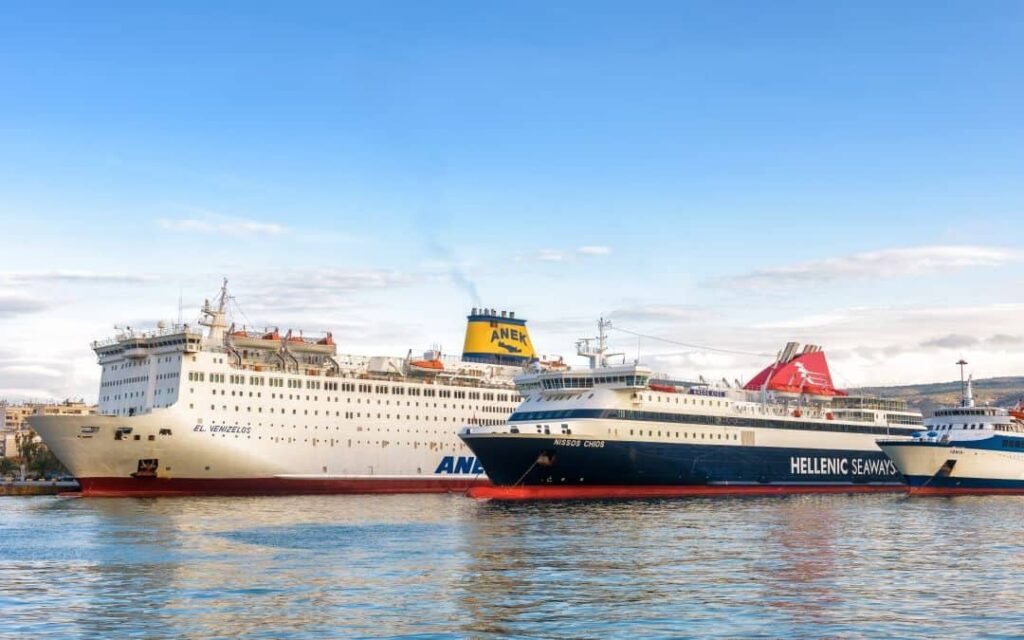
Not all ferries are the same. The vessel type affects travel time and comfort.
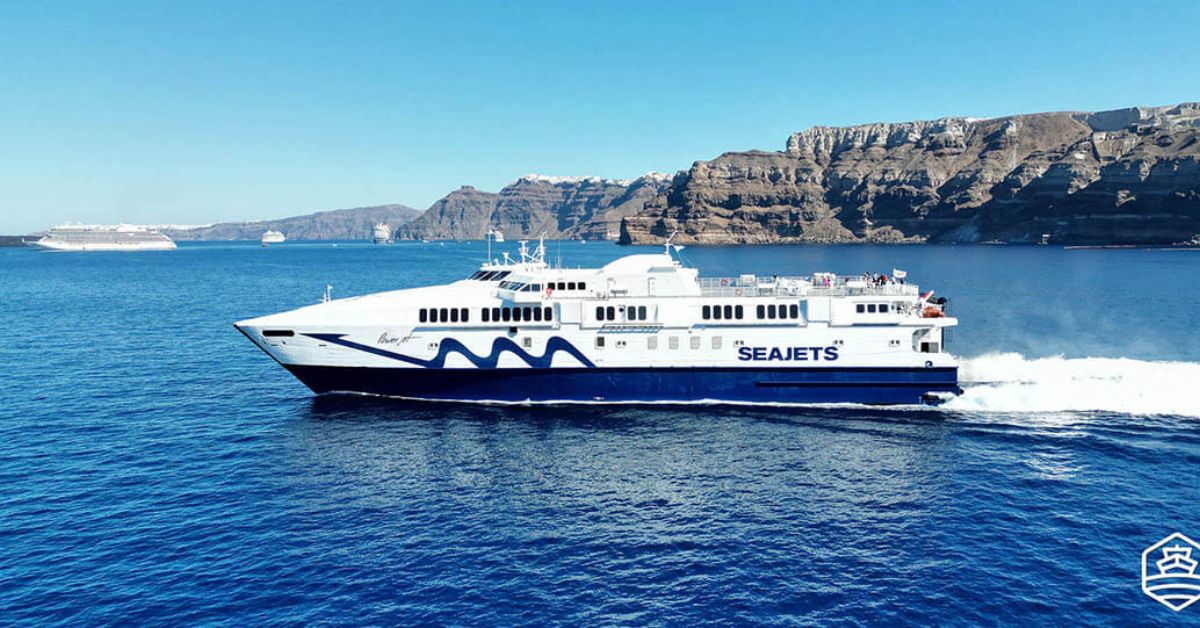
High Speed Ferries
- Faster travel times
- Higher ticket prices
- More sensitive to rough seas
Conventional Ferries
- Slower but steadier
- Often cheaper
- Larger outdoor decks
When you book Greek ferry routes for the islands, compare duration versus cost. A high speed ferry might cut two hours off your journey, but it may also double the price.
Ticket Categories Explained
Ferry tickets come in several classes.
Common Ticket Types
- Deck or economy seating
- Assigned airline style seats
- Business or VIP seating
- Private cabins
- Vehicle transport tickets
If travelling overnight or with children, cabins may be worth the extra cost. For short routes under two hours, deck seating is often sufficient.
Selecting the right ticket category is an important part of how you book Greek ferry routes for the islands efficiently.
How to Book Greek Ferry Routes For The Islands?
Booking ferries in Greece is straightforward once you know the order of steps. Whether you use a booking platform or go directly to a ferry company website, the process follows the same structure. Below is a detailed breakdown to help you book Greek ferry routes for the islands with clarity and confidence.
1. Choose Your Departure and Arrival Ports
Start by confirming exactly where you are leaving from and which island you want to reach. In Athens alone, ferries depart from different ports such as Piraeus, Rafina, and Lavrio. Each port serves different island groups.
Before booking, double check:
- Which port is closest to your accommodation or airport
- Which port serves your target island
- Whether transport to the port is easy on your travel day
Selecting the correct ports is the foundation when you book Greek ferry routes for the islands.
2. Select Travel Dates
Enter your departure date and, if needed, your return date. Ferry schedules vary by season. During summer, there are frequent daily departures. In spring or autumn, options may be more limited.
If your travel plans are flexible, check alternative dates. Sometimes leaving one day earlier or later gives you better times or lower prices.
3. Compare Available Operators
Once you search your route, you will see multiple ferry companies if the route is popular. Compare them carefully by reviewing:
- Departure and arrival times
- Total travel duration
- Ferry type
- Base ticket price
Comparing operators allows you to balance speed, comfort, and budget when you book Greek ferry routes for the islands.
4. Check Ferry Type and Duration
Greek ferries are generally divided into high speed and conventional vessels.
High speed ferries are faster but usually more expensive. Conventional ferries take longer but may offer outdoor decks and a smoother ride in windy conditions.
If you are travelling long distances, duration matters. A two hour difference can affect hotel check in times and island transfers.
5. Select Ticket Category
After choosing a ferry, select your seating option. Common choices include:
- Deck or economy seating
- Assigned numbered seats
- Business class seating
- Private cabins for overnight routes
- Vehicle transport if bringing a car or motorbike
For short journeys under three hours, economy seating is often enough. For longer or overnight journeys, upgrading may improve comfort.
6. Enter Passenger Details
You will need to enter each passenger’s full name exactly as shown on official identification. Some routes may require passport or ID numbers.
Take your time during this step. Incorrect details can create boarding issues. Accuracy is essential when you book Greek ferry routes for the islands.
7. Confirm Fare Conditions
Before payment, review the ticket rules carefully. Check:
- Cancellation policy
- Change fees
- Refund eligibility
- Boarding requirements
Not all tickets are refundable. Reading these conditions protects you from unexpected charges if your plans change.
8. Complete Secure Payment
After confirming details, proceed to payment. Most ferry websites and booking platforms accept major credit and debit cards. Some also accept digital wallets.
Review the total price carefully. Ensure it includes:
- Ticket cost
- Service fees if applicable
- Any vehicle or cabin charges
Only complete payment once everything matches your intended route and dates.
9. Receive Electronic Ticket or Confirmation
After payment, you will receive a confirmation email. Depending on the ferry operator, you may:
- Receive an electronic ticket ready for boarding
- Receive a booking code to exchange at the port
Keep your confirmation email saved and accessible. Many ports accept digital tickets on your phone, but having a backup copy can be helpful.
Whether you choose a booking platform for easy comparison or book directly with the ferry company, both methods work effectively. The key is to follow each step carefully. When you book Greek ferry routes for the islands with attention to detail, your journey starts smoothly before you even step on board.
When Is the Best Time to Book?

Timing plays a major role when you plan to book Greek ferry routes for the islands. Demand changes throughout the year, and your booking strategy should adjust accordingly. Some months require early planning, while others allow more flexibility.
High Season
High season runs from June to September. This is when Greece experiences its largest influx of international visitors. Islands such as Mykonos and Santorini are especially busy.
During this period:
- Popular morning departures sell out quickly
- High speed ferries fill up first
- Cabin availability becomes limited
- Vehicle spaces may be fully booked
If you are travelling in peak summer, it is wise to book Greek ferry routes for the islands at least two to four weeks in advance. For multi island trips or weekend departures, booking even earlier offers better peace of mind.
Shoulder Season
April to May and October are considered shoulder months. Weather remains pleasant, crowds are smaller, and ferry services operate at moderate frequency.
In this period:
- Availability is generally good
- Prices may be slightly lower
- Ports are less crowded
- Accommodation options are easier to secure
You can often book Greek ferry routes for the islands one to two weeks in advance during shoulder season without major risk of sellouts.
Low Season
Winter months from November to March see reduced ferry schedules. Some smaller islands have limited weekly departures.
During low season:
- Fewer daily sailings operate
- Weather conditions may affect schedules
- Last minute bookings are usually possible
- Some tourist focused routes may pause entirely
If you are travelling in winter, check ferry schedules carefully before finalising accommodation. While tickets are rarely sold out, route frequency becomes the main factor.
Choosing the right time to book Greek ferry routes for the islands ensures smoother travel, better departure options, and fewer last minute surprises.
Estimated Ferry Travel Times
Travel times vary by distance and ferry type.
| Route | High Speed Ferry | Conventional Ferry |
|---|---|---|
| Athens to Mykonos | 2 to 3 hours | 4 to 5 hours |
| Athens to Santorini | 4 to 5 hours | 7 to 8 hours |
| Athens to Paros | 3 hours | 4 hours |
| Heraklion to Santorini | 2 hours | 3 to 4 hours |
When you book Greek ferry routes for the islands, checking duration prevents unrealistic scheduling between islands.
Budgeting for Greek Ferry Travel
Prices depend on distance, speed, and ticket type.
Average One Way Prices
- Short routes: 20 to 40 euros
- Medium routes: 40 to 70 euros
- Long routes: 60 to 100 euros
High speed ferries cost more than conventional ferries. Cabins increase total cost.
If travelling between several islands, calculate total ferry expenses before confirming accommodation dates.
Tips to Make Island Hopping Easier
Planning multiple islands requires organisation.
Practical Tips
- Avoid booking very tight connections
- Allow buffer time between ferry arrivals and hotel check in
- Keep digital and printed tickets
- Arrive at port at least 30 minutes early
- Confirm departure port location
When you book Greek ferry routes for the islands with careful timing, your trip feels smooth rather than rushed.
Common Mistakes to Avoid
Even experienced travellers make errors.
- Confusing similar port names
- Booking wrong travel dates
- Ignoring ticket conditions
- Choosing high speed ferry in rough weather season
- Not checking baggage limits
Careful review before payment prevents unnecessary stress.
Must Read:
- Ferryhopper Reviews: Is It Safe and Worth Booking?
- Ferry Tickets Online | Find the Best Ferryhopper Deals
Final Thoughts:
To book Greek ferry routes for the islands successfully, preparation and clarity matter more than anything else. Once you know your departure port, island group, ferry type, and preferred schedule, the booking process becomes straightforward.
Ferry travel across Greece is more than transportation. It connects you to sunsets over Santorini, beach clubs in Mykonos, medieval streets in Rhodes, and turquoise coves in Paros. Choosing the right ferry route shapes your itinerary and enhances your experience.
Plan early for peak season, compare ticket types carefully, and allow flexibility between connections. With thoughtful planning, booking Greek ferry routes for the islands becomes simple, efficient, and rewarding.
FAQs:
1. How far in advance should I book Greek ferry tickets?
For summer travel, book at least two to four weeks in advance for popular islands.
2. Are Greek ferries safe?
Yes, Greek ferries operate under European maritime safety regulations.
3. Can I take luggage on Greek ferries?
Yes, most ferries allow generous luggage without strict weight limits.
4. Do Greek ferries run every day?
During peak season many routes operate daily, but schedules reduce in winter.
5. Can I bring a car on the ferry?
Yes, many ferries allow vehicle transport with advance booking.
6. Are electronic tickets accepted?
Most ferry operators now accept digital tickets displayed on smartphones.
- Direct connections between major islands
- Scenic sea journeys with comfort
- Multiple daily departures in summer
- Convenient ports near Athens airport