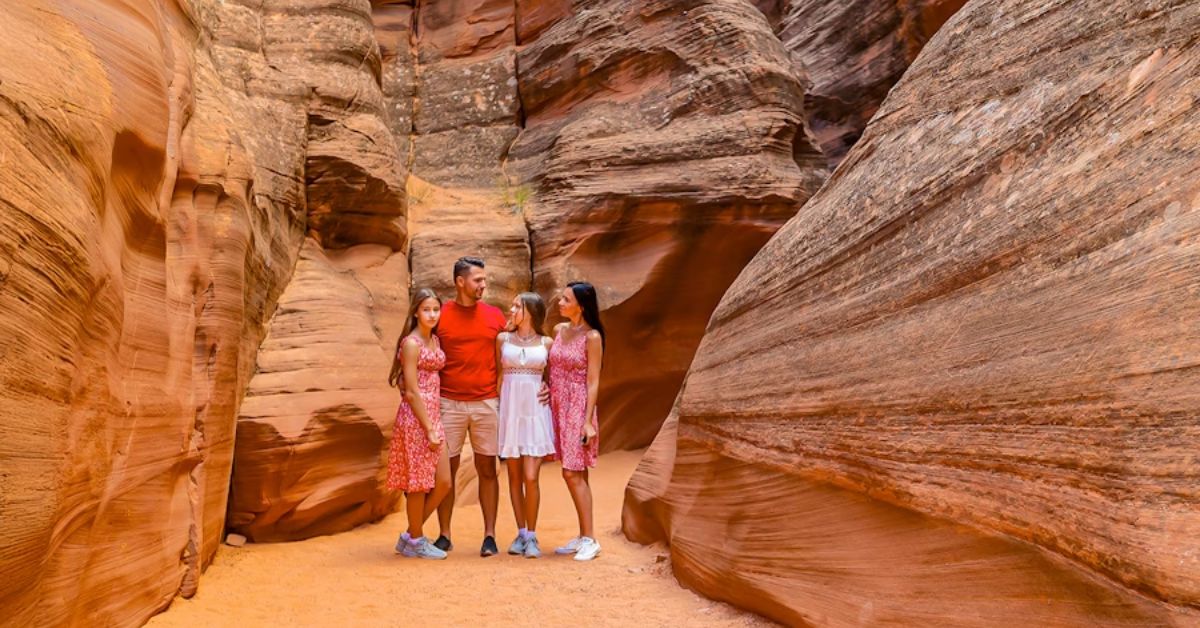

- Iconic sculpted sandstone slot canyon
- Dramatic light beams photography destination
- Navajo guided cultural canyon experience
- World famous desert natural landmark
Visiting Antelope Canyon is one of the most visually striking experiences in the American Southwest. Known for sculpted sandstone walls and natural light beams, the canyon attracts travellers, photographers, and nature lovers from around the world.
Access is strictly controlled by the Navajo Nation, meaning visitors must join authorised guided tours. Understanding tour types, ticket availability, and activity options helps ensure a smooth, well-planned, and memorable visit.
Antelope Canyon Tours Overview
Antelope Canyon is located near Page, Arizona, on Navajo land and is divided into multiple sections, each offering a unique experience. Guided tours are mandatory for all visitors, and independent entry is not permitted.
Navajo guides lead groups through the canyon, sharing cultural insights and safety guidance. Due to limited daily capacity and high global demand, selecting the right tour and booking early plays a crucial role in securing preferred dates and time slots.
Why Antelope Canyon Tours Require Advance Booking
Antelope Canyon tours operate under strict Navajo Nation regulations that limit group sizes and daily visitor numbers. Only licensed Navajo tour operators are allowed to guide visitors inside the canyon.
During peak seasons, especially when light beams are visible, tickets sell out weeks in advance. Booking early ensures access, preferred timing, and peace of mind, particularly for travellers coordinating long-distance travel or photography-focused visits.
Types of Antelope Canyon Tours Explained
Antelope Canyon is divided into three primary tour areas, each offering a different atmosphere, difficulty level, and visual experience.
1. Upper Antelope Canyon Tours
Upper Antelope Canyon is the most famous and widely photographed section. It features a flat, sandy floor, making it accessible for most visitors. This section is renowned for its dramatic midday light beams, which occur mainly between late spring and early autumn. Because of its popularity and easier access, Upper Antelope Canyon tours are usually more expensive and sell out the fastest, especially during peak seasons.
2. Lower Antelope Canyon Tours
Lower Antelope Canyon offers a more adventurous experience with staircases, ladders, and narrower passages. While physically more demanding than the Upper Canyon, it rewards visitors with stunning rock formations and shifting light patterns throughout the day. Tours here are often slightly less crowded and more affordable. This option suits visitors who enjoy moderate physical activity and want a dynamic exploration experience.
3. Antelope Canyon X Tours
Antelope Canyon X is a quieter alternative located slightly away from the main canyon sections. It offers similar sandstone formations and fewer crowds at a lower price point. While light beams are less dramatic, the experience feels calmer and more spacious. Canyon X tours are ideal for visitors seeking value, relaxed pacing, and a less congested environment without sacrificing scenic beauty.
Antelope Canyon Tour Prices
Antelope Canyon tour prices vary depending on the section visited, time of day, and tour type. Upper Antelope Canyon tours are generally the most expensive due to demand and accessibility. Lower Antelope Canyon tours are moderately priced, while Canyon X tours are often the most affordable. All prices typically include Navajo permit fees. Photography tours cost more due to extended time, smaller groups, and fewer restrictions.
Best Time of Day to Visit Antelope Canyon
The time of day you visit Antelope Canyon strongly influences lighting conditions, crowd levels, temperature, and tour pace. Morning, midday, and afternoon tours each create a different atmosphere inside the canyon. Some visitors prioritise comfort and space, while others focus on iconic light beams. Understanding how each time window performs helps travellers choose tours that align with sightseeing goals, photography expectations, and physical comfort throughout the guided experience.
1. Morning Tours
Morning tours offer cooler temperatures and generally lighter crowds, particularly during warmer months. Early hours allow groups to move more freely through narrow canyon sections without congestion. Lighting is softer and more diffused, highlighting sandstone textures and colour gradients rather than dramatic beams. These conditions suit visitors prioritising comfort, relaxed movement, and educational commentary. Morning tours are ideal for families, older travellers, and those seeking an unhurried, visually balanced experience.
2. Midday Tours
Midday tours are the most popular option, especially in Upper Antelope Canyon, when vertical light beams appear during clear days. These tours attract photographers from around the world and sell out quickly. Crowds are heavier, and pacing is more structured to manage demand. Despite congestion, the visual impact is at its peak, with intense light shafts, glowing walls, and striking contrasts that define Antelope Canyon’s iconic imagery.
3. Afternoon Tours
Afternoon tours provide warmer tones and softer shadows as sunlight angles lower in the sky. Crowds begin to thin compared to midday peaks, creating a calmer atmosphere. Lighting becomes less intense but more evenly spread, enhancing depth and texture within the canyon walls. This time suits visitors who prefer fewer people, smoother pacing, and gentler visual conditions rather than chasing dramatic light beams during the busiest hours.
Best Time of Year to Visit Antelope Canyon
Seasonal timing plays a major role in shaping weather conditions, crowd density, and photographic opportunities at Antelope Canyon. The canyon looks beautiful year-round, but visitor experience varies depending on temperature, daylight hours, and tour demand. Choosing the right season helps travellers manage expectations, secure tickets more easily, and plan appropriately for heat, cold, or peak tourist pressure during guided canyon visits.
1. Peak Season (March to October)
Peak season runs from March through October and offers the best chances to see light beams, particularly between late spring and early autumn. Weather is generally clear, but crowds are heavy and tours sell out far in advance. Summer temperatures can be intense, requiring hydration and sun protection. Advance booking is essential during this period to secure preferred time slots and avoid disappointment.
2. Shoulder Season (April, May, September)
Shoulder season months provide an excellent balance between favourable lighting and manageable crowd levels. Temperatures are more comfortable than midsummer, and tour availability improves. Many travellers consider this the best overall time to visit, especially first-time visitors seeking both visual impact and reasonable pacing. Light beams are still visible, but congestion is reduced compared to peak summer travel months.
3. Winter Visits (November to February)
Winter visits are quieter, with fewer tourists and easier ticket availability. Light beams are rare due to lower sun angles, but canyon colours remain rich and visually striking. Temperatures are cooler, and daylight hours are shorter, requiring careful planning. Winter tours suit visitors prioritising solitude, flexible scheduling, and calmer experiences over iconic beam photography, provided they prepare for colder conditions.
Antelope Canyon Photography Tours
Photography tours are designed specifically for serious photographers who require more time, freedom, and equipment access inside Antelope Canyon. These specialised tours differ significantly from standard sightseeing tours and operate under stricter rules. Understanding how photography tours work helps visitors decide whether the higher cost and limited availability align with their creative goals and technical requirements.
1. What Makes Photography Tours Different
Photography tours allow visitors to bring professional cameras and tripods, which are not permitted on standard tours. Groups are smaller, stops are longer, and guides position participants strategically for optimal compositions. Movement is slower, allowing careful framing and exposure adjustments. These tours focus less on narration and more on visual opportunity, making them ideal for photographers seeking controlled conditions rather than casual snapshots.
2. Best Times for Photography Tours
Midday photography tours are the most desirable due to vertical light beams, but they sell out fastest and cost more. Morning and afternoon photography tours offer softer, more artistic lighting with fewer crowds. Photographers should choose timing based on creative style rather than popularity. Clear weather is essential, as clouds eliminate beam effects. Advance booking is critical due to extremely limited photography tour availability.
3. Cost and Booking Considerations
Photography tours are significantly more expensive than standard tours due to smaller group sizes, longer duration, and specialised access. They also require early arrival, strict adherence to rules, and physical readiness. Visitors should book well in advance and review cancellation policies carefully. For serious photographers, the investment often proves worthwhile, while casual visitors may find standard tours sufficient.
What to Expect on an Antelope Canyon Tour
Knowing what happens during a typical Antelope Canyon tour helps visitors prepare mentally and physically. Tours follow a structured process designed to ensure safety, efficiency, and preservation of the canyon. Understanding check-in procedures, pacing, and guide interaction allows visitors to relax and focus on enjoying the experience rather than worrying about logistics or unexpected restrictions.
1. Check-In and Safety Briefing
Visitors are required to check in early at the tour operator’s location before departure. Guides conduct a safety briefing covering flash flood risks, canyon rules, and behavioural expectations. Identification may be checked, and late arrivals are often not accommodated. This process ensures group safety and smooth coordination. Arriving early reduces stress and allows visitors to begin the tour calmly and prepared.
2. Guided Walking Experience
Tours proceed at a steady walking pace through narrow canyon passages, with stops for photos and explanations. Group sizes are controlled, and guides manage spacing between tours. Visitors should expect occasional waiting as other groups pass. Guides share insights about geology, light patterns, and Navajo culture, enhancing understanding while ensuring visitors remain safe and respectful throughout the canyon.
3. Group Size and Duration
Most Antelope Canyon tours last between sixty and ninety minutes, depending on canyon section and crowd levels. Groups are limited in size but still move efficiently to accommodate demand. Visitors should remain attentive to guide instructions and time limits. While the pace is controlled, the experience is immersive, offering ample opportunities to observe, photograph, and appreciate the canyon’s natural beauty.
Antelope Canyon Tour Rules and Restrictions
Visiting Antelope Canyon requires strict adherence to rules designed to protect the canyon and ensure visitor safety. These regulations are enforced by Navajo guides and apply to all tour participants without exception. Understanding restrictions before arrival helps visitors avoid delays, denied entry, or disappointment. Respecting these rules preserves the canyon’s fragile environment while allowing future generations to experience its natural beauty safely and responsibly.
Prohibited Items and Equipment
Large bags, backpacks, tripods, drones, and selfie sticks are not allowed on standard Antelope Canyon tours. These items can obstruct movement in narrow passages and damage fragile sandstone walls. Photography equipment is restricted unless on approved photography tours. Visitors should travel light and follow guide instructions carefully. Compliance ensures smooth tour flow, protects the canyon’s structure, and maintains safety for all participants.
Behaviour and Preservation Rules
Touching canyon walls, climbing surfaces, or leaving designated paths is strictly prohibited. Oils from hands can damage sandstone formations, and climbing increases erosion risk. Guides monitor behaviour closely and may remove visitors who ignore instructions. Quiet, respectful conduct is encouraged to maintain a calm environment. Following preservation rules helps protect Antelope Canyon’s natural formations and honours Navajo stewardship of this sacred landscape.
Safety and Enforcement
Rules are enforced consistently for safety reasons, including flash flood preparedness and crowd control. Guides may halt tours or redirect movement when conditions require. Visitors must follow instructions immediately during emergencies or congestion. Failure to comply can result in removal without refund. Understanding enforcement seriousness ensures visitors approach the experience responsibly, prepared to prioritise safety and preservation throughout the tour.
How to Book Antelope Canyon Tours Online
Booking Antelope Canyon tours online is the only reliable way to secure entry, as walk-in access is not permitted. High demand and limited daily capacity mean tickets often sell out weeks in advance. Knowing where and how to book prevents scams and ensures valid access. Choosing authorised sellers, understanding ticket formats, and preparing for check-in requirements helps visitors plan confidently and avoid booking-related issues.
Navajo-Authorised Tour Operators
Only Navajo-authorised tour operators are permitted to sell official Antelope Canyon tours. Booking directly through these operators guarantees valid entry, accurate tour details, and compliance with Navajo Nation regulations. Official operators provide clear instructions, safety guidance, and legitimate permits. Visitors should always confirm authorisation before purchase to avoid invalid tickets and ensure their tour contributes directly to local Navajo communities.
Trusted Third-Party Platforms
Trusted third-party platforms offer booking convenience and sometimes bundled travel options. However, they may charge additional service fees and still rely on authorised operators for access. Visitors must verify that the platform partners with licensed Navajo guides. Checking reviews and confirmation details helps avoid fraudulent listings. Comparing prices between official operators and third-party platforms ensures visitors balance convenience, cost, and reliability.
Mobile Tickets and Check-In
Most Antelope Canyon operators accept mobile tickets, making entry faster and more convenient. Visitors must present valid identification matching the booking name and arrive early for check-in. Late arrivals are often not accommodated due to tight scheduling. Saving tickets offline and arriving ahead of time helps prevent entry issues caused by connectivity problems or last-minute delays.
Antelope Canyon Tours for First-Time Visitors
First-time visitors benefit from choosing the right canyon section and understanding tour conditions before booking. Antelope Canyon tours vary in difficulty, lighting, and crowd levels. Selecting the most suitable option reduces physical strain and enhances enjoyment. Awareness of terrain, timing, and expectations helps first-time visitors avoid disappointment and experience the canyon comfortably, especially when unfamiliar with slot canyon environments.
Best Canyon Choice for Beginners
Upper Antelope Canyon is generally recommended for first-time visitors due to its flat terrain and wider pathways. It requires no climbing or ladders, making movement easier and safer. The iconic light beams and accessibility make it the most popular choice. First-time visitors seeking a straightforward experience with minimal physical demands often find Upper Canyon the most comfortable introduction.
Timing and Expectations
First-time visitors should consider morning or shoulder-season tours to avoid heavy crowds. Midday tours offer dramatic light beams but involve tighter pacing. Understanding these differences helps manage expectations. Booking early and choosing appropriate times ensures visitors enjoy the canyon without feeling rushed or overwhelmed by congestion or environmental challenges.
Avoiding First-Time Mistakes
Common mistakes include booking late, choosing physically demanding routes, and ignoring rule restrictions. First-time visitors should read tour descriptions carefully, confirm physical requirements, and plan arrival times accurately. Avoiding assumptions helps ensure a smooth, enjoyable experience without surprises that could limit enjoyment or access.
Antelope Canyon Tours for Families and Kids
Families are welcome on Antelope Canyon tours, but choosing the right section and timing is essential. Slot canyons involve narrow spaces, sand, and guided movement that may challenge younger children. Understanding suitability, supervision needs, and terrain difficulty helps families plan responsibly and enjoy the experience together without unnecessary stress or safety concerns.
Family-Friendly Canyon Options
Upper Antelope Canyon is the most family-friendly option due to its flat, sandy floor and absence of ladders. It allows easier movement for children and parents alike. Lower Antelope Canyon may be difficult for young children because of steep stairs and narrow passages. Families typically prefer Upper Canyon for comfort and safety.
Supervision and Safety
Children must remain under close supervision at all times. Narrow passages and uneven footing require careful guidance. Parents should hold younger children’s hands and follow guide instructions closely. Safety briefings are important for families, helping children understand boundaries and behaviour expectations during the tour.
Best Time for Family Visits
Morning tours are ideal for families, offering cooler temperatures and lighter crowds. Children tend to be calmer earlier in the day, making movement easier. Avoiding peak midday congestion improves comfort and reduces waiting time for families with younger children.
Accessibility and Physical Requirements
Antelope Canyon tours vary in physical difficulty, making it important to understand accessibility before booking. While some sections are suitable for most visitors, others require climbing and moderate fitness. Evaluating physical requirements in advance helps visitors choose appropriate tours and avoid discomfort or denied entry due to mobility limitations.
Upper Canyon Accessibility
Upper Antelope Canyon is the most accessible section, featuring a flat, sandy path without stairs or ladders. It is suitable for visitors with limited mobility, though wheelchairs are generally not accommodated due to sand and narrow spaces. This section is the best choice for visitors seeking minimal physical exertion.
Lower Canyon Physical Demands
Lower Antelope Canyon requires moderate physical fitness. Visitors must navigate ladders, stairs, and uneven surfaces. The route is more adventurous but may not suit those with mobility issues, knee problems, or fear of confined spaces. Honest self-assessment helps prevent safety risks.
Fitness and Comfort Considerations
All visitors should be able to walk unassisted for the tour duration. Proper footwear and hydration are essential. Visitors with medical concerns should consult tour operators in advance. Choosing the correct canyon section ensures a safe and enjoyable experience without physical strain.
What to Wear and Bring
Proper clothing and preparation significantly improve comfort during Antelope Canyon tours. Sandy terrain, narrow passages, and desert temperatures require practical choices. Understanding what to wear and what to leave behind helps visitors move safely, comply with rules, and enjoy the experience without distractions caused by discomfort or restricted items.
Clothing Recommendations
Wear comfortable, breathable clothing suitable for desert conditions. Dark or neutral colours photograph well against sandstone. Avoid loose accessories that may snag or reflect light. Layering is helpful during cooler months. Proper clothing allows ease of movement and comfort throughout the guided walk.
Footwear and Protection
Closed-toe shoes with good grip are essential due to sand and uneven surfaces. Avoid sandals or slippery soles. During warmer months, sun protection such as hats and sunscreen is recommended before entering the canyon. Proper footwear reduces slipping risk and fatigue.
What Not to Bring
Large bags, backpacks, and prohibited items are not allowed. Carry only essentials such as identification and phone. Leaving unnecessary belongings behind speeds up check-in and ensures compliance with tour rules.
How Long to Spend at Antelope Canyon

Understanding tour duration helps visitors plan travel schedules and nearby activities. Antelope Canyon tours are carefully timed to manage crowds and safety. Knowing how long the experience lasts allows visitors to coordinate transportation, meals, and additional sightseeing without feeling rushed or overbooked.
Average Tour Duration
Most Antelope Canyon tours last between sixty and ninety minutes, depending on the canyon section and crowd conditions. This includes walking, photography stops, and guide explanations. Visitors should plan additional time for check-in and transportation to and from the tour site.
Combining Nearby Attractions
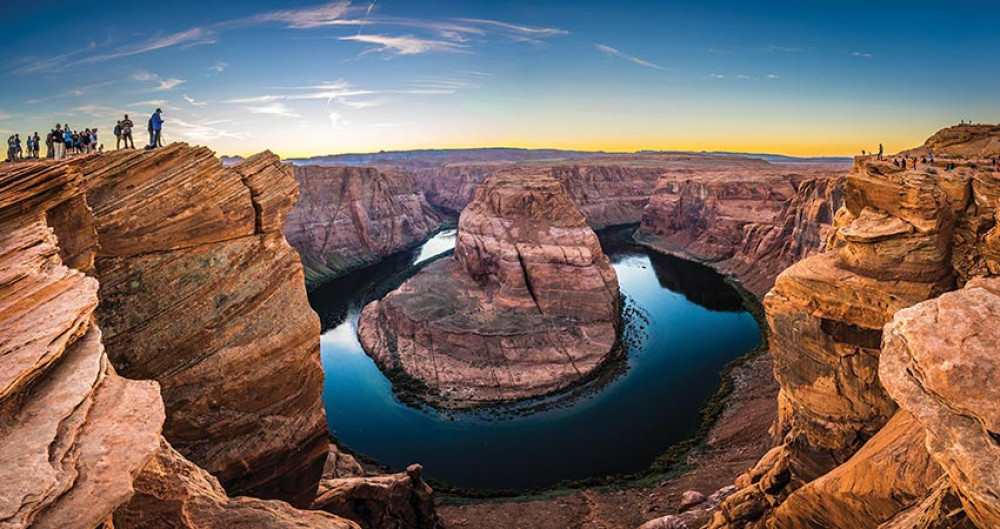
Many visitors pair Antelope Canyon tours with nearby attractions such as Horseshoe Bend. Allowing buffer time between activities ensures flexibility. Planning half a day for the canyon experience and surrounding sights is recommended.
Time Management Tips
Arrive early, follow guide pacing, and avoid scheduling tight commitments afterward. This approach ensures a relaxed experience without stress caused by delays or unexpected changes.
Antelope Canyon Tours vs Other Slot Canyons
Antelope Canyon is often compared with nearby slot canyons, but it offers unique features that set it apart. Understanding these differences helps visitors decide whether Antelope Canyon aligns with their interests or if alternative locations may suit them better.
Unique Light Beam Phenomenon
Antelope Canyon is famous for its vertical light beams, a feature not commonly seen in nearby slot canyons. These beams create dramatic visual effects that attract photographers worldwide. This phenomenon significantly contributes to the canyon’s popularity and higher tour prices.
Accessibility and Guided Experience
Unlike many slot canyons, Antelope Canyon is relatively accessible and guided by knowledgeable Navajo experts. The guided format enhances safety, cultural understanding, and preservation, offering a more structured experience than self-guided alternatives.
Cultural Significance
Antelope Canyon holds cultural and spiritual importance for the Navajo people. Guided tours include cultural context, making the experience educational as well as scenic. This aspect distinguishes Antelope Canyon from purely recreational slot canyon hikes.
Common Mistakes to Avoid When Booking Antelope Canyon Tours
Many visitors make avoidable mistakes that reduce comfort, limit access, or cause disappointment when booking Antelope Canyon tours. High demand, strict rules, and physical requirements make planning essential. Understanding common errors before booking helps travellers choose suitable tours, secure preferred times, and arrive prepared. Avoiding these mistakes ensures smoother entry, better pacing, and a more enjoyable experience inside one of the world’s most famous slot canyons.
Waiting Too Long to Book
Antelope Canyon tours sell out quickly, especially during peak months and popular midday slots. Waiting too long often leaves only inconvenient times or no availability at all. Many visitors underestimate demand and assume last-minute booking is possible. Early booking is essential to secure preferred canyon sections and time slots. Planning ahead also allows travellers to align tours with travel schedules and avoid disappointment caused by limited remaining options.
Choosing the Wrong Canyon Section
Selecting a canyon section without understanding physical demands can negatively affect the experience. Lower Antelope Canyon requires climbing ladders and navigating narrow passages, which may be difficult for some visitors. Choosing this option without proper awareness can lead to discomfort or denied entry. Reading tour descriptions carefully and assessing fitness levels helps visitors select the canyon that best matches their abilities and comfort expectations.
Ignoring Rules and Requirements
Overlooking tour rules often leads to denied access or delays. Commonly missed requirements include no-bag policies, arrival time rules, and equipment restrictions. Visitors who arrive late or bring prohibited items may not be allowed to join the tour. Reviewing requirements before arrival helps avoid unnecessary problems, ensures compliance, and supports a smooth check-in process under strict Navajo Nation regulations.
Is Antelope Canyon Worth the Tour Price
Many travellers question whether Antelope Canyon tours justify their cost, especially compared to other natural attractions. Understanding what the experience offers helps visitors assess value realistically. Tour pricing reflects limited access, guided expertise, and cultural stewardship. For most visitors, the combination of visual impact, guided learning, and controlled preservation creates a meaningful experience that goes beyond standard sightseeing and supports long-term protection of the canyon.
Natural Beauty and Rarity
Antelope Canyon’s sculpted sandstone walls, flowing curves, and shifting light patterns are unlike any other location. The canyon’s natural formations create dramatic visual effects that change throughout the day and seasons. Few places in the world offer such consistent photographic and aesthetic appeal within a compact space. This rarity contributes significantly to the canyon’s value and explains why many visitors consider the experience truly special.
Guided Expertise
Navajo guides play a vital role in the Antelope Canyon experience. They ensure safety, manage crowds, and share cultural, historical, and geological knowledge. Guides also assist with photography by positioning visitors at optimal angles. This guided element adds depth and meaning beyond visual beauty alone, transforming the tour into an educational and culturally respectful experience rather than a simple walk through a scenic location.
Visitor Satisfaction
Most visitors report high satisfaction after touring Antelope Canyon, often describing it as a highlight of their trip. The combination of natural beauty, organised access, and knowledgeable guides creates a memorable experience. While pricing may seem high initially, many travellers feel the overall value is justified once they experience the canyon’s atmosphere, colours, and carefully managed environment firsthand.
Final Planning Checklist for Antelope Canyon Tours
A final review before visiting Antelope Canyon helps ensure everything runs smoothly on the day of the tour. Careful preparation reduces stress, prevents entry issues, and allows visitors to focus fully on the experience. This checklist helps travellers confirm essential details, prepare for environmental conditions, and follow required guidelines so the visit remains enjoyable, respectful, and well organised from arrival through departure.
Ticket and Timing Confirmation
Confirm booking details, tour date, and exact arrival time at least one day before your visit. Review the meeting location and allow buffer time for travel and parking. Tickets are time-sensitive, and late arrivals are rarely accommodated. Having confirmation easily accessible helps ensure a smooth check-in process and avoids last-minute confusion or missed entry due to scheduling errors.
Weather and Clothing Check
Check weather forecasts and dress accordingly for desert conditions. Prepare for heat, cold, wind, or sand depending on the season. Wear closed shoes with good grip and comfortable clothing suitable for walking. Proper preparation improves comfort and safety, especially in narrow canyon spaces where temperature changes and sandy surfaces can affect footing and overall experience.
Rule Compliance
Review all tour rules carefully before arrival, including restrictions on bags, equipment, and behaviour. Arrive early, follow guide instructions, and respect preservation guidelines at all times. Compliance ensures safety, protects the canyon’s fragile environment, and prevents removal from the tour. Respecting rules also supports Navajo stewardship and helps maintain access for future visitors.
Must Read:
- Summit One Vanderbilt Tickets: Book Tours & Activities
- CN Tower Tickets Online: Book Tours & Activities
- Edinburgh Castle Tickets: Book Tours & Activities
Final Words:
Visiting Antelope Canyon is a carefully managed experience that rewards thoughtful planning. By booking early, choosing the right canyon section, and understanding timing, rules, and physical requirements, visitors can avoid common frustrations.
The canyon’s rare beauty, guided expertise, and cultural significance make the effort worthwhile. With realistic expectations and proper preparation, Antelope Canyon delivers a memorable, visually powerful journey that most travellers consider one of the highlights of their trip.