Iceland is a country that feels alive. Glaciers move slowly across valleys. Volcanoes sit quietly beneath layers of moss. Waterfalls roar through deep canyons. The landscapes shift with the seasons, and that is exactly why choosing the Best Time to Travel to Iceland matters so much. Your experience in this country will look completely different depending on when you visit.
The Best Time to Travel to Iceland is not the same for everyone. Some travellers dream of seeing the Northern Lights shimmer across the sky. Others want endless daylight for road trips under the midnight sun. Many visitors want dramatic hiking trails, glacier walks, wildlife encounters, or peaceful off-season exploration. Iceland offers all of it, but timing changes everything.
In this detailed guide, you will learn how each season shapes the country. You will also explore the top 10 adventure destinations and understand how the Best Time to Travel to Iceland connects directly with each experience.
Why the Best Time to Travel to Iceland Depends on Your Goals?
When people ask about the Best Time to Travel to Iceland, they often expect one simple answer. But Iceland does not work like that. It transforms from month to month.
Daylight hours change dramatically. In June, the sun barely sets. In December, daylight may last only four hours. Road conditions shift as snow arrives and melts. Wildlife patterns vary. Certain areas, especially the highlands, are only accessible in summer.
So instead of asking for one universal Best Time to Travel to Iceland, it is smarter to match your travel goals with the season that supports them.
Winter Travel in Iceland
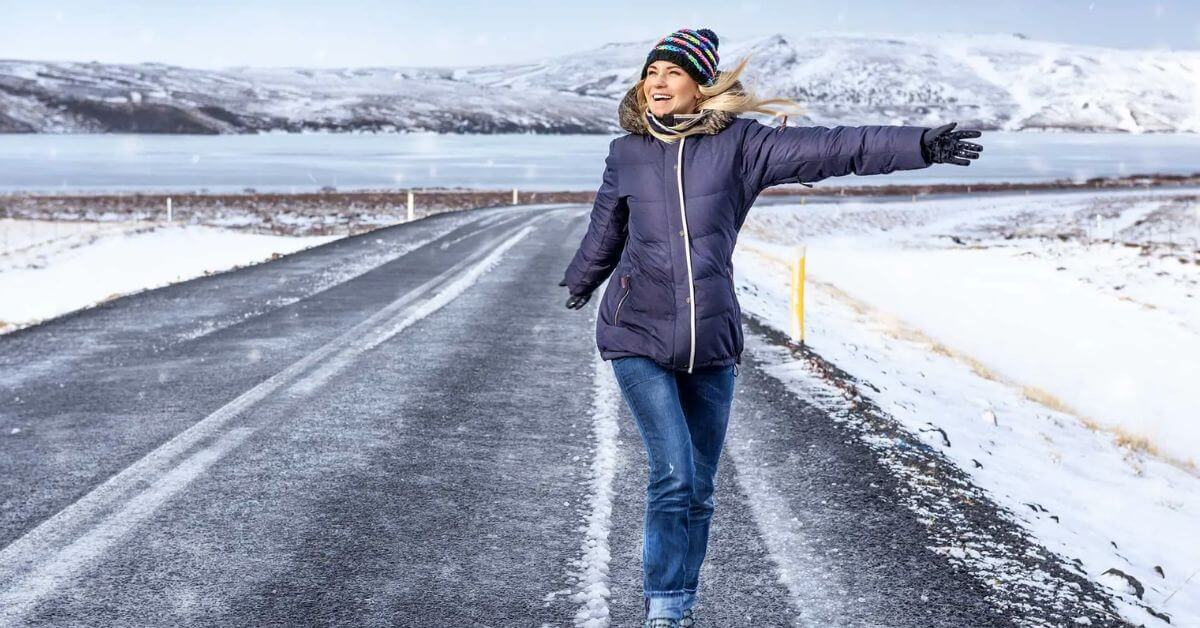
Winter runs from November through March. For many travellers, this is the most magical season and possibly the Best Time to Travel to Iceland if you want dramatic scenery.
Winter Weather and Conditions
Temperatures usually range from -5°C to 5°C. Snow covers mountains and lava fields. Strong winds are common. Road conditions can change quickly, so flexibility is important.
Daylight is limited. In December, you may only get four to five hours of light. That may sound challenging, but the low sun creates beautiful soft photography light.
Why Winter Can Be the Best Time to Travel to Iceland
Winter is the prime season for Northern Lights. It is also the only time natural ice caves are safe to explore. Frozen waterfalls look incredible, and tourist numbers are lower outside of holiday weeks.
Winter Pros and Cons
Pros:
- Northern Lights visibility
- Ice cave access
- Fewer crowds
- Snow-covered landscapes
Cons:
- Short daylight hours
- Road closures possible
- Driving can be challenging
If your dream includes aurora and ice caves, winter may truly be the Best Time to Travel to Iceland.
Spring Travel in Iceland
Spring stretches from April to May and is often overlooked. However, it can quietly be the Best Time to Travel to Iceland for travellers seeking balance.
Spring Weather and Atmosphere
Snow begins melting. Rivers swell with glacial runoff. Daylight increases rapidly. Temperatures range from 0°C to 10°C.
Weather remains unpredictable, but crowds are lighter compared to summer.
Why Spring Might Be the Best Time to Travel to Iceland
Accommodation and flights are generally cheaper than in peak season. Popular attractions feel less crowded. You can enjoy waterfalls at full strength due to melting snow.
Spring Pros and Cons
Pros:
- Lower prices
- Growing daylight
- Fewer tourists
- Strong waterfall flow
Cons:
- Mixed weather conditions
- Some highland roads still closed
For travellers focused on value and quieter experiences, spring can be the Best Time to Travel to Iceland.
Summer Travel in Iceland
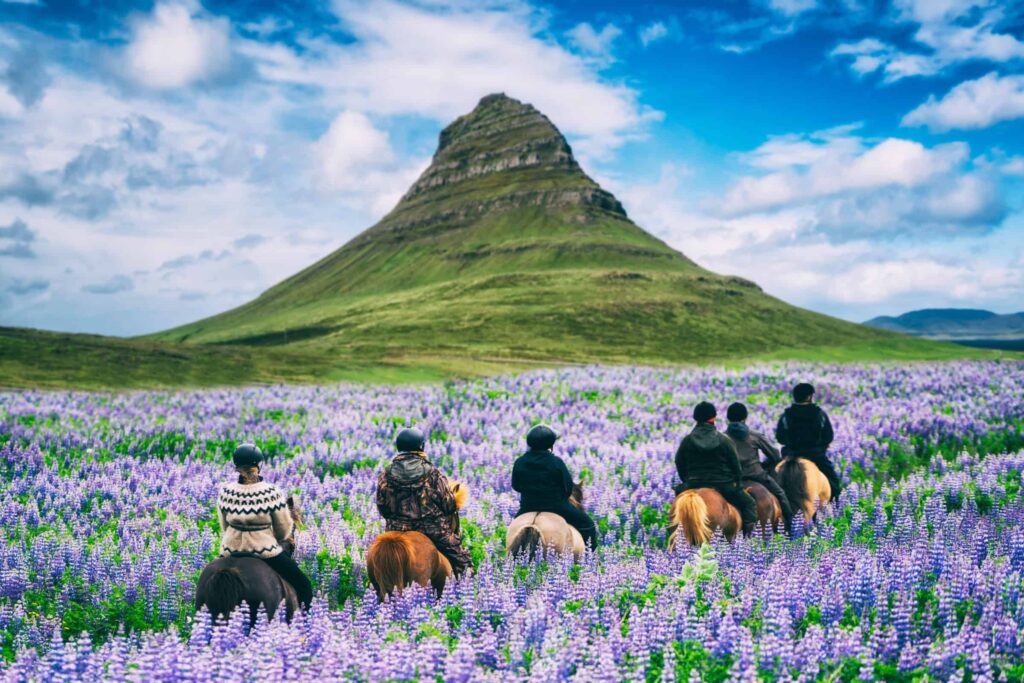
Summer runs from June through August and is widely considered the Best Time to Travel to Iceland for outdoor adventure.
Summer Weather and Daylight
Temperatures usually range between 10°C and 20°C. The midnight sun creates nearly 24 hours of daylight in June and July. This means long hiking days and extended road trips.
Highland roads open during this season, allowing access to remote volcanic landscapes.
Why Summer Is Often the Best Time to Travel to Iceland
All major routes are accessible. Hiking trails are open. Wildlife is active. Puffins nest along cliffs, and whale watching tours operate regularly.
Summer Pros and Cons
Pros:
- Midnight sun
- Open highland access
- Ideal hiking conditions
- Active wildlife
Cons:
- Higher prices
- Larger crowds
- Popular spots can feel busy
If you want full access and maximum activity options, summer may be the Best Time to Travel to Iceland.
Autumn Travel in Iceland
Autumn covers September and October. Many experienced travellers quietly believe this is the Best Time to Travel to Iceland.
Autumn Weather and Scenery
Landscapes turn golden. Moss glows under soft light. Temperatures range from 2°C to 10°C. Darkness returns gradually, allowing aurora sightings again.
Tourist numbers drop after August, and prices begin to decrease.
Why Autumn Can Be the Best Time to Travel to Iceland
You get a balance between manageable weather and fewer crowds. Northern Lights return while roads are still mostly accessible.
Autumn Pros and Cons
Pros:
- Northern Lights season begins
- Fewer tourists
- Beautiful autumn colours
- Moderate pricing
Cons:
- Increasing rain
- Highland roads begin closing
For many travellers, September offers the Best Time to Travel to Iceland because it combines adventure with space and calm.
Best Time to Travel to Iceland for Northern Lights
Seeing the aurora dance across Iceland’s sky is a bucket-list experience for many travellers. Choosing the Best Time to Travel to Iceland for Northern Lights is all about timing, darkness, and weather conditions.
Why Darkness Determines the Best Time to Travel to Iceland
The Best Time to Travel to Iceland for aurora viewing is from late September through March. During these months, nights are long enough to create the darkness needed to see the lights clearly. Without proper darkness, even strong solar activity will not be visible.
December and January have the longest nights of the year, sometimes offering up to 20 hours of darkness. However, February and March are often considered the Best Time to Travel to Iceland because the weather can be slightly more stable while still providing long, dark evenings.
Weather Conditions and Clear Skies
Clear skies are essential when planning the Best Time to Travel to Iceland for aurora chasing. Cloud cover can block visibility even during peak season. Coastal winds often shift clouds quickly, so flexibility is important.
Winter storms are possible, but patient travellers are often rewarded. Monitoring local weather forecasts and aurora activity increases your chances significantly.
Best Locations for Aurora Viewing
Even during the Best Time to Travel to Iceland, location matters. Staying away from city lights, especially outside Reykjavik, improves visibility. Rural areas, coastal regions, and open landscapes offer darker skies.
Popular viewing spots include the Golden Circle area, Kirkjufell mountain, and remote countryside cabins. Darkness and low light pollution make a big difference.
Practical Tips for Northern Lights Success
To maximise your chances during the Best Time to Travel to Iceland, plan at least three to four nights in winter. Keep your schedule flexible so you can move toward clearer skies if needed.
Dress warmly, be patient, and remember that aurora sightings are never guaranteed. But when they appear, the experience is unforgettable.
Best Time to Travel to Iceland for Hiking
Hiking in Iceland feels like walking through a living geology museum. Mountains glow in unusual colours, waterfalls thunder in the distance, and lava fields stretch endlessly. Choosing the Best Time to Travel to Iceland for hiking ensures safe and enjoyable trails.
Summer Trail Accessibility
June through August is widely considered the Best Time to Travel to Iceland for hiking. Snow has melted from most lowland and highland routes. Trails are clearly marked and accessible.
Highland regions such as Landmannalaugar are only reachable in summer because mountain roads close during winter months. If exploring colourful rhyolite mountains is on your list, summer is essential.
Midnight Sun and Extended Hiking Hours
Another reason summer is the Best Time to Travel to Iceland for hiking is the midnight sun. Nearly 24 hours of daylight allow you to start early or hike late without worrying about darkness.
This extended light gives flexibility, especially on longer treks like the Laugavegur Trail. Photographers also benefit from soft golden evening light.
Weather Conditions for Hikers
Temperatures during summer usually range from 10°C to 20°C. While weather can change quickly, conditions are milder compared to winter. This makes summer the Best Time to Travel to Iceland for less experienced hikers.
Winter hiking is possible but requires specialist equipment, guides, and experience with icy terrain.
Safety Considerations on Icelandic Trails
Even during the Best Time to Travel to Iceland, preparation is important. Weather shifts quickly, and trails can become muddy after rain.
Layered clothing, waterproof gear, and updated trail information are essential. Respecting warning signs and staying on marked paths protects both you and the fragile environment.
Best Time to Travel to Iceland for Budget Travellers
Iceland has a reputation for being expensive, but smart timing can reduce costs. Choosing the Best Time to Travel to Iceland for budget travel can make a significant difference to your overall expenses.
Shoulder Seasons Offer Lower Prices
April, May, September, and October are generally the Best Time to Travel to Iceland for lower accommodation rates. These months sit between peak summer and deep winter.
Hotels and guesthouses often reduce prices slightly compared to July and August. Campsites are quieter, and rental vehicles may cost less.
Affordable Flights and Transport
Flights are often cheaper during shoulder seasons, making this the Best Time to Travel to Iceland for international visitors seeking value. Car rental rates can also be more reasonable compared to high summer demand.
Winter can sometimes offer low flight prices, but weather disruptions may increase unexpected costs.
Fewer Crowds, More Flexibility
Choosing the Best Time to Travel to Iceland outside peak summer means fewer tourists at major attractions. This can improve your overall experience while reducing the need for premium bookings far in advance.
Restaurants and tours may also offer slightly better availability, allowing more flexibility.
Balancing Cost and Experience
The key to finding the Best Time to Travel to Iceland on a budget is balancing cost with activity access. Shoulder seasons offer lower prices while still providing good road conditions and increasing daylight.
By planning carefully and booking early, you can experience Iceland’s landscapes without peak-season pricing pressure.
Thingvellir National Park Adventure
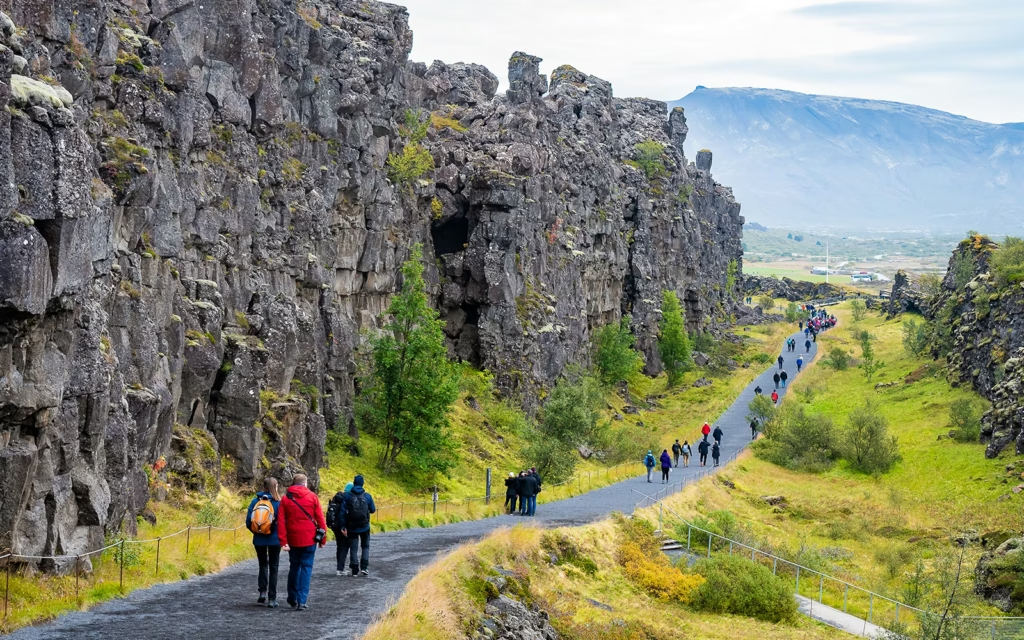
Thingvellir National Park is one of Iceland’s most fascinating natural and historical landmarks. Standing here feels powerful because you are literally between two tectonic plates. It is also part of the famous Golden Circle route. The Best Time to Travel to Iceland for visiting Thingvellir depends on the type of adventure you want.
Geological Significance and Unique Landscape
Thingvellir sits along the Mid-Atlantic Ridge, where the North American and Eurasian plates slowly drift apart. Walking through the rift valley feels surreal. During the Best Time to Travel to Iceland, you can clearly see dramatic rock formations, lava fields, and crystal-clear fissures.
In summer, hiking trails are fully accessible and easier to navigate. Winter adds snow and ice, creating a dramatic contrast against dark volcanic rock.
Snorkelling in Silfra Fissure
One of the most unique activities here is snorkelling in the Silfra fissure. The water is incredibly clear, with visibility reaching over 100 metres. Many travellers consider summer the Best Time to Travel to Iceland for snorkelling because conditions are more comfortable.
However, snorkelling is available year-round with dry suits. Winter adds a magical icy atmosphere above water while the water temperature remains stable.
Hiking and Scenic Walks
If hiking is your focus, summer is generally the Best Time to Travel to Iceland for Thingvellir. Trails are dry, daylight is long, and temperatures are milder. You can explore waterfalls, lava plains, and scenic viewpoints at your own pace.
Winter hiking is possible but requires caution due to snow and icy paths.
Seasonal Atmosphere and Visitor Experience
During summer, Thingvellir is lively with visitors enjoying long daylight hours. In contrast, winter offers a quieter and more dramatic atmosphere. Snow-covered landscapes and low golden sunlight create unforgettable scenery.
Ultimately, the Best Time to Travel to Iceland for Thingvellir depends on whether you prefer vibrant summer activity or peaceful winter drama.
Gullfoss Waterfall Experience
Gullfoss is one of Iceland’s most iconic waterfalls. The powerful cascade drops into a deep canyon, creating mist and rainbows on sunny days. Deciding the Best Time to Travel to Iceland for Gullfoss depends on what kind of view you prefer.
Summer Accessibility and Comfort
During summer, pathways around Gullfoss are clear and safe. Viewing platforms are easy to access, making this the Best Time to Travel to Iceland for travellers who prioritise comfort and safety.
The waterfall flows strongly due to glacial melt, and bright daylight allows plenty of time for photography.
Winter’s Frozen Beauty
Winter transforms Gullfoss into a frozen spectacle. Ice forms around the edges, and snow blankets the surrounding cliffs. For many photographers, winter becomes the Best Time to Travel to Iceland because the icy setting adds drama.
However, paths can be slippery, and extra care is needed.
Photography Opportunities
The Best Time to Travel to Iceland for capturing rainbows at Gullfoss is typically summer when sunlight angles create colourful mist effects. Winter photography, on the other hand, offers moody contrasts and frozen textures.
Each season delivers a different mood.
Choosing Between Accessibility and Atmosphere
If ease of movement matters most, summer is likely the Best Time to Travel to Iceland for visiting Gullfoss. If you prefer powerful winter scenery and fewer crowds, colder months may be ideal.
Either way, Gullfoss remains impressive year-round.
Vatnajökull Glacier Exploration
Vatnajökull is Europe’s largest glacier and one of Iceland’s most adventurous destinations. Massive ice fields stretch across the landscape, offering activities that vary by season. Choosing the Best Time to Travel to Iceland for Vatnajökull depends entirely on your preferred glacier experience.
Ice Cave Exploration in Winter
Winter is widely considered the Best Time to Travel to Iceland for exploring ice caves beneath Vatnajökull. Natural ice caves form during colder months and are only safe to enter from roughly November to March.
Inside, you will see glowing blue ice walls shaped by moving glaciers. Guided tours are essential for safety.
Glacier Hiking in Summer
If hiking across the glacier surface interests you, summer may be the Best Time to Travel to Iceland. Warmer conditions make glacier walks more comfortable, and daylight allows longer exploration.
Professional guides provide equipment such as crampons and helmets.
Seasonal Landscape Differences
In winter, the surrounding area is covered in snow, creating dramatic contrasts between white landscapes and deep blue ice. In summer, dark volcanic terrain surrounds the glacier, offering striking scenery.
The Best Time to Travel to Iceland here depends on whether you prefer icy cave interiors or surface hiking adventures.
Safety and Planning Considerations
Regardless of season, guided tours are strongly recommended. Weather around glaciers changes quickly. Even during the Best Time to Travel to Iceland, safety planning is essential.
Choosing the right season ensures you experience Vatnajökull in the way that best matches your adventure goals.
Jökulsárlón Glacier Lagoon Adventure
Jökulsárlón Glacier Lagoon is one of Iceland’s most surreal landscapes. Massive icebergs break away from the glacier and slowly drift toward the Atlantic Ocean. Seals swim between floating ice blocks, and the scenery feels almost otherworldly. Choosing the Best Time to Travel to Iceland for visiting Jökulsárlón depends on the kind of atmosphere you want to experience.
Summer Photography and Extended Daylight
During summer, long daylight hours make it easier to photograph the lagoon from different angles. The midnight sun allows you to capture soft golden light even late at night. For many photographers, summer can feel like the Best Time to Travel to Iceland because you have more time to experiment with lighting.
Boat tours also operate regularly in warmer months, allowing you to get closer to the icebergs.
Winter’s Dramatic Ice Contrast
Winter transforms the lagoon into a scene of sharp contrasts. Snow-covered surroundings highlight the blue tones of the floating ice. Shorter daylight hours create moody and atmospheric photography conditions.
If you prefer a dramatic and icy landscape, winter may be the Best Time to Travel to Iceland for Jökulsárlón.
Wildlife and Seasonal Activity
Seals can be seen year-round, but summer often provides calmer conditions for spotting them. Migratory birds also visit during warmer months. The Best Time to Travel to Iceland for wildlife viewing at the lagoon is typically late spring through summer.
Choosing Your Preferred Experience
Whether you prefer long golden evenings or snow-covered scenery, either season can represent the Best Time to Travel to Iceland for visiting Jökulsárlón. Your choice depends on whether you want vibrant daylight or dramatic winter mood.
Landmannalaugar Highlands Hiking
Landmannalaugar is one of Iceland’s most colourful and unique hiking destinations. The region is famous for its rhyolite mountains, lava fields, and geothermal hot springs. Access is limited, so choosing the Best Time to Travel to Iceland is especially important here.
Summer Road Accessibility
Highland roads leading to Landmannalaugar typically open between late June and early September. Outside of this window, heavy snow and rough conditions make access unsafe.
For this reason, summer is clearly the Best Time to Travel to Iceland for exploring Landmannalaugar.
Hiking Trails and Scenic Landscapes
The area offers a range of hiking trails, from short loops to multi-day treks like the Laugavegur Trail. Summer conditions provide safer and more predictable hiking environments.
If your goal is colourful mountains and panoramic views, summer is the Best Time to Travel to Iceland for this region.
Geothermal Hot Springs Experience
After a long hike, soaking in natural geothermal pools is a highlight. Warmer air temperatures in summer make this experience more comfortable.
While snow-covered landscapes may look beautiful, accessibility challenges mean winter is not suitable.
Safety and Preparation
Even during the Best Time to Travel to Iceland, weather in the highlands can change quickly. Wind and rain are common. Proper planning, checking road conditions, and driving suitable vehicles are essential for a safe adventure.
Snæfellsnes Peninsula Exploration
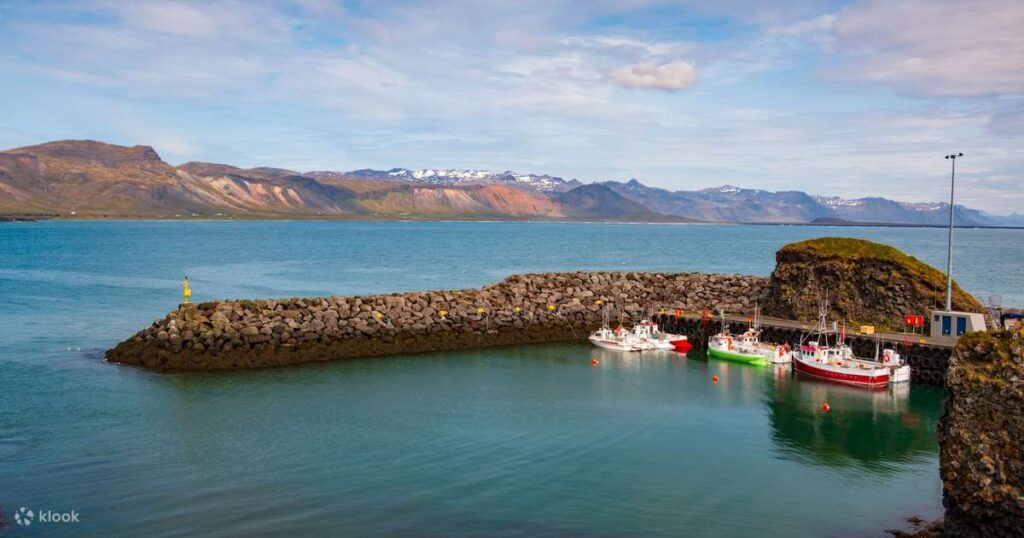
The Snæfellsnes Peninsula is often described as Iceland in miniature because it combines many of the country’s natural features in one region. Volcanoes, black sand beaches, dramatic cliffs, and glaciers all appear within a relatively compact area. Choosing the Best Time to Travel to Iceland for exploring Snæfellsnes ensures safer and more enjoyable conditions.
Diverse Landscapes in One Region
From lava fields to coastal cliffs, Snæfellsnes offers a wide range of scenery. Summer provides clear roads and easier driving conditions, which makes it the Best Time to Travel to Iceland for exploring multiple stops in a single day.
Coastal Cliffs and Wildlife
Birdlife is especially active in summer, with puffins nesting along sea cliffs. Warmer months provide better viewing opportunities and safer walking conditions near cliff edges.
For wildlife lovers, summer may be the Best Time to Travel to Iceland for this peninsula.
Winter’s Rugged Atmosphere
Winter adds dramatic skies and snow-covered landscapes. However, strong coastal winds can make driving more challenging.
Travellers who prefer fewer crowds and moody scenery may still consider winter the Best Time to Travel to Iceland for Snæfellsnes, provided they are prepared for weather changes.
Accessibility and Road Safety
If you want smoother driving and maximum access to viewpoints, summer remains the safest choice. For most travellers, this makes summer the Best Time to Travel to Iceland for fully exploring the peninsula.
Kirkjufell Mountain Photography
Kirkjufell is one of Iceland’s most photographed mountains. Its symmetrical shape and nearby waterfall create a perfect composition for landscape photography. Choosing the Best Time to Travel to Iceland for Kirkjufell depends on your creative vision.
Summer Green Landscapes
In summer, green grass and flowing waterfalls frame the mountain beautifully. Long daylight hours allow for flexible shooting times.
If you prefer vibrant colours and extended photography sessions, summer may be the Best Time to Travel to Iceland for Kirkjufell.
Winter Northern Lights Opportunities
Winter turns Kirkjufell into an iconic aurora backdrop. Snow-covered slopes reflect the glow of the Northern Lights. For many photographers, winter becomes the Best Time to Travel to Iceland because it offers the chance to capture both the mountain and the aurora in one frame.
Seasonal Light Conditions
Summer light is softer during late evenings due to the midnight sun. Winter light is lower and more dramatic during the few daylight hours.
Your lighting preference influences the Best Time to Travel to Iceland for photography here.
Planning Your Photography Trip
If aurora photography is your goal, winter is essential. If easier access and milder conditions matter more, summer works best.
Ultimately, the Best Time to Travel to Iceland for Kirkjufell depends entirely on the type of image you want to create.
Reynisfjara Black Sand Beach Visit
Reynisfjara Black Sand Beach is one of Iceland’s most dramatic coastal landscapes. Towering basalt columns rise from the shoreline, and powerful Atlantic waves crash against jet-black sand. It feels raw and untamed. Choosing the Best Time to Travel to Iceland for visiting Reynisfjara depends largely on comfort and road conditions rather than access.
Year-Round Accessibility
Reynisfjara is open and accessible throughout the year. However, weather conditions can significantly affect your experience. Summer is often considered the Best Time to Travel to Iceland for visitors who are unfamiliar with winter driving. Roads are clearer, daylight is longer, and visibility is better.
Winter visits are still possible, but icy roads and strong winds require extra caution.
Safety and Ocean Conditions
No matter when you visit, safety at Reynisfjara is critical. Sneaker waves can appear suddenly and are extremely powerful. Even during the Best Time to Travel to Iceland, visitors should stay well back from the waterline and follow warning signs.
Summer provides slightly calmer walking conditions, but the ocean remains unpredictable year-round.
Photography Opportunities
Photographers may find that winter offers dramatic skies and fewer crowds, which can influence their decision about the Best Time to Travel to Iceland for Reynisfjara. Snow sometimes dusts the black sand, creating striking contrast.
In summer, softer evening light and green cliffs surrounding the beach provide a different visual mood.
Choosing the Right Season
If easy driving and longer daylight matter most, summer is the Best Time to Travel to Iceland for visiting Reynisfjara. If you prefer moody coastal drama and are comfortable with winter conditions, colder months can also be rewarding.
Askja Volcano Adventure
Askja Volcano sits deep within Iceland’s remote highlands. The landscape here feels almost lunar, with vast lava fields and a striking crater lake known as Víti. Because of its isolation, choosing the Best Time to Travel to Iceland for Askja is crucial.
Limited Seasonal Access
Highland roads leading to Askja are closed for most of the year due to snow and harsh weather. These routes typically open only during summer, usually from late June to early September.
This makes July and August the Best Time to Travel to Iceland for reaching Askja safely.
Hiking to the Crater Lake
The hike to the crater lake is one of the highlights of visiting Askja. Summer conditions make the trail more manageable and safer for most travellers. During the Best Time to Travel to Iceland, the terrain is free from heavy snow, and visibility is clearer.
Swimming in the warm geothermal waters of Víti is possible in summer, though water temperatures vary.
Remote Driving Challenges
Reaching Askja requires driving on rough mountain roads that may involve river crossings. Even during the Best Time to Travel to Iceland, a suitable 4×4 vehicle is necessary. Checking road conditions before departure is essential.
Winter access is not possible for regular travellers due to extreme conditions.
Planning for a Safe Visit
Because of its remoteness, planning carefully is important. Informing someone of your travel plans and carrying proper supplies is recommended. The short summer window clearly defines the Best Time to Travel to Iceland for experiencing Askja.
Westfjords Exploration
The Westfjords are one of Iceland’s most isolated and least visited regions. Steep cliffs, deep fjords, and winding coastal roads define this rugged landscape. Choosing the Best Time to Travel to Iceland for exploring the Westfjords ensures both safety and accessibility.
Rugged Roads and Driving Conditions
Roads in the Westfjords can be narrow, steep, and partly unpaved. In winter, snow and ice make driving particularly challenging. For this reason, summer is generally the Best Time to Travel to Iceland for exploring this region safely.
Clearer roads and longer daylight hours reduce risk and allow more time to explore.
Wildlife and Natural Attractions
The Westfjords are home to dramatic cliffs like Látrabjarg, where seabirds nest in summer. Warmer months offer better wildlife viewing opportunities. For nature lovers, this often makes summer the Best Time to Travel to Iceland for visiting the Westfjords.
Waterfalls, hot springs, and quiet coastal villages are easier to access during this season.
Fewer Crowds Compared to Other Regions
Even in peak summer, the Westfjords remain less crowded than popular southern attractions. Visiting during the Best Time to Travel to Iceland still offers space and solitude compared to busier areas.
Winter travel is possible but requires experience with extreme weather and limited services.
Balancing Adventure and Safety
If your goal is to explore fjords, coastal cliffs, and remote villages without significant weather risk, summer is clearly the Best Time to Travel to Iceland for the Westfjords. Careful preparation is still essential, but conditions are far more manageable than in colder months.
Must Read:
- What is The Most Popular Place in Bolivia?
- Top Places to Visit in Egypt: Pyramids to Paradise
- Beautiful Places in Cape Town: Full Travel Guide
Final Thoughts:
There is no single answer to the Best Time to Travel to Iceland because the country offers something unique in every season.
If you want:
- Northern Lights and ice caves: winter
- Hiking and road trips: summer
- Budget-friendly travel: shoulder seasons
- Balanced adventure and fewer crowds: autumn
The key is aligning your expectations with the season. When you choose the Best Time to Travel to Iceland based on your goals, the experience becomes unforgettable.
Plan carefully. Pack for changing weather. Stay flexible. Iceland rewards preparation with some of the most extraordinary landscapes on Earth.