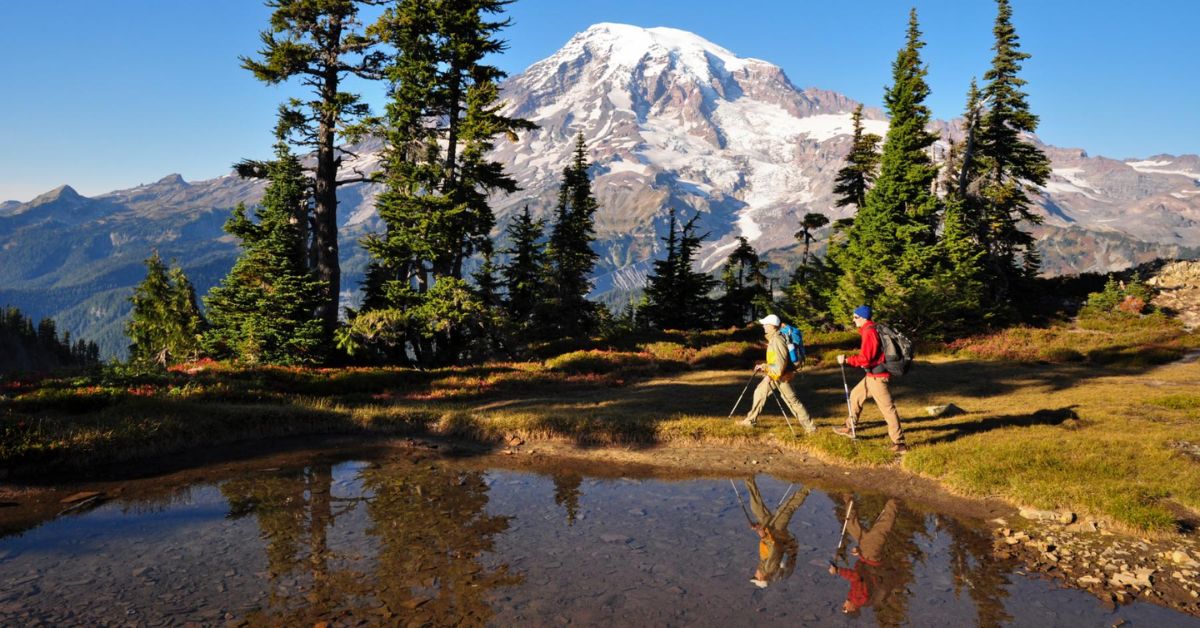
Planning a trip to Mount Rainier National Park does not have to mean high costs or crowded viewpoints. With the right timing, Mt Rainier can be one of the most affordable and rewarding national parks in the United States. The mountain’s dramatic presence, alpine meadows, and forested trails remain impressive year-round, but prices, access, and crowd levels vary sharply by season.
For budget-friendly travel, timing is everything. Accommodation rates near the park, transport costs, and even food prices fluctuate depending on demand. Visiting during peak summer months often doubles expenses, while shoulder seasons and winter offer substantial savings for travellers willing to plan carefully.
This guide explains the best time to visit Mt Rainier for budget-friendly travel by breaking down costs, weather, trail access, and crowd levels across the year. It helps travellers enjoy the park’s highlights while keeping spending under control.
Why Mt Rainier Can Be Budget-Friendly With the Right Timing
Mt Rainier’s proximity to Seattle makes it accessible without expensive internal flights. Many of the park’s best experiences, such as scenic drives, viewpoints, and short trails, are free once inside the park. The main costs come from accommodation, transport, and food, all of which depend heavily on season.
Budget travellers benefit most by avoiding peak summer demand, staying flexible with dates, and choosing quieter months when nearby lodging drops prices. Even partial access to the park during off-peak times can deliver strong value.
Understanding Mt Rainier’s Travel Seasons
Mt Rainier’s elevation and snowfall patterns shape its travel seasons more than the calendar alone.
- Winter: November to April
- Spring: May to June
- Summer: July to September
- Autumn: Late September to October
Snow depth, road access, and weather stability define what is possible during each period, which directly affects costs.
Best Overall Time to Visit Mt Rainier on a Budget
For most travellers, the best time to visit Mt Rainier for budget-friendly travel is late May to mid-June and late September to early October. These shoulder seasons offer lower accommodation prices, fewer crowds, and partial to full park access depending on weather.
Winter can also be very affordable, but access limitations and weather conditions make it suitable only for certain travel styles.
Visiting Mt Rainier in Winter (November to April)
Winter offers the lowest costs but the most restrictions.
Costs and Value in Winter
Accommodation near the park is significantly cheaper in winter. Many lodges and hotels lower prices due to reduced demand. Flights to Seattle are also often more affordable outside holiday weeks. Food costs remain stable, and parking is rarely an issue.
Access and Conditions
Heavy snowfall limits access to higher elevations. Areas such as Paradise may open intermittently depending on weather, while Sunrise is typically closed. Snowshoeing and winter walks replace hiking.
Crowd Levels
Winter is the quietest season. Visitors are few, creating a peaceful environment.
Budget Verdict
Winter offers excellent savings but limited access. It suits travellers seeking scenery and calm rather than full trail exploration.
Visiting Mount Rainier National Park in Spring (May to June)
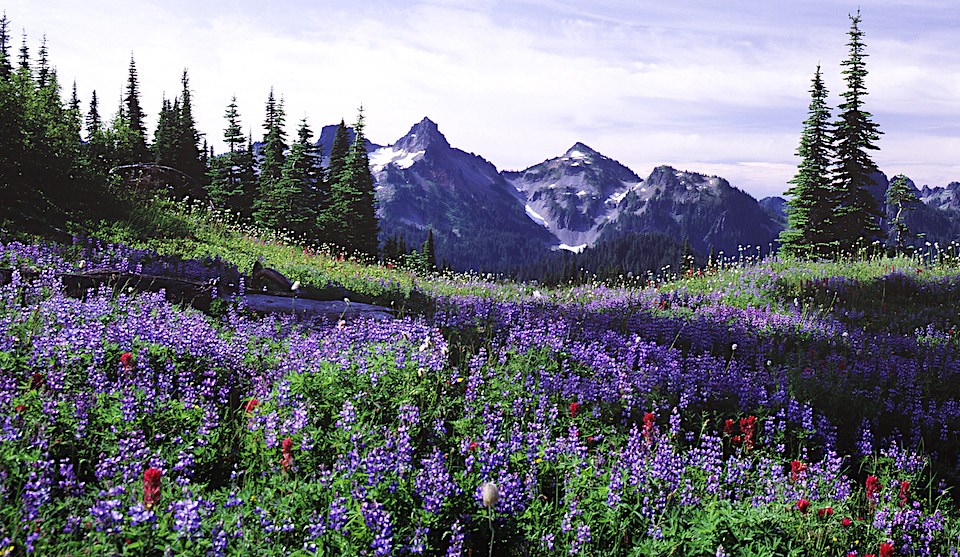
Spring marks the transition into wider access, making it a smart window for travellers watching their spending.
Costs and Value in Spring
May and early June offer strong value. Accommodation prices stay below summer highs, especially if you book midweek. Flights and car rentals are generally easier to secure at reasonable rates, and nearby towns still have decent availability.
Access and Conditions
Lower elevation areas open first as snow begins to melt. Higher elevations remain snow-covered, but scenic drives and shorter trails become accessible. By late June, early wildflowers start to appear, adding colour without the summer crowds.
Crowd Levels
Visitor numbers are moderate, with May feeling noticeably quieter than peak season. You can explore popular viewpoints without constant congestion.
Budget Verdict
Late spring delivers one of the best balances between cost savings and park access. You get scenery, space, and value without sacrificing too much.
Visiting Mount Rainier National Park in Summer (July to September)
Summer is the most popular season, but it is also the least friendly for tight budgets.
Costs and Value in Summer
Accommodation prices peak from July through August. Campgrounds, lodges, and nearby hotels often sell out months in advance. Flights and car rentals rise sharply, especially during school holidays.
Access and Conditions
All major areas are usually open, including Paradise and Sunrise. Trails are fully accessible, snow-free, and ideal for long hikes. Weather conditions are typically stable, which adds to demand.
Crowd Levels
Summer brings heavy crowds, particularly on weekends and public holidays. Parking fills early, and popular trails can feel busy from morning onward.
Budget Verdict
Summer delivers maximum access but minimum value. While conditions are excellent, high prices and crowds make it a poor choice for budget-focused travellers.
Visiting Mount Rainier National Park in Autumn (Late September to October)
Autumn delivers strong value with fewer people and calmer conditions. As summer ends, the park takes on a quieter feel, with crisp air and changing colours adding to the experience. This season suits travellers who prefer space, lower costs, and scenic views without peak-season pressure, making it one of the most sensible times to visit on a budget.
Costs and Value in Autumn
Accommodation prices drop sharply once summer demand fades. Hotels, lodges, and nearby rentals become more affordable, especially during weekdays. Flights and car hire also tend to ease compared to summer rates. Overall travel expenses are lower, making autumn a strong choice for cost-conscious visitors who still want quality access to the park.
Access and Conditions
Early autumn brings clear skies, dry trails, and excellent visibility. Most areas remain accessible through late September. As October progresses, snowfall may begin at higher elevations, which can limit road and trail access. Planning earlier in the season helps you enjoy stable conditions while avoiding the unpredictability of early winter weather.
Crowd Levels
Visitor numbers fall quickly after September, creating a noticeably quieter park experience. Popular viewpoints and trails feel less crowded, even on weekends. Parking is easier, and you can move at a relaxed pace without competing for space. This calmer atmosphere is a major advantage for travellers who dislike busy national park environments.
Budget Verdict
Early autumn stands out as an excellent budget window. Lower accommodation costs, reduced crowds, and mostly open access combine to deliver strong overall value. While late October can bring weather-related limits, visiting earlier in the season offers a rewarding balance of affordability, comfort, and access that is hard to beat.
Month-by-Month Budget Overview for Mount Rainier National Park
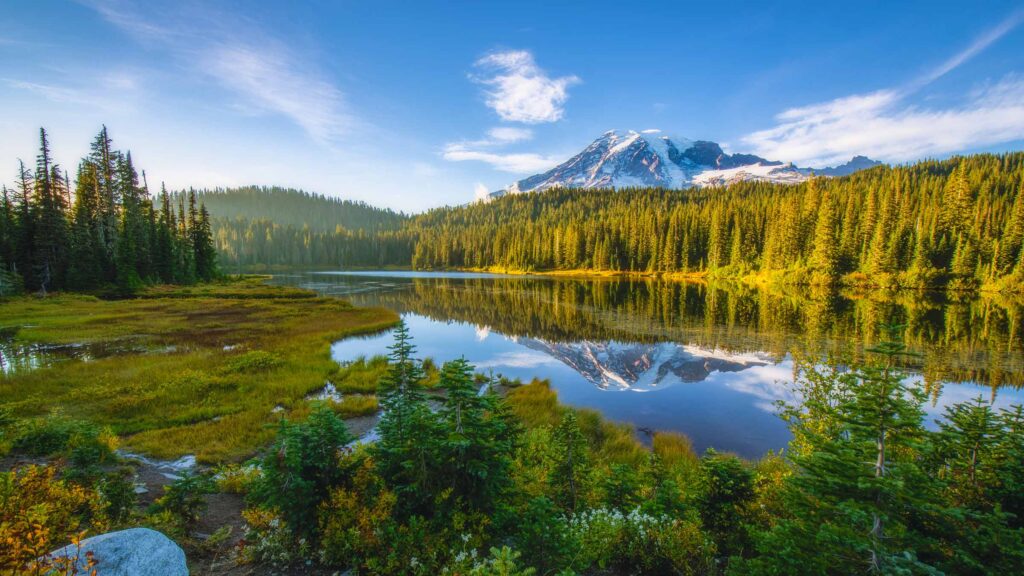
This month-by-month breakdown helps budget travellers understand how costs, access, and conditions shift throughout the year. Prices, crowd levels, and road openings vary widely, so timing matters. Below is a clear snapshot of what to expect each month, focusing on affordability and practical access rather than peak-season perfection.
January to March
This period delivers the lowest prices of the year. Hotels and rentals near the park are heavily discounted, and flights are often cheaper. Heavy snow dominates conditions, limiting access to most roads and trails. The experience suits winter activities rather than sightseeing. Budget travellers save the most money but must accept very restricted access and harsh weather.
April
April stays affordable, with accommodation prices still well below summer levels. Conditions are unpredictable, mixing snowmelt, rain, and occasional clear days. Some lower elevation areas may begin reopening, but access is inconsistent. This month works best for flexible travellers who prioritise cost savings and are comfortable adjusting plans based on weather and road updates.
May
May offers good value with improving access. Prices remain reasonable, especially midweek, and availability is better than summer. Snow retreats from lower elevations, opening more scenic drives and short trails. Higher areas stay closed, but the park feels more alive. It is a practical month for budget travellers wanting scenery without peak pricing.
June
Demand rises in June as access improves. Early June still offers affordable accommodation and manageable crowds, while prices climb later in the month. Trails and roads continue reopening as snow melts. Budget travellers should aim for the first half of June to balance cost, access, and conditions before summer pricing fully takes over.
July
July is the most expensive month. Accommodation prices peak, and availability becomes limited without early booking. Flights and car rentals also cost more. Full park access and stable weather attract heavy crowds. While conditions are ideal, the cost-to-value ratio is poor for budget travellers, especially during weekends and school holidays.
August
August remains high demand with limited budget options. Prices stay elevated across hotels, campgrounds, and transport. Crowds remain heavy, and popular areas feel busy throughout the day. Access is excellent, but value is low. Budget travellers may struggle to find affordable stays unless booking far in advance or staying well outside the park area.
September
Early September still feels busy and relatively expensive, especially around holiday weekends. As the month progresses, prices begin to drop and crowds thin out. Access remains good, and weather is often stable. Late September offers a noticeable improvement in value, making it a smart choice for travellers balancing cost and experience.
October
October delivers strong value, with accommodation prices falling sharply. Crowds are minimal, creating a quieter park atmosphere. Early October often has clear views and open lower areas, while later weeks may bring snow that limits access. Budget travellers benefit most by visiting early in the month before weather-related closures begin.
Budget-Friendly Areas to Stay Near Mount Rainier National Park
Choosing the right base can significantly reduce overall travel costs. Staying just outside the park often delivers better value than lodges inside the boundaries. These nearby towns balance affordability, access, and convenience, making them popular with budget-conscious travellers who still want reasonable drive times and basic amenities.
Ashford
Ashford is the closest budget-friendly base near the Paradise entrance. It offers cabins, small lodges, and guesthouses at lower prices than in-park accommodation. Drive times are short, which helps save on fuel and time. Dining options are limited but practical, making Ashford ideal for travellers focused on proximity and early park access.
Enumclaw
Enumclaw provides a more developed town setting with affordable hotels, restaurants, and grocery stores. Prices are generally lower than peak tourist areas closer to the park. The drive to Mount Rainier is straightforward, making it a solid choice for travellers who want comfort, dining variety, and good value without staying too remote.
Tacoma (Day Trips)
Tacoma offers lower lodging costs, especially outside summer weekends. As a larger city, it has more hotel deals, dining options, and transport links. The trade-off is a longer drive to the park, making it best for travellers comfortable with early starts and full-day trips rather than quick park access.
Saving on Transport and Food
- Travel midweek
- Pack meals and snacks
- Use scenic drives instead of paid tours
How Long to Stay for Best Value
The ideal stay length depends on balancing accommodation costs with how much of the park you want to see. Staying too short can feel rushed, while staying too long increases lodging and transport expenses without adding much extra value.
One Day
A single day works for strict budgets or travellers staying farther away. You can visit one main area, such as Paradise, and enjoy scenic viewpoints and short trails. While affordable, this option limits exploration and requires efficient planning to avoid feeling hurried.
Two Days
Two days offer the best value for most budget travellers. You can explore two major areas, pace activities comfortably, and avoid peak-time pressure. Accommodation costs remain manageable, especially outside summer, while the experience feels complete rather than rushed.
Three Days or More
Staying longer suits hikers or photographers but increases costs quickly. Extra days add flexibility rather than essential sights. For value-focused trips, the return diminishes after two full days unless you secure very affordable accommodation nearby.
Who Benefits Most From Budget Timing
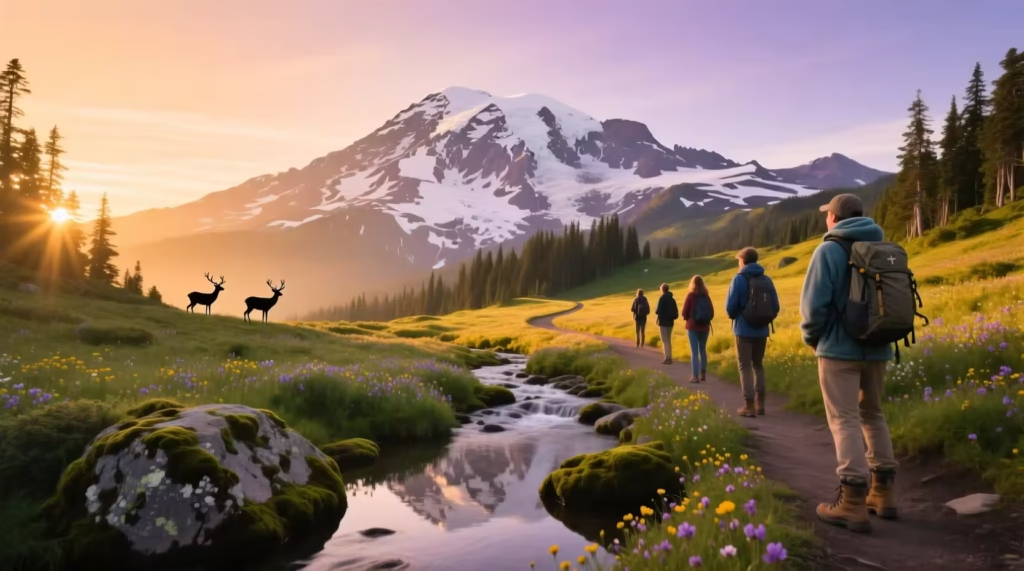
Timing your visit around shoulder seasons and midweek travel can dramatically reduce costs. Certain traveller types benefit more than others, depending on flexibility, travel style, and priorities. Below is a clear look at who gains the most value from budget-focused timing.
Solo Travellers
Solo travellers benefit from budget timing because they can move quickly and adapt plans easily. Midweek stays, last-minute deals, and shorter visits help keep costs low. Quieter months also suit independent exploration, making it easier to enjoy trails, viewpoints, and drives without crowds or pressure.
Couples
Couples gain value by travelling outside peak season when accommodation prices drop. Quieter periods create a calmer atmosphere and better availability at cosy lodges and rentals. Shared costs for transport and lodging stretch the budget further, making shoulder-season trips both affordable and enjoyable.
Flexible Travellers
Flexible travellers benefit the most from budget timing. Adjusting travel dates by a few days can unlock lower prices on accommodation and transport. They can avoid peak weekends, respond to weather changes, and take advantage of off-season deals without sacrificing the overall experience.
Photographers
Photographers benefit from visiting during low-cost, low-crowd periods. Fewer people mean cleaner compositions and easier access to popular viewpoints. Shoulder seasons also bring dramatic light, changing weather, and seasonal contrasts, offering better creative opportunities without the expense of peak summer travel.
Common Budget Mistakes to Avoid
- Visiting only in peak summer
- Booking accommodation late
- Ignoring shoulder-season access
Must Read:
- Best Time to Visit the Redwoods for Weather, Trails, and Views
- Best Time to Visit Quebec City for Budget-Friendly Travel
- Best Time to Visit Germany: Peak Season vs Shoulder Season
Final Thoughts:
The best time to visit Mt Rainier for budget-friendly travel is outside peak summer months. Late spring and early autumn offer the strongest combination of lower costs, manageable access, and calmer conditions. Winter delivers the deepest savings for travellers comfortable with snow and limited mobility.
With smart timing and flexible planning, Mt Rainier becomes an affordable destination that still delivers dramatic scenery, peaceful moments, and memorable experiences without high seasonal costs.