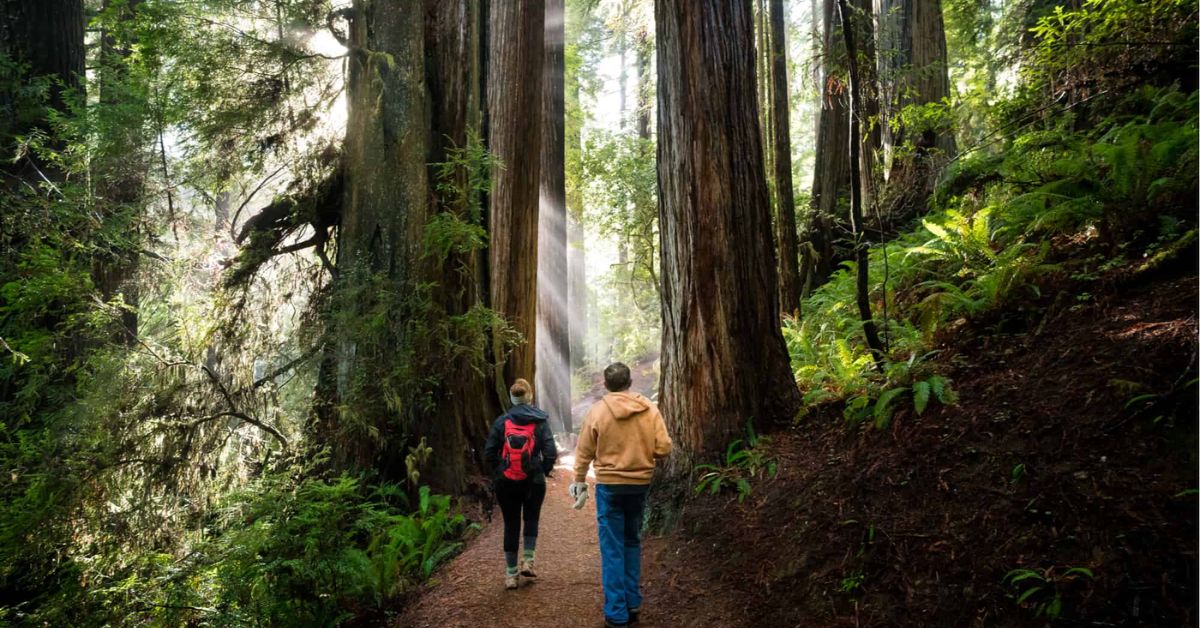
The redwood forests of Northern California are among the most awe-inspiring natural landscapes in North America. Towering trees, quiet trails, misty light, and coastal air create an atmosphere that feels timeless and grounding. Choosing the best time to visit the Redwoods for weather, trails, and views makes a real difference in how the experience feels on the ground.
The redwoods are accessible year-round, but conditions change significantly by season. Weather affects trail safety, fog alters visibility, and crowd levels influence how peaceful the forests feel. A summer visit offers dry trails but heavier traffic, while winter brings solitude at the cost of rain. Spring and autumn sit in between, often offering the best overall balance.
This guide explains the best time to visit the redwoods in a clear, practical way. It covers seasonal weather patterns, trail conditions, visibility, crowd levels, and travel comfort so visitors can choose a time that matches their expectations rather than relying on guesswork.
Where the Redwoods Are Located
Most visitors explore the redwoods in and around Redwood National and State Parks, a protected region stretching along Northern California’s coastline near the Oregon border. This area includes multiple parks managed together, combining national and state land.
Key redwood areas include:
- Jedediah Smith Redwoods State Park
- Prairie Creek Redwoods State Park
- Del Norte Coast Redwoods State Park
- The scenic Avenue of the Giants nearby
These locations share similar climate patterns, though coastal fog and rainfall vary slightly by proximity to the ocean.
Why Timing Matters in the Redwoods?
The redwoods are not a single attraction but a living environment. Weather affects everything from trail conditions to how tall the trees appear against the sky. Fog can enhance atmosphere or block views. Rain can nourish the forest or make paths muddy and slippery.
Crowds also change by season. In peak summer, parking lots fill early and popular trails feel busy. In winter, you may walk for hours without seeing another person.
Choosing the right time means deciding what matters most: dry trails, clear views, solitude, or dramatic forest mood.
Understanding Redwood Climate and Weather Patterns
The redwood region has a coastal climate influenced by the Pacific Ocean. Temperatures remain moderate year-round, but rainfall and fog vary widely.
Key climate features:
- Mild temperatures in all seasons
- Heavy winter rainfall
- Coastal fog, especially in summer
- Cooler mornings and evenings year-round
Unlike many national parks, the redwoods rarely experience extreme heat or cold. The main variables are moisture and visibility.
Best Overall Time to Visit the Redwoods
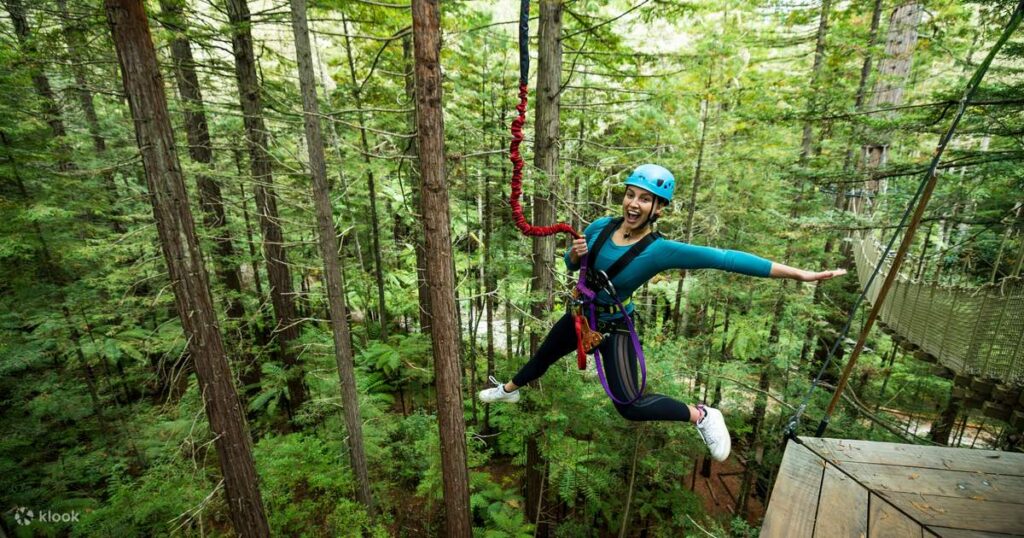
For most visitors, the best time to visit the redwoods for weather, trails, and views is late May through early October, with September often standing out as the most balanced month.
This period offers:
- Mostly dry trails
- Comfortable hiking conditions
- Manageable fog levels
- Full access to park roads and facilities
However, each season offers a different experience, and the “best” time depends on personal priorities.
Visiting the Redwoods in Spring (March to May)
Spring marks the shift from the wet winter season to the drier months ahead. This period brings visible changes to the forest and offers a calmer experience for visitors who value atmosphere and space.
Weather in Spring
March and early April can still be wet, with lingering rainstorms moving through the region. By late April and May, rainfall drops noticeably and temperatures become more consistent. The forest feels especially alive during this time, with bright moss, ferns, and new growth covering the ground and tree trunks.
Trail Conditions
Trail conditions vary across spring. Early in the season, paths can be muddy, particularly in shaded groves and low-lying areas. As May approaches, most main trails dry out and become easier to walk, although some less-used backcountry routes may remain soft underfoot.
Views and Visibility
Fog is generally lighter than in summer, allowing clearer upward views of the towering trees. Sunlight filtering through fresh foliage creates soft contrast and depth, making spring one of the best seasons for forest photography.
Crowd Levels
Spring sees far fewer visitors than summer, especially on weekdays. Parking is easier, trails feel open, and the forest remains quiet for longer stretches of the day.
Spring Verdict
Late spring is an excellent choice for visitors who want greener landscapes, lighter crowds, and steadily improving trail conditions.
Visiting the Redwoods in Summer (June to August)
Summer is the most popular time to visit the redwood forests and offers the most reliable access to trails and facilities.
Weather in Summer
Temperatures remain cool to mild and rarely feel hot, even during peak summer. Rainfall is minimal, but coastal fog is common, particularly in the mornings and in areas closer to the ocean. Afternoons often become clearer, though fog can linger on some days.
Trail Conditions
Summer provides the driest and safest trail conditions of the year. Paths are firm, well maintained, and suitable for longer hikes, family walks, and deeper exploration within Redwood National and State Parks. This is the easiest season for covering more ground comfortably.
Views and Fog
Fog is the main trade-off in summer. Some days clear by midday, revealing tall trunks and patches of blue sky, while others stay misty. The fog adds atmosphere but can limit wide or upward views of the canopy.
Crowd Levels
Summer brings the highest visitor numbers. Popular trails, scenic drives, and parking areas become busy, especially in July and August. Early mornings and less-known trails offer the best chance for quieter moments.
Summer Verdict
Summer is ideal for dry hiking and dependable access, but travellers seeking quiet surroundings or consistently clear views may find the combination of crowds and fog challenging.
Visiting the Redwoods in Autumn (September to November)
Autumn is widely considered one of the strongest seasons to experience the redwood forests. Conditions feel balanced, the forest is easier to explore, and the overall atmosphere becomes calmer after the busy summer months.
Weather in Autumn
September and October are generally dry, with cooler and more comfortable daytime temperatures. The air feels crisp, especially in the mornings and evenings, which suits long walks beneath the trees. Rain typically returns in November, bringing more moisture and cloud cover, but early autumn remains one of the most stable weather periods of the year.
Trail Conditions
Trails stay dry and firm through October, making autumn excellent for walking and hiking. Paths are easier to navigate than in winter or early spring, and fallen leaves rarely cause issues underfoot. This season is especially well suited for exploring longer routes within Redwood National and State Parks without trail closures or muddy conditions.
Views and Light
Fog decreases noticeably compared to summer, improving visibility throughout the forest. Sunlight enters the groves at lower angles, creating strong contrasts between light and shadow. These conditions enhance depth and texture, making autumn particularly rewarding for photography and quiet observation.
Crowd Levels
Visitor numbers drop sharply after August. September feels especially calm, with spacious trails, easier parking, and less activity along scenic drives. Even popular areas regain a sense of quiet that is difficult to find during peak summer months.
Autumn Verdict
Early autumn is one of the best times to visit the redwoods for balanced weather, reliable trail conditions, and clear views. For travellers seeking calm surroundings without sacrificing access or comfort, September and October consistently deliver an outstanding overall experience.
Visiting the Redwoods in Winter (December to February)
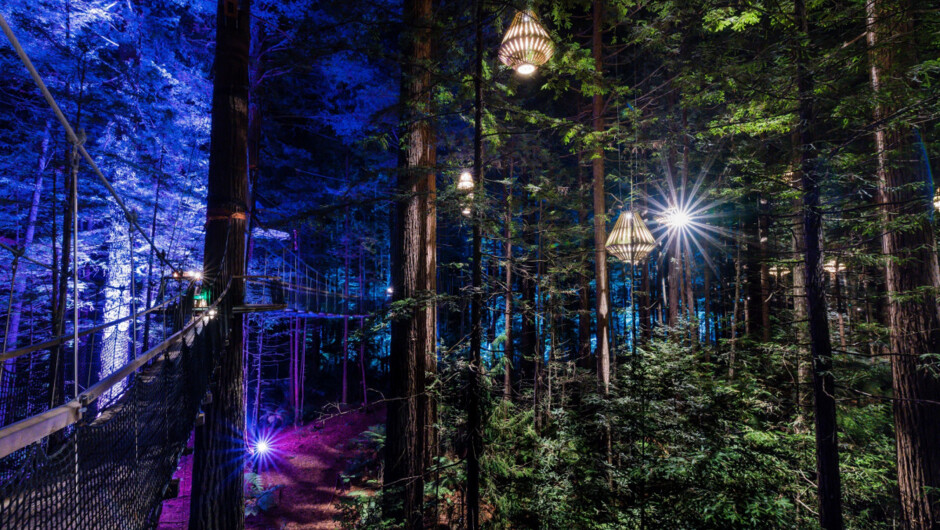
Winter delivers a quieter, more introspective experience in the redwood forests. While conditions are less predictable, the season reveals a dramatic side of the landscape that few visitors see.
Weather in Winter
Heavy rainfall is common throughout winter, with frequent storms moving in from the Pacific. Temperatures remain relatively mild compared to many regions, but damp conditions dominate. Overcast skies, drizzle, and mist are regular features, shaping both the mood and practical aspects of a visit.
Trail Conditions
Trail conditions are the most challenging in winter. Many paths become muddy or slippery, particularly in shaded groves and low-lying areas. Some trails may close temporarily for safety or maintenance. Waterproof footwear and weather-resistant clothing are essential for anyone planning to walk the forest during this season.
Views and Atmosphere
Fog, rain, and mist create powerful and dramatic forest scenes. The redwoods feel ancient and still, with deep green tones and subdued light filtering through the canopy. While wide or upward views may be limited, the atmosphere is rich and immersive for those who appreciate mood over clarity.
Crowd Levels
Winter is the quietest season in the redwoods. Visitor numbers drop sharply, and it is common to walk long stretches of trail without encountering another person. Parking and access are rarely an issue during this time.
Winter Verdict
Winter suits visitors seeking peace, solitude, and atmosphere rather than hiking comfort or clear views. For travellers prepared for wet conditions, it offers a rare and deeply reflective way to experience the redwoods.
Month-by-Month Overview of the Redwoods
This month-by-month overview explains how conditions change across the year in the redwood region. Each month offers a different mix of weather, trail quality, views, and crowd levels, helping travellers choose the timing that best suits their priorities.
January and February
January and February are the wettest and quietest months in the redwood forests. Heavy rain is common, and trails can feel muddy or slippery, limiting hiking comfort. However, visitor numbers are extremely low, creating deep solitude. Fog and mist enhance the atmosphere, giving the forest a dramatic and ancient feel. These months suit travellers who value peace, mood, and reflective walks over dry trails and clear skies.
March
March marks the slow transition out of winter. Rainfall begins to ease compared to earlier months, though showers remain frequent. Trails are still soft, especially in shaded areas, but conditions improve gradually. Visitor numbers remain low, and the forest feels calm and spacious. March works well for travellers seeking quiet surroundings while accepting variable weather and limited trail comfort in exchange for solitude.
April
April brings greener landscapes and lighter rainfall across the redwood region. Ferns, moss, and ground cover appear especially vibrant, and the forest feels refreshed. Trails improve but may still be damp in places. Visitor numbers stay low, making access easy and unhurried. April suits travellers who want improving weather, fewer crowds, and a lively forest environment without the pressure of peak-season travel.
May
May offers one of the strongest overall balances of the year. Trails continue drying out, weather becomes more stable, and temperatures feel mild and comfortable. Crowds remain low compared to summer, and fog is generally lighter. Hiking conditions improve significantly, making longer walks more enjoyable. May is ideal for visitors who want reliable trail access, pleasant conditions, and a calm atmosphere before summer demand increases.
June
June brings dry and reliable trail conditions, making it easier to explore a wider range of paths. Visitor numbers begin to rise, especially toward the end of the month. Coastal fog becomes more noticeable, particularly in the mornings. While hiking comfort is high, views can be inconsistent due to mist. June suits travellers prioritising trail quality while accepting moderate crowds and variable visibility.
July
July is peak season in the redwood parks. Trails are at their driest and safest, but visitor numbers are high, especially on popular routes. Coastal fog is frequent and can limit upward views of the trees. Parking areas and scenic drives feel busy throughout the day. July works best for travellers focused on dry hiking conditions who are comfortable sharing the forest with larger crowds.
August
August closely mirrors July in terms of conditions. Trails remain dry, crowds stay high, and fog continues to roll in from the coast, particularly during mornings. Inland areas can feel slightly warmer, offering occasional breaks from mist. While access is reliable, solitude is limited. August suits travellers with fixed summer schedules who prioritise trail stability over quiet surroundings and clear views.
September
September is one of the best months overall to visit the redwoods. Trails remain dry, weather feels stable, and fog decreases noticeably compared to summer. Visitor numbers drop sharply after August, restoring a sense of calm. Views improve, and light conditions are excellent for photography. September offers an ideal mix of clear visibility, comfortable hiking, and low crowd levels across the parks.
October
October brings cooler temperatures and scenic conditions as autumn settles in. Trails remain firm through most of the month, and visitor numbers stay low. Fog is less frequent, improving views within the forest. Rain may begin toward late October, but early weeks remain dry and comfortable. October suits travellers seeking calm, scenic walks and strong visual contrast without summer crowds or winter rain.
November
November signals the return of wetter conditions. Rain becomes more frequent, and trails can turn muddy again, especially after storms. Visitor numbers remain very low, preserving a quiet and reflective atmosphere. While hiking comfort decreases, the forest feels rich and deeply green. November suits travellers who value solitude and atmosphere over trail ease and consistent weather.
December
December delivers moody forest scenes shaped by heavy rain, mist, and low light. Trails are often wet, and some routes may close temporarily. Crowds are minimal, and the redwoods feel still and powerful. Clear views are less common, but atmosphere is strong. December works best for travellers seeking quiet immersion and dramatic scenery rather than hiking comfort or visibility.
Best Time for Hiking the Redwoods
The best time for hiking the redwoods is late May through October, when trail conditions are most reliable and access across the parks is easiest. During this period, paths are firm, well maintained, and less affected by mud or closures, making hiking safer and more comfortable.
June through September offers the driest trails, which is ideal for longer hikes and backcountry routes within Redwood National and State Parks. However, summer also brings higher visitor numbers and frequent coastal fog, especially in the mornings.
For many hikers, September stands out as the best overall month. Trails remain dry, fog decreases, crowds drop sharply after summer, and temperatures are comfortable for extended walks. May and October are also strong options, offering good trail conditions with fewer people, though light rain may appear late in the season.
Winter and early spring are less suitable for hiking due to muddy trails and frequent rainfall, but they may still appeal to experienced hikers seeking solitude rather than trail comfort.
Best Time for Views and Photography
Clearer views often appear in:
- April and May
- September and October
Summer fog can be beautiful for atmosphere but inconsistent for wide views.
Best Time to Avoid Crowds
The quietest periods are:
- January through March
- November
- September weekdays
Summer weekends are the busiest.
Coastal Fog and How It Affects Your Visit
Fog is part of the redwood ecosystem. It nourishes the trees and shapes the forest environment.
Fog patterns:
- Heaviest in summer mornings
- Clears inland first
- Less frequent in spring and autumn
Fog can enhance mood but reduce sky visibility.
Road Conditions and Travel Ease by Season
Summer and early autumn offer the easiest driving conditions. Winter storms can cause temporary closures on smaller roads.
The Avenue of the Giants is accessible year-round but most comfortable outside heavy rain.
What to Pack Based on Season
Always pack:
- Layers
- Waterproof jacket
- Sturdy walking shoes
Add rain gear in winter and spring. Bring lighter layers for summer afternoons.
How Long to Spend in the Redwoods?
A 2 to 4 day stay allows enough time to explore multiple parks without rushing. Longer stays are most enjoyable in dry seasons.
Who Each Season Suits Best
- Spring: photographers, calm travellers
- Summer: families, hikers, first-time visitors
- Autumn: couples, nature lovers, walkers
- Winter: solitude seekers, atmosphere lovers
Common Mistakes to Avoid
- Expecting summer to be fog-free
- Underestimating winter rain
- Visiting only midday and missing morning light
- Rushing through without time to walk trails
Must Read:
- Best Time to Visit Quebec City for Budget-Friendly Travel
- Best Time to Visit Germany: Peak Season vs Shoulder Season
- Best Time to Visit Maui Without Crowds or High Prices
Final Thoughts:
The best time to visit the redwoods depends on what you want to feel. Late spring and early autumn offer the strongest balance of weather, trail access, and clear views. Summer delivers reliable hiking but more fog and crowds. Winter offers unmatched quiet and atmosphere at the cost of comfort.
The redwoods are powerful in every season. Choosing the right time simply determines whether the experience feels adventurous, peaceful, dramatic, or deeply reflective.