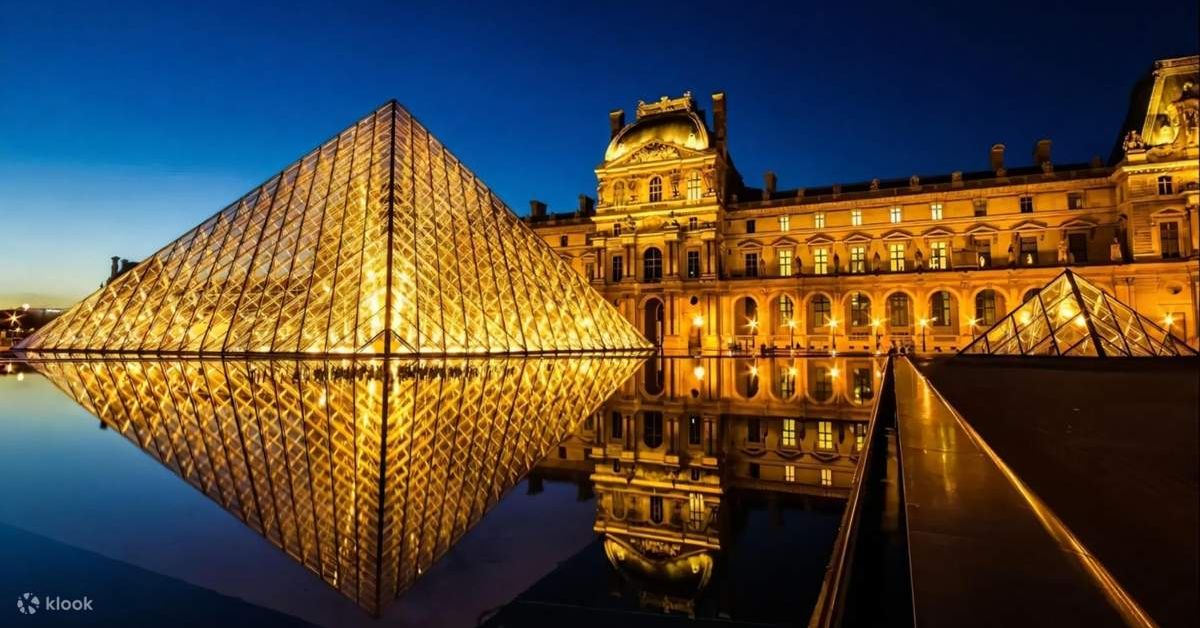
Stepping into the Louvre Museum France feels like entering the living soul of human creativity. The moment the glass pyramid comes into view, the atmosphere shifts. The outside world fades, and history, imagination, power, and beauty take centre stage.
Inside, silence mixes with footsteps, whispers, and distant echoes of centuries past. Kings once walked these halls. Artists shaped the world from these rooms. Revolutions unfolded outside these walls. The Louvre is not a place you simply visit. It is a space you absorb, layer by layer, emotion by emotion.
Why the Louvre Museum France Is So Famous Worldwide
Global recognition does not come from size alone. The Louvre earned its reputation through centuries of cultural dominance, royal patronage, artistic excellence, and historical transformation.
Why No Other Museum Matches Its Scale
From ancient Egyptian artefacts to Renaissance sculptures, from medieval weaponry to neoclassical paintings, the Louvre carries nearly the entire visual memory of civilisation within one complex. Very few institutions in the world allow visitors to walk through multiple empires, dynasties, and revolutions within hours.
Where the Louvre Is Located and How to Reach It
Location plays a powerful role in accessibility and atmosphere. The Louvre stands at the centre of both Paris and global art culture.
1. Louvre Museum Location
The museum stretches along the right bank of the River Seine between Le Marais and Saint-Germain-des-Prés. Its iconic glass pyramid sits inside the Cour Napoléon and serves as the main entrance.
2. Best Ways to Reach the Louvre
The Paris Metro offers direct access via Palais Royal–Musée du Louvre station. Walking to the museum provides scenic beauty through historic streets. Public buses stop nearby, and taxis reach the entrance easily.
Best Time to Visit the Louvre Museum
Timing plays a powerful role in shaping your experience at the Louvre Museum. The hour you enter, the day you choose, and even the season you travel can influence crowd levels, viewing comfort, and your emotional connection with the artworks. With smart timing, the Louvre feels calm and immersive rather than rushed and overwhelming.
1. Best Time of Day
Early morning visits offer the calmest atmosphere and the shortest entry lines. The galleries feel quieter, the energy feels softer, and it is easier to slow down in front of major masterpieces. Late evening sessions also provide a peaceful and emotionally immersive mood, with fewer tour groups and gentler crowd movement. Midday is the busiest period, especially between late morning and early afternoon, when tourist volume peaks.
2. Best Days of the Week
Midweek days generally feel more manageable than weekends. Visitor numbers tend to be lower on Wednesdays and Thursdays, allowing smoother movement through popular wings. Tuesdays are usually the most crowded due to weekly travel patterns and museum scheduling.
3. Best Season to Visit
Winter allows the most peaceful gallery exploration with lighter crowds. Spring and autumn offer a balance of comfort and visitor flow. Summer delivers extended opening hours but also the heaviest visitor volume.
How Long You Should Spend Inside the Louvre
Understanding time expectations protects visitors from fatigue and sensory overload. A rushed Louvre visit reduces pleasure instead of enhancing it.
A highlights visit normally requires two to three hours. A half-day visit allows focus on one wing and nearby galleries. A full day suits art lovers seeking immersive discovery. Attempting full coverage in one day often results in exhaustion rather than inspiration.
Understanding the Louvre Layout
Without a basic map strategy, many visitors feel overwhelmed by the sheer scale of the Louvre. The museum is vast, with multiple levels and hundreds of interconnected rooms, so understanding its three main wings before entering can completely transform your experience. Each wing has its own focus, artistic personality, and historical depth, allowing you to tailor your visit based on interest and time.
1. Denon Wing
The Denon Wing is the most visited section of the Louvre and home to its most famous treasure, the Mona Lisa. It also contains some of the finest Italian Renaissance works and dramatic historic halls filled with large-scale paintings. This wing feels energetic and intense because of heavy foot traffic and world-famous masterpieces concentrated in one place.
2. Sully Wing
The Sully Wing takes visitors back to the origins of civilisation. Here you will find ancient Egyptian artefacts, early Mesopotamian works, and the original medieval fortress foundations of the Louvre itself. This wing feels quieter, deeper, and more archaeological in atmosphere.
3. Richelieu Wing
The Richelieu Wing showcases French royal apartments, decorative arts, and classical European paintings. It feels elegant, refined, and less crowded, offering a calmer pace for exploration.
The Mona Lisa Reality Check
The Mona Lisa draws massive crowds daily. The painting is smaller than many expect, protected behind glass, and heavily guarded. Flash photography is forbidden. Yet despite the crowd, the emotional intensity remains undeniable because of the painting’s global narrative and symbolic importance.
Other Must-See Masterpieces Inside the Louvre
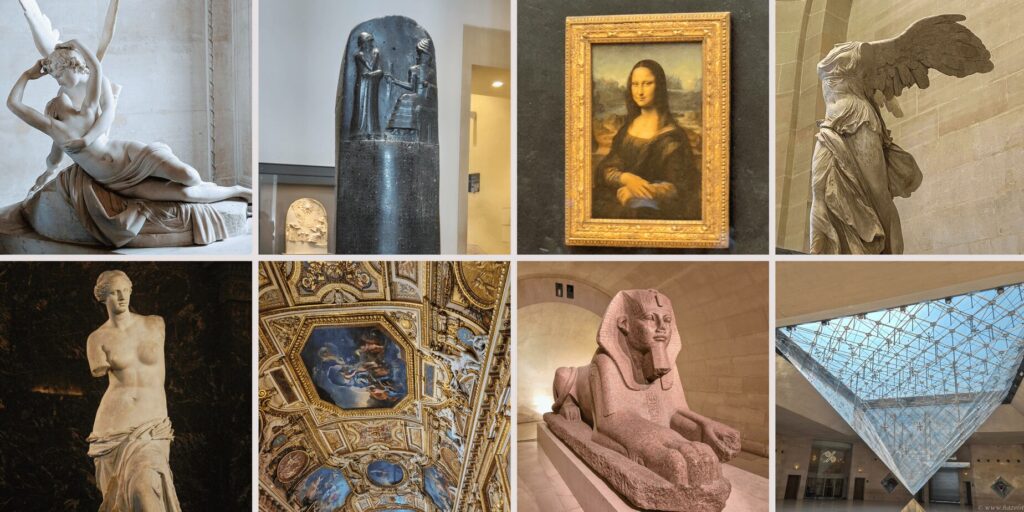
The Venus de Milo radiates timeless elegance. The Winged Victory of Samothrace captures motion frozen in stone. Liberty Leading the People expresses rebellion through brushstroke. The Coronation of Napoleon reflects absolute imperial power. These works often move visitors far more deeply than expected.
Hidden Gems Most Visitors Miss
Beyond the famous galleries, quiet rooms hold Islamic calligraphy, medieval furnishings, and Renaissance side portraits. These lesser-known chambers create deeper emotional reflection than crowded iconic zones.
Guided Tour vs Self Exploration
Choosing between a guided tour and self exploration inside the Louvre shapes how your entire visit feels. The museum is enormous, layered with history, and packed with visual information. Some visitors prefer to move freely in silence, while others want structured storytelling that brings every gallery to life. Neither choice is better than the other. What matters is how you prefer to absorb culture, history, and art.
1. Guided Tours
Guided tours offer a deeper understanding of what you are seeing and why it matters. A professional guide adds context to paintings, sculptures, and rooms that might otherwise feel overwhelming or confusing. Instead of walking past hundreds of artworks without meaning, visitors are led through a carefully planned route that highlights the most important masterpieces.
Guided tours are ideal for travellers with limited time who still want cultural depth. The guide controls pacing, navigates efficiently through crowded areas, and explains complex historical connections in simple language. This reduces mental fatigue and helps visitors focus on the experience instead of navigation.
For first-time visitors, guided tours often feel less stressful. There is no fear of getting lost, missing major works, or wasting time in less relevant sections. Every step has purpose.
2. Self Exploration
Self exploration offers freedom, silence, and personal rhythm. Visitors can move slowly, pause for long periods in front of one artwork, skip others entirely, and follow instinct rather than structure. This approach suits creatives, photographers, writers, and reflective travellers who enjoy emotional connection over formal explanation.
Self exploration allows a deeper personal response to art. Instead of listening to explanations, you build your own relationship with what you see. However, it requires more physical stamina and planning because the Louvre’s scale can easily cause fatigue without a route strategy.
Louvre Museum for First-Time Visitors
First-time visitors often experience sensory overload the moment they enter the Louvre. The scale surprises even seasoned travellers. The endless corridors, layered ceilings, and continuous flow of artwork make it difficult to decide where to begin.
Many first-time visitors make the mistake of trying to see everything. This usually leads to tired feet, mental exhaustion, and rushed viewing. The wiser approach is to choose one main wing in advance and allow yourself time to absorb rather than rush.
Taking short seated breaks inside the galleries significantly increases enjoyment. Hydration, slow walking, and deliberate pausing transform the experience from overwhelming to inspiring. For first-time visitors, the Louvre feels less like a museum and more like a journey through civilisation itself.
Louvre Museum for Families and Children
Families visiting the Louvre often worry that children will lose interest quickly. In reality, children respond strongly to dramatic visuals such as statues, armour, large battle paintings, and ancient relics. These sections feel like stepping into a live history story rather than a quiet gallery.
Shorter visits work far better than full-day marathons for families. Trying to confine children for an entire day inside any museum can lead to fatigue and restlessness. Instead, focusing on one or two engaging sections keeps the experience positive.
The museum infrastructure supports families well. Stroller access is available, seating areas are spaced throughout the galleries, and restrooms are clean and clearly marked. With the right pacing, families often find the Louvre both educational and emotionally engaging for children.
Photography Rules and Best Photo Moments
Photography inside the Louvre is permitted in most public spaces as long as flash is not used. The absence of flash protects delicate artworks from light damage while still allowing visitors to capture personal memories.
The most dramatic interior photographs often come from architectural corridors where natural light filters through tall windows and high ceilings. These spaces create depth, shadow, and reflective surfaces that elevate even simple photos.
Outside, the glass pyramid becomes one of the most iconic photography subjects in the world. At sunrise, it reflects soft sky colours across its surface. At night, artificial lighting transforms it into a glowing geometric sculpture. Both moments offer completely different emotional tones for photographers.
Night Visits to the Louvre

Evening visits to the Louvre Museum feel entirely different from daytime experiences. The crowds thin out, the noise softens, and artificial lighting creates a dramatic mood across the galleries.
At night, artworks appear more intense. Shadows grow deeper. Colours feel richer. Movement slows. Couples and solo travellers often describe night visits as more emotional and intimate because distractions fade.
Night entry also allows easier access to popular galleries without aggressive crowd pressure. For those seeking calm reflection rather than tourist energy, the evening Louvre is often the most rewarding version of the experience.
Security and Visitor Safety
Security inside the Louvre operates at a very high standard due to the museum’s global importance and visitor volume. Entry includes mandatory bag scanning and body checks. Certain items are restricted for safety reasons, particularly oversized bags and sharp objects.
Lockers are available for visitors carrying larger belongings, allowing them to move comfortably inside without physical burden. Security staff remain visible throughout the building and respond quickly to any issues or concerns.
Despite the size of the museum and daily crowds, visitors generally feel very safe. The organised security system allows people to immerse themselves in the environment without fear or distraction.
Dress Code and Comfort Tips
There is no formal dress code at the Louvre, but comfort plays a major role in how much you enjoy your visit. The museum requires extensive walking on stone floors and staircases, so comfortable walking shoes are essential.
Light layers work best because gallery temperatures remain steady, while the outside weather may change. Heavy backpacks slow movement, cause shoulder strain, and attract security inspection delays. Travelling light increases both physical comfort and time efficiency.
Comfort inside the Louvre is not about fashion. It is about endurance, mobility, and mental focus.
Food, Cafés, and Dining Options
The Louvre houses cafés that provide light meals, snacks, coffee, and pastries for visitors who need quick refreshments between galleries. These are convenient but often crowded during peak hours.
For full dining experiences, stepping outside the museum offers much better value and atmosphere. Restaurants along the River Seine combine French cuisine with scenic river views. Dining outside also gives visitors a mental break from enclosed gallery spaces.
Timing meals carefully helps avoid long lines both inside and outside the museum.
Accessibility for Seniors and Disabled Visitors
The Louvre makes significant efforts to support visitors with mobility challenges. Wheelchair-accessible entrances, elevators, ramps, and seated rest zones are widely available across all main wings.
Staff members are trained to provide assistance upon request. Visitors with limited mobility can still experience major highlights comfortably with proper planning.
This level of accessibility allows the Louvre to remain inclusive rather than exclusive, ensuring that age or physical condition does not prevent cultural connection.
Common Visitor Frustrations and How to Avoid Them
Long entry queues are one of the most common frustrations. These are easily avoided through advance online ticket booking. Getting lost inside the museum is another frequent issue. This is best prevented by choosing one wing and avoiding random wandering.
Fatigue is the third major challenge. The remedy is pacing. Sitting when needed, slowing down, and staying hydrated prevent physical and mental burnout.
Most frustrations at the Louvre come not from the museum itself, but from lack of planning.
Is the Louvre Worth It for Non-Art Lovers
Many people assume that the Louvre is only valuable for art specialists. This is not true. The building itself, with its royal architecture, vaulted halls, and monumental staircases, delivers emotional value even before noticing the artworks.
Non-art lovers often find unexpected inspiration through history, symbolism, and sheer scale. The energy of the place alone creates emotional impact. Many visitors who enter without prior interest in art leave with a deeper appreciation for culture and human creativity.
Louvre Museum Costs and Budget Planning
General admission provides immense cultural value compared to ticket prices at many other global attractions. Guided tours cost more but dramatically increase understanding and efficiency.
Dining outside the museum reduces total spending while improving meal quality. Budget-conscious travellers can experience the Louvre comfortably without overspending by planning tickets, meals, and visit duration carefully.
One-Day Visit vs Multiple Visits
A single day inside the Louvre allows visitors to see the major highlights and feel the overall atmosphere. Two days allow deeper understanding and reduced physical strain. Multiple visits across a longer stay build emotional connection and long-term appreciation.
The Louvre is one of the rare destinations that feels richer each time you return rather than repetitive.
Louvre Compared to Other World Museums
Compared to the Vatican Museums or the British Museum, the Louvre stands apart due to its royal legacy, architectural scale, and artistic balance across civilisations. While other museums excel in specific historical areas, the Louvre covers ancient, medieval, renaissance, and neoclassical art in one continuous narrative.
It is this balance that elevates the Louvre into a category of its own.
Emotional Impact of Visiting the Louvre
Visitors often leave with quiet reflection rather than excitement alone. The emotional resonance comes from standing before works that survived wars, revolutions, and centuries of change. The silence of some galleries feels heavier than the noise of crowds.
The Louvre does not overwhelm emotionally in one single moment. Its impact grows gradually and stays long after departure.
Who Should Definitely Visit the Louvre
First-time Paris travellers, students of history, creatives, photographers, researchers, couples seeking emotional depth, and culture lovers of all kinds receive lifelong benefit from visiting the Louvre. It reshapes how many people understand history, power, and beauty.
Who May Not Fully Enjoy the Louvre
Travellers who seek fast entertainment, strict solitude, or outdoor adventure may struggle with the crowds and enclosed indoor immersion. The Louvre requires patience, time, and openness rather than speed.
Must Read:
- Big Bus Tours Las Vegas Guide for Visitors
- Grand Canyon Tours From Las Vegas
- Valley of Fire Sunset Tour From Las Vegas
Final Verdict:
Yes, the Louvre is absolutely worth visiting. It is not simply a museum but a living record of civilisation shaped through stone, paint, shadow, and silence. Every gallery reflects centuries of human thought, power, struggle, creativity, and beauty preserved under one timeless roof. The experience goes far beyond viewing famous artworks. It places you inside history itself, where emperors once walked and artists changed the world through their vision.
The emotional weight of standing before masterpieces that survived wars, revolutions, and centuries of change creates a connection that cannot be replaced by books or screens. Visiting the Louvre is not about ticking off a famous attraction. It is about stepping into humanity’s shared creative legacy and feeling the depth of how far civilisation has travelled through imagination, expression, and resilience.