
Many travellers and outdoor enthusiasts use the terms interchangeably, but Trekking and Hiking are not exactly the same. While both involve walking in natural environments, the duration, intensity, preparation, and overall experience can differ significantly. If you are planning your first outdoor adventure or simply trying to understand which activity suits you better, knowing the distinction between Trekking and Hiking will help you make informed decisions.
Both activities offer physical exercise, mental clarity, and a strong connection with nature. However, the scale of commitment, equipment, and endurance required varies. This detailed guide explores every key difference between Trekking and Hiking, including terrain, duration, fitness requirements, gear, safety considerations, and ideal participants. By the end, you will clearly understand how these two outdoor activities compare and which one aligns with your goals.
Defining Trekking and Hiking
Understanding the basic definition is the first step in comparing Trekking and Hiking.
What is Hiking?
Hiking typically refers to walking on marked trails or established paths for leisure, exercise, or exploration. It can last anywhere from a couple of hours to a full day. Hiking routes are often well-maintained and located in parks, forests, hills, or nature reserves.
Hiking usually does not require overnight stays, although longer hikes can include camping. The activity is accessible to beginners and can be adapted to various fitness levels.
What is Trekking?
Trekking is generally a longer, more demanding journey that may last several days or even weeks. It often involves travelling through remote or rugged terrain where trails may not be clearly marked. Trekkers usually carry backpacks with essential supplies and may camp overnight or stay in mountain lodges.
In simple terms, hiking is usually shorter and more recreational, while trekking is longer and more endurance-focused.
Duration: Short Walk vs Multi-Day Journey
One of the clearest distinctions between Trekking and Hiking is the length of time involved. Duration shapes everything else, from planning and gear to physical demand and mental preparation. Understanding how time commitment differs between Trekking and Hiking helps you choose the activity that fits your schedule, energy level, and travel goals.
Hiking: Flexible and Time-Efficient
Hiking is generally a short to moderate outdoor activity. Most hikes last anywhere from two to eight hours, and many can be completed within a single day. Hikers usually start and finish at the same trailhead without needing overnight arrangements.
This shorter duration makes hiking highly accessible. It suits individuals with busy schedules, weekend travellers, and families who want a nature experience without long-term commitment. Because Trekking and Hiking differ significantly in time investment, hiking is often the entry point for beginners.
Day hikes also require less logistical preparation. Food, water, and gear planning are straightforward. If conditions change or fatigue sets in, returning to the starting point is typically manageable. The limited timeframe keeps the activity adaptable and less complex.
Trekking: Extended Outdoor Immersion
Trekking, in contrast, usually spans multiple days and sometimes weeks. Trekkers travel long distances across diverse terrain, often sleeping in tents, mountain huts, or rural lodges along the route.
Because Trekking and Hiking vary in duration, trekking demands greater physical endurance and mental resilience. Walking several consecutive days requires pacing strategies, recovery planning, and consistent energy management.
Multi-day treks also require careful scheduling. You must account for daily mileage, rest periods, food supply, weather forecasts, and emergency planning. Unlike hiking, returning to the starting point quickly may not be an option.
Time Commitment and Experience Depth
The difference in duration directly affects the depth of the experience. Hiking offers a refreshing break from routine. It allows you to enjoy scenic views, physical activity, and fresh air within a manageable timeframe.
Trekking provides deeper immersion. Spending several days in nature changes your rhythm. You adapt to sunrise and sunset patterns, disconnect from digital distractions, and develop a stronger connection with the environment. In discussions about Trekking and Hiking, this extended immersion is one of trekking’s defining characteristics.
Choosing Based on Your Schedule
If your schedule allows only a day or two outdoors, hiking is often the practical choice. It delivers many benefits of nature exposure without requiring extensive planning.
If you are seeking a prolonged adventure and have the time to commit, trekking offers a richer and more challenging journey. Understanding the duration difference between Trekking and Hiking ensures you select the option that aligns with your availability and adventure goals.
Terrain and Environment
Terrain is one of the most defining factors when comparing Trekking and Hiking. The environment in which each activity takes place influences preparation, difficulty level, and overall experience. While both involve walking through natural settings, the type of landscape and level of remoteness often separate Trekking and Hiking clearly.
Hiking Terrain: Managed and Accessible
Hiking trails are typically well-marked and maintained. Many are located within national parks, protected reserves, or designated recreational areas. You may walk through forests, rolling hills, coastal paths, or rocky trails, but clear signage, trail markers, and maps are usually available.
Because Trekking and Hiking differ in terrain intensity, hiking routes are often designed to be accessible for a wide range of fitness levels. Even moderately challenging hikes usually have visible paths and some level of infrastructure, such as rest areas or emergency access points.
A day hike in a national park might involve scenic viewpoints, steady inclines, and manageable distances. The environment is structured to balance adventure with safety and convenience.
Trekking Terrain: Remote and Demanding
Trekking routes, by contrast, are often located in more isolated and rugged regions. High-altitude mountains, deserts, dense forests, glaciers, or remote valleys are common trekking environments. In many cases, trails are less defined, and route markers may be minimal or absent.
Because of the terrain differences between Trekking and Hiking, trekking requires greater navigation awareness. Trekkers must often rely on maps, compasses, GPS devices, or local guides. Weather conditions in remote areas can shift rapidly, adding another layer of complexity.
A multi-day trek through mountainous terrain, for example, may involve steep elevation gain, narrow paths, river crossings, and limited access to emergency support. This level of remoteness is a core feature distinguishing trekking from hiking.
Environmental Immersion
Hiking provides structured exposure to nature. You enjoy scenic landscapes without straying far from accessible infrastructure. Trekking offers deeper immersion. The remoteness creates a sense of isolation and exploration that goes beyond recreational walking.
In discussions about Trekking and Hiking, terrain often becomes the deciding factor for participants choosing between a comfortable outdoor walk and a more challenging wilderness journey.
Physical Fitness Requirements
Fitness expectations represent another major difference between Trekking and Hiking. While both activities require movement and stamina, the level of physical demand varies significantly.
Hiking Fitness Level
Hiking generally requires moderate fitness. Beginners can start with short, easy trails and gradually progress to longer or steeper routes. Regular walking, basic cardiovascular endurance, and stable balance are usually enough for most day hikes.
Because Trekking and Hiking vary in intensity, hiking remains accessible to a broader group of people. Families, casual walkers, and weekend explorers can participate without extensive training. Gradual progression allows hikers to build endurance safely.
Trekking Fitness Demands
Trekking demands stronger physical preparation. Multi-day routes require sustained energy output across long distances. Daily elevation gain, uneven terrain, and carrying heavier backpacks increase cardiovascular and muscular strain.
The fitness difference between Trekking and Hiking becomes clear when considering load-bearing capacity. Trekkers often carry gear such as sleeping equipment, food supplies, and safety tools. This added weight increases fatigue and requires stronger leg and core strength.
Trekkers typically prepare with structured training routines. These may include endurance walking, strength exercises, stair climbing, and cardiovascular workouts. In high-altitude regions, acclimatisation and respiratory conditioning are also important.
Progression from Hiking to Trekking
Many outdoor enthusiasts begin with hiking before progressing to trekking. Hiking builds stamina, balance, and confidence on natural terrain. As fitness improves, longer and more demanding routes become achievable.
Understanding the physical differences between Trekking and Hiking helps individuals choose an activity aligned with their current ability level. Starting gradually reduces injury risk and builds long-term endurance.
Equipment and Gear
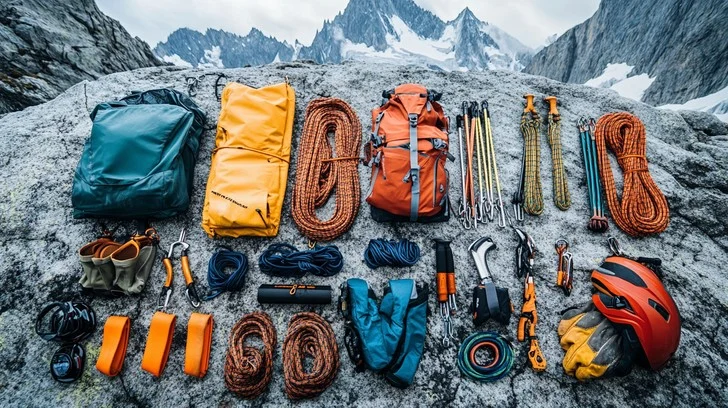
Another important comparison between Trekking and Hiking involves gear requirements.
Hiking Gear
Hiking typically requires:
- Comfortable hiking shoes or boots
- Lightweight backpack
- Water bottle
- Snacks
- Weather-appropriate clothing
- Basic first aid kit
Because hiking is shorter in duration, gear remains minimal and manageable.
Trekking Gear
Trekking requires more comprehensive preparation:
- Sturdy trekking boots
- Large backpack with frame support
- Sleeping bag
- Tent (if camping)
- Cooking equipment
- Water purification system
- Navigation tools
- Extra clothing layers
The longer duration and remote settings of trekking demand additional supplies for safety and self-sufficiency.
Planning and Preparation
Planning requirements vary significantly between Trekking and Hiking.
Hiking often involves choosing a trail, checking weather forecasts, and packing essentials. Many hiking destinations provide detailed maps and safety information.
Trekking requires advanced planning. Trekkers must consider route mapping, altitude changes, food supply, emergency procedures, and sometimes permits. In high-altitude regions, acclimatisation becomes important to prevent altitude sickness.
The complexity of trekking preparation makes it a more structured and committed activity.
Accommodation and Overnight Stay
Hiking generally does not require overnight stays, although some longer hikes may include camping. Most hikers return home or to nearby accommodation the same day.
Trekking almost always involves overnight arrangements. These may include camping in tents, staying in mountain huts, or sleeping in rural guesthouses.
The overnight aspect adds a layer of adventure to trekking that differs from day-based hiking.
Cost Comparison
Cost is a practical and often decisive factor when comparing Trekking and Hiking. While both activities can be adjusted to suit different budgets, the overall financial commitment usually differs. Understanding how expenses vary between Trekking and Hiking helps you plan realistically and avoid unexpected costs.
Hiking: Budget-Friendly and Accessible
Hiking is generally considered low-cost. The main expenses typically include transportation to the trailhead, basic food supplies, and essential gear such as hiking shoes, a backpack, and weather-appropriate clothing. Many hiking trails are located within public parks or open-access nature reserves, where entry fees are minimal or non-existent.
Because Trekking and Hiking differ in duration and complexity, hiking does not usually require overnight accommodation or specialised equipment. Once you invest in basic gear, you can reuse it for multiple hikes. This makes hiking financially accessible for beginners, students, families, and casual outdoor enthusiasts.
Short day hikes also reduce indirect costs. There is no need for multi-day meal planning, extensive travel arrangements, or professional guides in most cases. For those starting their journey into outdoor exploration, hiking offers strong value without significant financial commitment.
Trekking: Higher Investment and Planning Costs
Trekking often involves greater expense. The longer duration and remote environments increase logistical requirements. Trekkers may need advanced equipment such as durable boots, larger backpacks, sleeping bags, tents, water purification systems, and layered clothing suitable for varied climates.
When comparing Trekking and Hiking, trekking may also include permit fees, guide services, porter assistance, and accommodation in mountain huts or campsites. Travel to remote regions can add transportation costs, especially if flights or specialised transfers are required.
High-altitude treks, in particular, may require acclimatisation days and local support teams, increasing overall expenses. While trekking can still be done on a moderate budget with careful planning, it typically demands more financial preparation than hiking.
Accessibility for Beginners
For beginners or those with limited budgets, hiking is generally more accessible financially. It allows newcomers to explore nature without heavy investment. Trekking, while rewarding, often requires both physical and financial readiness.
In the broader comparison of Trekking and Hiking, cost plays a significant role in determining which activity is more suitable at different stages of experience.
Risk Level and Safety
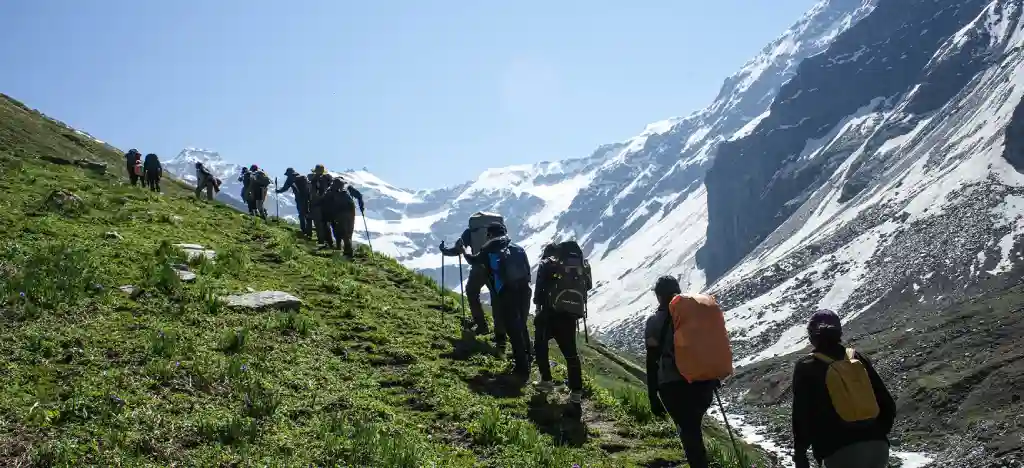
Safety considerations represent another key difference between Trekking and Hiking. While both activities carry some level of risk, the scale and complexity of those risks vary.
Hiking: Controlled and Managed Risks
Hiking trails are often located within managed parks or recreational areas. Many are clearly marked and occasionally patrolled. Emergency services are usually more accessible, and routes are designed to minimise extreme hazards.
Because Trekking and Hiking differ in remoteness, hiking risks tend to remain manageable with basic precautions. Common concerns include minor slips, dehydration, sun exposure, or fatigue. With proper footwear, hydration, and weather awareness, most hiking risks can be controlled effectively.
Additionally, hikers often have the option to shorten their route or return to the starting point if conditions change. This flexibility reduces exposure to prolonged danger.
Trekking: Greater Exposure and Complexity
Trekking carries a higher level of inherent risk due to remote environments and extended duration. Multi-day exposure increases the likelihood of encountering weather changes, physical fatigue, or navigation challenges. In mountainous regions, altitude sickness becomes a potential concern.
When comparing Trekking and Hiking, navigation plays a larger role in trekking safety. Less-defined trails increase the risk of route errors. Emergency response times may also be longer in remote areas.
However, greater risk does not mean trekking is unsafe. With proper preparation, training, and awareness, trekking can be conducted responsibly. It simply requires a higher level of planning and situational awareness.
Preparedness as the Key Factor
The main difference in safety between Trekking and Hiking lies in the degree of preparation required. Hiking generally involves manageable risks that can be addressed with basic gear and planning. Trekking demands more advanced preparation, including route research, weather monitoring, fitness conditioning, and emergency planning.
Choosing between the two activities should involve honest assessment of experience level, physical readiness, and comfort with environmental uncertainty. With the right precautions, both Trekking and Hiking offer safe and fulfilling outdoor experiences.
Mental Experience and Personal Growth
Both Trekking and Hiking provide mental benefits, including stress reduction and clarity. However, trekking often involves deeper psychological endurance.
Hiking offers a refreshing break from routine. It encourages mindfulness and relaxation within a manageable timeframe.
Trekking challenges mental resilience. Multi-day journeys test patience, adaptability, and determination. Completing a trek often provides a strong sense of accomplishment.
Environmental Impact and Responsibility
Both activities require environmental awareness. Staying on marked paths, carrying out waste, and respecting wildlife are essential.
Because trekking covers larger and often fragile landscapes, responsible behaviour becomes even more critical. Sustainable practices ensure these natural areas remain preserved.
Comparison Table: Trekking and Hiking
| Feature | Hiking | Trekking |
|---|---|---|
| Duration | Few hours to one day | Multiple days or weeks |
| Terrain | Marked trails | Remote, rugged terrain |
| Fitness Level | Moderate | High endurance required |
| Equipment | Basic gear | Advanced and extensive gear |
| Overnight Stay | Usually no | Almost always |
| Planning Complexity | Simple | Detailed planning required |
| Cost | Low to moderate | Moderate to high |
| Risk Level | Manageable | Higher due to remoteness |
Who Should Choose Hiking?
Hiking is ideal for:
- Beginners
- Families
- Weekend adventurers
- Fitness enthusiasts
- Casual nature lovers
It is flexible, accessible, and adaptable to various fitness levels.
Who Should Choose Trekking?
Trekking suits:
- Experienced hikers
- Adventure seekers
- Long-term travellers
- High-endurance individuals
- Those seeking remote exploration
It offers deeper immersion and greater physical challenge.
Can Hiking Lead to Trekking?
Many outdoor enthusiasts begin with hiking before advancing to trekking. Hiking builds endurance, confidence, and navigation skills. Over time, longer and more demanding routes become achievable.
Progression from hiking to trekking is natural for those seeking extended challenges.
Must Read:
- Best Time to Travel to Iceland & Top 10 Places for Adventure
- Top Places to Visit in Egypt: Pyramids to Paradise
- Beautiful Places in Cape Town: Full Travel Guide
Final Thoughts:
The difference between Trekking and Hiking lies primarily in duration, intensity, preparation, and terrain. Hiking is typically shorter, more accessible, and suitable for beginners. Trekking involves longer journeys, remote landscapes, and greater endurance demands.
Both activities offer powerful physical and mental benefits. The right choice depends on your goals, fitness level, time availability, and appetite for adventure.
If you are new to outdoor walking, start with hiking. Build strength and experience. When you feel ready for a deeper challenge, consider trekking.
Ultimately, both Trekking and Hiking provide meaningful ways to explore the outdoors, strengthen the body, and reconnect with nature.