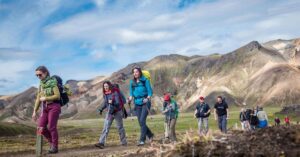
Hiking is one of the simplest yet most rewarding outdoor activities you can experience. If you’ve ever walked along a forest path, climbed a small hill for a better view, or followed a marked trail in a national park, you have already tasted what hiking feels like. Still, many people ask the same question before they begin: what is hiking, really?
At its core, hiking is a long walk taken for pleasure or exercise, usually on natural trails. Unlike a casual stroll in your neighbourhood, hiking often involves uneven terrain, elevation changes, and longer distances. It connects you with landscapes, fresh air, and a slower rhythm of life that feels far removed from daily routines.
For first-time hikers, the idea of stepping into the wild can feel exciting and slightly intimidating. You may wonder about gear, safety, fitness, and trail choices. This guide explains what hiking is and covers six must-know basics to help you start with confidence. By the end, you will understand how to prepare, what to carry, and how to make your first hike both safe and enjoyable.
What Is Hiking?
Hiking is a recreational activity that involves walking in natural environments such as forests, mountains, hills, deserts, or coastal paths. It can be as simple as a two-hour walk on a local trail or as demanding as a full-day trek across rugged terrain. The key difference between hiking and ordinary walking lies in the setting and the challenge.
When people ask what is hiking, they often imagine dramatic mountain landscapes. While mountain hiking is popular, hiking does not require extreme heights. Many trails are flat or gently rolling, designed for beginners and families. The focus is on exploring nature at your own pace.
Hiking can be done alone, with friends, or in organised groups. It does not require expensive equipment to begin, which makes it accessible to most people. All you need is suitable footwear, basic supplies, and an understanding of the trail you plan to follow.
The History and Evolution of Hiking
Long before hiking became a leisure activity, walking long distances in nature was a necessity. Early humans travelled on foot for survival, trade, and exploration. Over time, as cities developed and transportation improved, walking in nature shifted from necessity to recreation.
In the 19th century, hiking gained popularity in Europe and North America. National parks such as Yellowstone National Park were established to protect natural landscapes and encourage outdoor exploration. Hiking clubs formed, trail systems expanded, and marked paths made nature more accessible to the public.
Today, hiking is recognised as both a fitness activity and a form of eco-tourism. It attracts people seeking exercise, mental clarity, adventure, and a break from digital life. The question what is hiking now includes ideas of sustainability, wellness, and mindful travel.
Different Types of Hiking
Understanding what is hiking also means knowing the different forms it can take. Not all hikes are the same.
Day Hiking
Day hiking is the most common type. It involves completing a trail within a single day and returning to your starting point. Beginners often start here because it requires minimal gear and planning.
Trekking
Trekking usually refers to longer, multi-day journeys through remote areas. Trekkers often carry camping equipment and may stay overnight on the trail.
Backpacking
Backpacking combines hiking with camping. Hikers carry everything they need in a backpack, including food and shelter.
Urban Hiking
Urban hiking blends city exploration with long walking routes. While less wild, it still fits the broader answer to what is hiking because it involves extended walking for exploration.
6 Must-Know Basics for First-Time Hikers
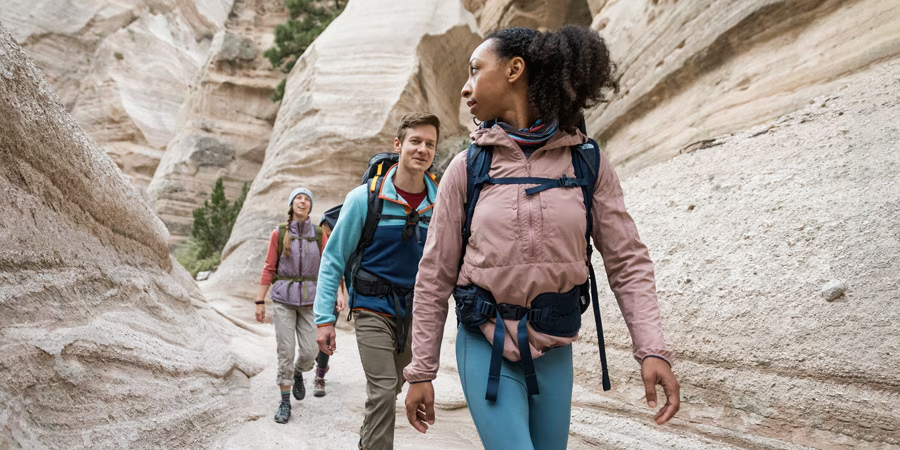
If you are new and asking what is hiking and how do I start, these six fundamentals will guide you.
1. Choose the Right Trail
Your first hike should match your fitness level. Beginners often make the mistake of selecting a trail that is too long or steep.
What to Look For:
- Distance under 8 kilometres
- Low elevation gain
- Clearly marked paths
- Good online reviews
Research local trails in advance. Many parks provide detailed descriptions, including terrain, estimated time, and difficulty ratings. Start small. A successful short hike builds confidence and prepares you for more challenging routes.
When thinking about what is hiking for a beginner, remember that enjoyment matters more than difficulty. A scenic, easy trail is better than a demanding one that leaves you exhausted.
2. Wear Proper Footwear
Footwear is one of the most important factors in hiking comfort and safety.
Why Hiking Boots Matter
Unlike regular trainers, hiking boots offer:
- Ankle support
- Better grip
- Protection from rocks and roots
- Water resistance
For short and easy trails, sturdy walking shoes may be enough. For rocky or uneven terrain, proper hiking boots are recommended. Make sure your footwear is broken in before a long hike to avoid blisters.
Understanding what is hiking includes recognising that terrain can change quickly. Mud, loose gravel, and wet leaves require reliable traction.
3. Pack Smart and Light
Overpacking makes hiking harder. Underpacking can make it unsafe. The goal is balance.
Essential Items for Beginners:
- Water (at least 1 litre for short hikes)
- Snacks (nuts, fruit, energy bars)
- Basic first aid kit
- Map or GPS app
- Sunscreen
- Hat
- Light rain jacket
These basics answer part of the question what is hiking preparation. Hiking means being self-reliant. Even on short trails, conditions can change.
Carry your items in a comfortable backpack with padded straps. Adjust the fit so weight sits evenly on your shoulders and hips.
4. Dress for the Weather
Weather can shift quickly, especially in hills or mountains.
Layering System:
- Base layer (moisture-wicking)
- Insulating layer (fleece or light jacket)
- Outer layer (waterproof or windproof)
Avoid cotton clothing. It holds moisture and can cause discomfort in cold conditions. Breathable fabrics keep you dry and regulate temperature.
If you are still wondering what is hiking in practical terms, it often means preparing for unexpected changes. Even sunny mornings can turn windy or rainy by afternoon.
5. Understand Basic Trail Safety
Safety is central to what is hiking.
Safety Tips:
- Tell someone where you are going
- Check weather forecasts
- Stay on marked trails
- Carry enough water
- Turn back if tired
Wildlife encounters are rare but possible. Keep a respectful distance from animals and avoid feeding them.
If you hike in protected areas such as Lake District National Park, follow park guidelines. Respect local regulations and environmental rules.
6. Follow Leave No Trace Principles
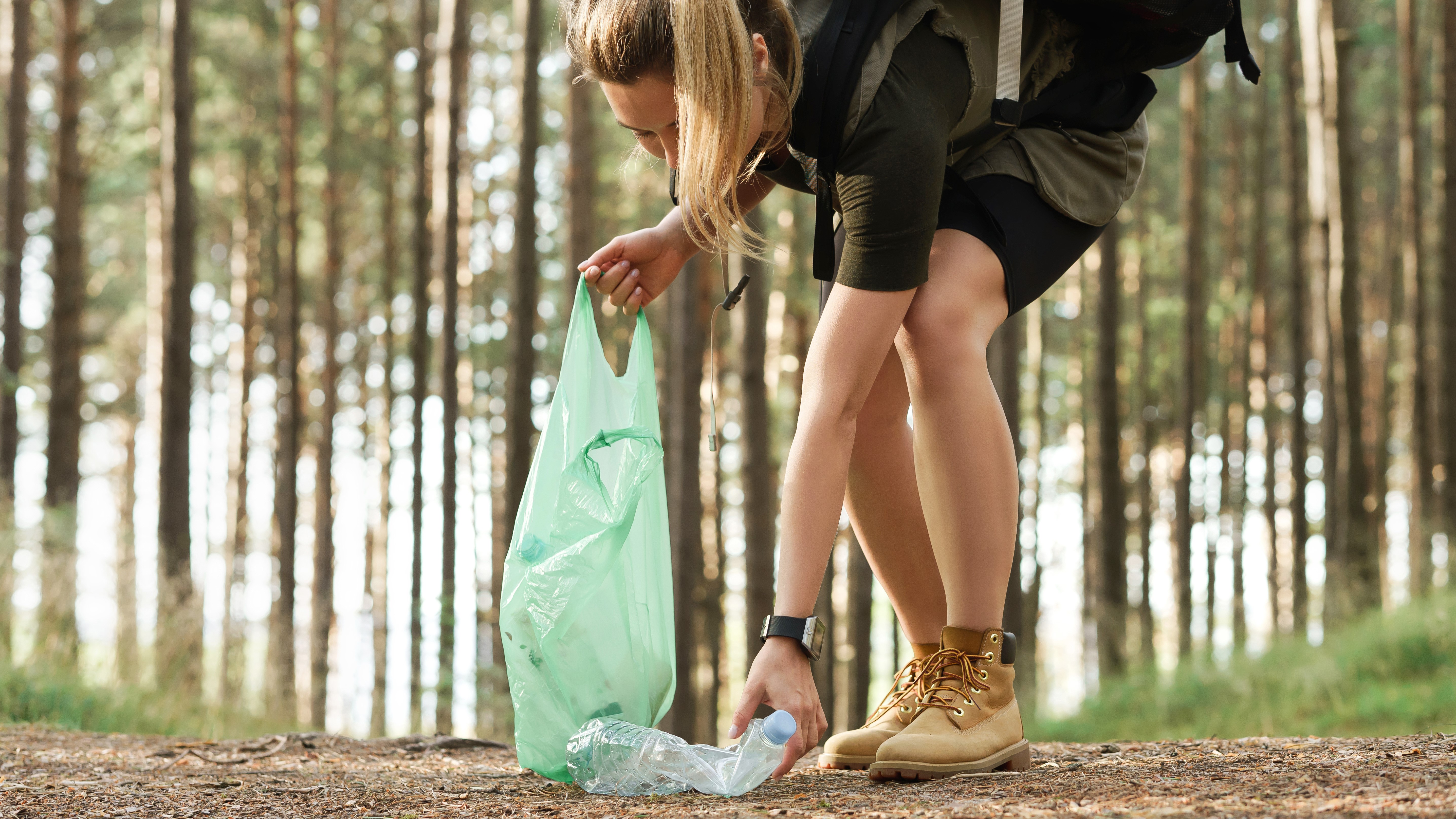
Hiking connects you with nature, but it also carries responsibility.
Leave No Trace Basics:
- Pack out all rubbish
- Stay on trails
- Do not disturb wildlife
- Avoid picking plants
- Minimise campfire impact
When defining what is hiking in the modern world, environmental awareness plays a key role. Trails remain beautiful only if hikers protect them.
Physical and Mental Benefits of Hiking
Hiking offers a powerful combination of physical conditioning and mental restoration. It is one of the few activities that strengthens the body while calming the mind at the same time. Whether you choose an easy forest trail or a gradual hillside path, the consistent movement and natural surroundings work together to support overall wellbeing. For many beginners exploring what is hiking beyond a casual outdoor walk, the physical and mental rewards often become the main reason they continue.
Cardiovascular Strength and Heart Health
Hiking is excellent for improving heart health. Walking uphill increases your heart rate in a steady and controlled way, which strengthens the cardiovascular system. Over time, this can help improve circulation, support healthy blood pressure levels, and increase lung capacity. Unlike high-intensity workouts that may feel overwhelming, hiking allows you to control your pace. You can slow down on steeper sections and maintain a comfortable rhythm on flatter paths.
Because trails naturally vary in incline and surface, your heart and lungs adapt to different levels of effort. This gradual challenge builds stamina safely. For anyone asking what is hiking in terms of long-term fitness, it is a sustainable way to enhance endurance without putting excessive strain on the body.
Muscle Tone and Functional Strength
Hiking strengthens more than just the legs. While your calves, hamstrings, and quadriceps work hard during climbs, uneven terrain also activates stabilising muscles in your ankles and hips. These smaller muscles are essential for balance and injury prevention. Descending slopes engages the core and improves coordination as your body adjusts to gravity and shifting surfaces.
If you carry a backpack, even a light one, your shoulders and upper back become more engaged. Over time, this builds functional strength that supports everyday movements. For beginners learning what is hiking from a physical perspective, it becomes clear that it is a practical form of exercise that builds real-world resilience rather than isolated muscle size.
Weight Management and Metabolism
Hiking burns calories steadily, especially on longer or hillier routes. The combination of sustained movement and natural resistance from elevation increases energy expenditure. Regular hiking can support healthy weight management and improve metabolic efficiency.
Unlike indoor exercise routines that may feel repetitive, hiking encourages consistency because it feels purposeful. You are not just exercising; you are exploring. That sense of exploration often makes it easier to maintain an active lifestyle.
Stress Reduction and Mental Clarity
The mental benefits of hiking are equally significant. Time spent in natural surroundings has been shown to reduce stress levels and promote relaxation. The sound of wind through trees, birds calling in the distance, and the rhythm of footsteps on a trail create a calming sensory experience.
Many hikers report improved focus and clearer thinking after spending time outdoors. Stepping away from screens and daily pressures allows the mind to reset. When people ask what is hiking beyond physical effort, the answer often includes emotional balance and improved mental clarity.
A Form of Moving Meditation
Hiking naturally encourages mindfulness. The steady pace of walking, combined with attention to your surroundings, creates a meditative rhythm. You become aware of your breathing, the texture of the ground, and the changing scenery. This awareness draws attention away from distractions and towards the present moment.
For many, hiking becomes a form of moving meditation. It provides space for reflection without forcing stillness. In this sense, what is hiking is not just a physical journey across landscapes but also a quiet journey within yourself.
How to Prepare for Your First Hike
Preparation improves confidence.
Step-by-Step Plan:
- Choose a beginner-friendly trail
- Check weather forecast
- Pack essentials
- Wear comfortable clothing
- Start early in the day
- Maintain steady pace
Stretch before and after your hike. Drink water regularly, even if you do not feel thirsty.
If you live near areas such as Yosemite National Park, you will find clearly marked beginner trails suitable for first-time hikers.
Common Mistakes First-Time Hikers Make
Understanding what is hiking also means knowing what not to do.
Frequent Errors:
- Starting with difficult trails
- Ignoring weather conditions
- Wearing inappropriate shoes
- Not carrying enough water
- Hiking without informing anyone
Learning from these mistakes prevents discomfort and danger.
Hiking Etiquette for Beginners
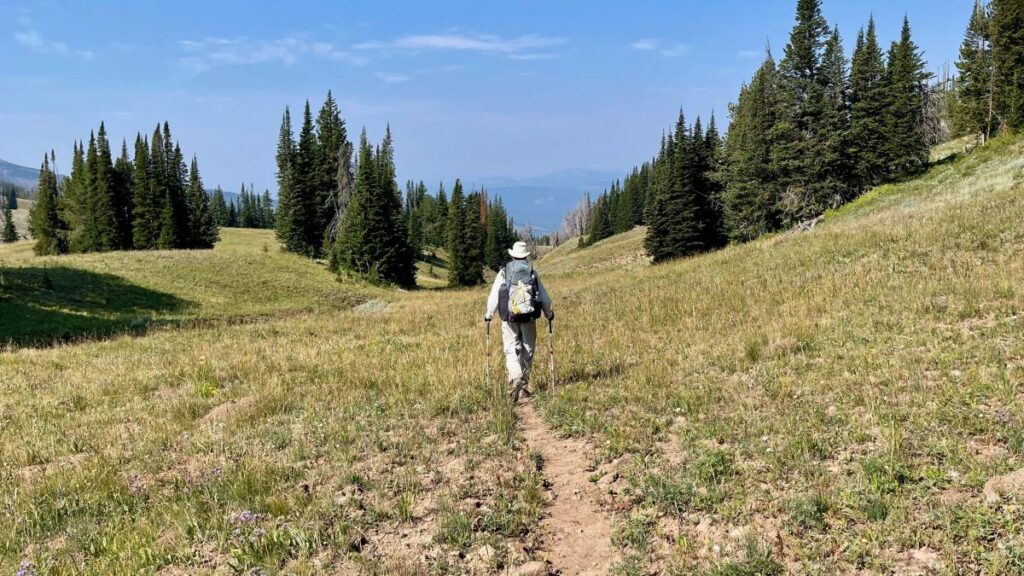
Hiking trails are shared spaces.
Basic Etiquette:
- Yield to uphill hikers
- Step aside for faster walkers
- Keep noise low
- Keep pets controlled
- Greet others politely
Respect enhances the hiking experience for everyone.
How Hiking Differs from Trekking and Walking
People often confuse these terms.
| Activity | Distance | Terrain | Duration | Equipment |
|---|---|---|---|---|
| Walking | Short | Urban/flat | 30–60 min | Minimal |
| Hiking | Moderate | Natural trails | 2–8 hours | Basic gear |
| Trekking | Long | Remote/varied | Multi-day | Advanced gear |
When defining what is hiking, remember it sits between casual walking and demanding trekking.
Building Hiking Fitness
You do not need to be an athlete to start hiking. Begin with shorter distances and increase gradually.
Training Tips:
- Walk regularly
- Use stairs for leg strength
- Practice carrying light backpack
- Stretch to improve flexibility
Consistency builds stamina over time.
Hiking with Friends or Solo?
Both options have benefits.
Hiking with friends offers shared motivation and safety. Solo hiking provides solitude and self-reflection. Beginners often feel more comfortable starting with a partner.
Whichever you choose, understanding what is hiking includes recognising personal comfort levels.
Final Thoughts:
So, what is hiking? It is more than walking in nature. It is a practical skill, a fitness activity, a stress reliever, and a gateway to outdoor adventure. Hiking offers simplicity in a world that often feels rushed.
For first-time hikers, preparation makes all the difference. Choose the right trail, wear suitable footwear, pack essentials, dress wisely, prioritise safety, and respect the environment. These six basics form a strong foundation.
Hiking does not require perfection. It requires curiosity and a willingness to step outside. Start small, learn as you go, and let each trail teach you something new. Your first hike may begin with uncertainty, but it often ends with confidence and a desire to explore further.
Must Read:
- Top Group Hiking and Adventure Tours Around the World
- Trekking Trails in Thailand: Best Routes for Every Adventure
- What is the Difference Between Trekking and Hiking?
FAQs
What is hiking and why is it good for beginners?
Hiking is a simple outdoor activity that involves walking in natural settings like forests, hills, or mountains. It’s great for beginners because it doesn’t require expensive gear or advanced skills just a basic fitness level and a willingness to explore.
How do I choose the right trail as a beginner hiker?
Start with well-marked, low-elevation trails. Use apps like AllTrails or Komoot to filter hikes by difficulty. Choose shorter distances to build confidence and always check trail conditions and weather before you go.
What should I wear when hiking for the first time?
Wear breathable, moisture-wicking clothes to stay comfortable. Avoid cotton. Choose lightweight hiking shoes or boots that support your feet and ankles. Dress in layers so you can adjust to the weather.
What are the must-have items to carry on a hike?
Carry water (at least 1 litre per 2 hours of hiking), snacks, a first-aid kit, sunscreen, a map or GPS device, a light rain jacket, and a fully charged phone. Keep your pack light with only essentials.
How can I stay safe while hiking alone?
Tell someone your plan and expected return time. Stick to popular trails, carry a whistle and a map, and know your limits. Avoid hiking in bad weather and always be aware of trail signs and surroundings.
Why is trail etiquette important in hiking?
What Is Hiking? It’s more than walking it’s respecting nature. Stay on marked trails, carry out your rubbish, yield to uphill hikers, and leash pets. Observe wildlife from a distance and avoid feeding them. Good trail manners make hiking better for everyone.