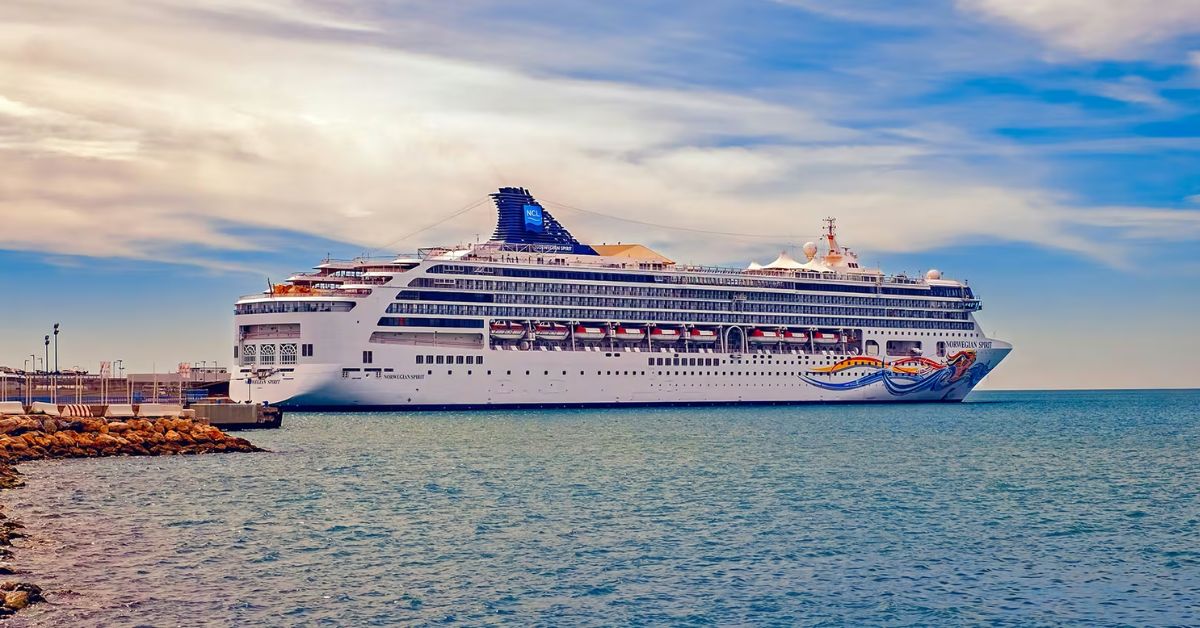

- Direct mainland to island crossings
- Transport cars campervans and motorcycles
- Comfortable cabins for long journeys
- Scenic Atlantic voyage experience
Travelling by Spain to Canary Islands ferry is not just transport. It is a slow, scenic journey across the Atlantic that turns travel time into part of the holiday. While flights are faster, ferries offer flexibility, vehicle transport, and a unique sea experience that many travellers value.
The Canary Islands sit off the northwest coast of Africa but are part of Spain. Because of this, ferry connections operate between mainland Spain and the archipelago. Many travellers choose this route when relocating, moving vehicles, planning long stays, or simply preferring sea travel over air.
This complete guide covers everything you need to know about Spain to Canary Islands ferry travel. You will learn about routes, ferry operators, ticket types, cabins, prices, travel time, booking steps, and practical tips. By the end, you will know exactly how to plan your crossing confidently.
Why Choose a Spain to Canary Islands Ferry?
Flying is quicker, but ferry travel offers advantages that flights cannot match.
Key Benefits of Ferry Travel
- Ability to transport your own vehicle
- Generous luggage allowance
- Comfortable cabins for overnight journeys
- Relaxed travel experience
- Scenic Atlantic views
For travellers relocating or staying long term, bringing a car can save money on rentals. Spain to Canary Islands ferry crossings allow vehicles including cars, campervans, and motorcycles.
Sea travel also provides a slower, more relaxed atmosphere compared to airports.
Main Ferry Routes from Mainland Spain
Most Spain to Canary Islands ferry departures operate from southern Spain.
Cádiz to Canary Islands
Cádiz is one of the primary mainland departure ports. Ferries from Cádiz sail to major islands including:
- Las Palmas de Gran Canaria
- Santa Cruz de Tenerife
The journey typically takes around 36 to 40 hours depending on route and sea conditions.
Huelva to Canary Islands
Huelva also offers connections to the Canary Islands. This route is often used by travellers transporting vehicles.
Spain to Canary Islands ferry schedules usually operate weekly or several times per week depending on season.
Ferry Operators Serving the Route
The primary operator on this long distance route is:
- Naviera Armas Trasmediterránea
This company operates large vessels designed for both passengers and freight transport.
Operator Features
- Multiple cabin categories
- Onboard restaurants and lounges
- Vehicle loading facilities
- Long distance comfort amenities
When booking Spain to Canary Islands ferry tickets, always check which island your ferry arrives at first, as some sailings stop at multiple islands.
Travel Duration and What to Expect
Crossings are long distance, usually between 36 and 48 hours depending on stops.
Typical Schedule
- Afternoon departure from mainland
- Two night crossing
- Arrival the following day or next
Because of the long duration, cabins are highly recommended.
Onboard Experience
- Private cabins with beds
- Cafeteria and dining areas
- Outdoor decks
- Relaxation lounges
- Children’s play areas
Spain to Canary Islands ferry journeys feel more like mini cruises than simple transport.
Ticket Types and Cabin Options

Ticket choice significantly impacts comfort.
Standard Seating
- Budget friendly
- Access to lounges
- Suitable for travellers on tight budget
Shared Cabin
- Beds in shared room
- More privacy than lounge seating
- Mid range pricing
Private Cabin
- Ensuite options available
- Comfortable beds
- Best choice for long crossings
Vehicle Tickets
- Cars
- Campervans
- Motorcycles
- Freight vehicles
For journeys over 36 hours, a private cabin is strongly recommended.
Estimated Pricing Guide
Prices vary depending on season, cabin type, and vehicle size.
| Ticket Type | Approximate Cost Range |
|---|---|
| Seat Only | Lower range |
| Shared Cabin | Moderate |
| Private Cabin | Higher |
| Car Transport | Additional fee |
| Campervan | Higher vehicle fee |
Peak travel periods such as summer holidays increase demand.
Booking Spain to Canary Islands ferry tickets early can help secure preferred cabin types.
How to Book Spain to Canary Islands Ferry?
Booking a Spain to Canary Islands ferry is simple once you understand the process, but it requires careful planning. Unlike short coastal ferry routes that operate several times per day, these long distance Atlantic crossings usually run only a few times per week. That means planning ahead is essential, especially if you are travelling with a vehicle or need a specific cabin type.
Below is a detailed step by step guide to help you complete your booking smoothly and avoid common mistakes.
1. Select Departure Port and Destination Island
The first step is choosing your mainland departure port. Most crossings operate from Cádiz or Huelva. Both ports connect to major Canary Islands such as Las Palmas de Gran Canaria and Santa Cruz de Tenerife.
Before selecting your route, confirm:
- Which island you want to arrive at first
- Whether the ferry stops at multiple islands
- The exact arrival port on the island
- Travel distance from port to your accommodation
Some sailings may stop at one island before continuing to another, which can affect total travel time. Always check the full itinerary before confirming.
2. Choose Travel Date
After selecting your route, choose your preferred departure date. Because Spain to Canary Islands ferry crossings are long distance, sailings are less frequent than short ferry routes. It is important to verify availability early.
If you are travelling during summer holidays or major public holidays, book several weeks in advance. Vehicle spaces and private cabins can sell out quickly. If your schedule allows flexibility, compare multiple departure dates to find the most convenient option.
Also consider arrival timing. Many ferries depart in the afternoon and arrive one or two days later. Make sure arrival time aligns with hotel check in or onward travel plans.
3. Enter Passenger Details
Next, enter accurate passenger information. This usually includes:
- Full legal name
- Date of birth
- Identification or passport number
- Contact email and phone number
Ensure names match official identification exactly. Incorrect details can cause check in delays or ticket amendments that involve fees.
If travelling with children or infants, include them in the booking even if their fare is reduced. Passenger counts must match boarding records for safety reasons.
4. Add Vehicle Information if Required
One of the biggest advantages of Spain to Canary Islands ferry travel is the ability to transport vehicles. If you are bringing a car, campervan, or motorbike, you must provide detailed vehicle information.
Typically required details include:
- Vehicle type
- Length
- Height
- Trailer or roof attachments
- License plate number
Accuracy is critical. Ferry operators allocate vehicle deck space based on the measurements you provide. Underestimating size can create boarding issues or additional charges at the port.
Campervans and large vehicles are particularly popular on this route. If you are relocating or planning extended travel, secure vehicle space early.
5. Select Seating or Cabin Category
Since the crossing usually takes 36 to 48 hours, your choice of accommodation on board matters significantly.
Common options include:
- Standard lounge seating
- Shared interior cabins
- Private interior cabins
- Private exterior cabins with window
- Ensuite cabins
For journeys of this length, a private cabin is strongly recommended. It provides a bed, privacy, and space to rest comfortably. If travelling overnight, a cabin transforms the crossing into a relaxed experience rather than a long wait in a public lounge.
Families often prefer cabins for privacy and convenience. Budget travellers sometimes choose lounge seating, but comfort can be limited over extended hours.
6. Review Fare Conditions
Before completing payment, carefully review fare conditions. Spain to Canary Islands ferry tickets may come with different fare types such as:
- Saver fares with strict change policies
- Flexible fares allowing modifications
- Refundable options
- Non refundable options
Lower priced tickets may restrict cancellations or date changes. If your travel plans are uncertain, selecting a flexible fare may provide peace of mind.
Check cancellation deadlines, change fees, and refund timelines before confirming.
7. Complete Secure Payment
Once all details are confirmed, proceed to payment. Most ferry operators accept:
- Credit cards
- Debit cards
- Online payment platforms
Before clicking confirm, double check:
- Departure and arrival ports
- Travel date
- Passenger names
- Vehicle details
- Cabin type
- Total cost including taxes
Taking a few extra minutes at this stage can prevent costly corrections later.
8. Receive Booking Confirmation
After successful payment, you will receive a confirmation email with your booking reference. This document includes:
- Boarding instructions
- Check in time
- Terminal address
- Cabin or seating allocation
- Vehicle check in procedure
Keep this confirmation accessible on your phone and consider printing a copy. Vehicle travellers are usually required to arrive at least 90 minutes before departure for loading procedures.
Advance Planning Is Essential
Spain to Canary Islands ferry bookings require more preparation than short distance ferry trips. Because sailings are limited and travel time is long, availability can fill quickly.
To ensure a smooth experience:
- Book at least two to four weeks in advance during peak season
- Choose a cabin for comfort
- Measure your vehicle accurately
- Allow buffer time before and after arrival
- Monitor email for schedule updates
The Spain to Canary Islands ferry journey is not just transport. It is part of your travel experience. With proper planning, your crossing across the Atlantic becomes comfortable, organised, and memorable from the moment you complete your booking.
Best Time to Travel by Ferry
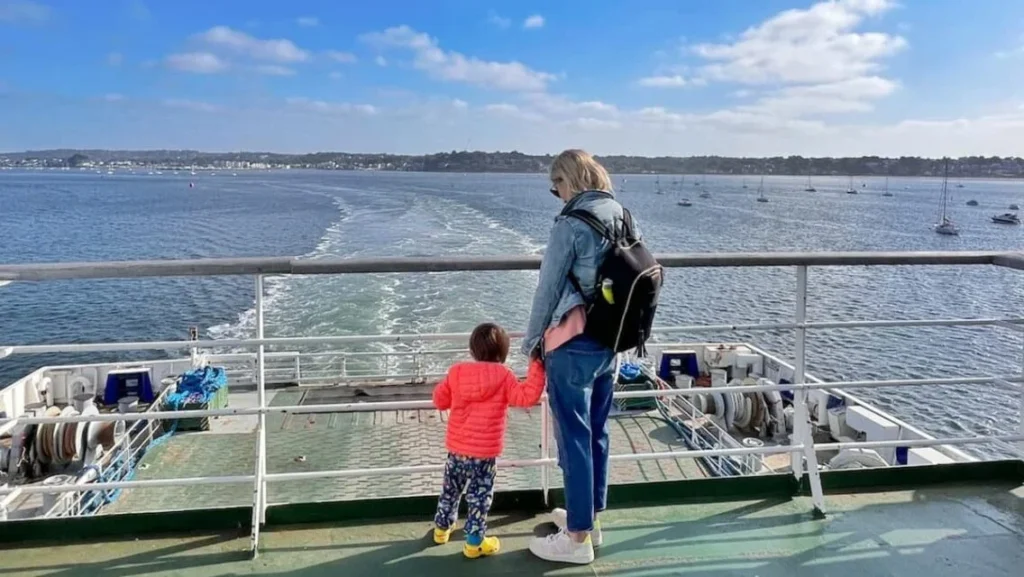
Choosing the right time for your Spain to Canary Islands ferry journey can affect pricing, availability, and overall comfort. The Canary Islands enjoy a mild climate throughout the year, but demand patterns change depending on season, holidays, and weather conditions in mainland Spain.
High Season
High season generally runs from June to September. This period includes:
- Summer holidays
- School vacation months
- Increased tourist traffic
During high season, ferry demand rises significantly. Families, road trippers, and long stay travellers often book vehicle transport and cabins well in advance. Private cabins can sell out quickly, especially on sailings from Cádiz and Huelva.
If travelling during this period, book your Spain to Canary Islands ferry several weeks ahead. Early booking ensures better cabin choice and smoother planning.
Shoulder Season
Spring and autumn are considered shoulder seasons. These months offer:
- Pleasant temperatures
- Fewer crowds
- Balanced pricing
- Good cabin availability
Shoulder season is ideal for travellers who prefer moderate weather and lower stress levels at ports. Sea conditions are often stable, and ferry availability is generally better than peak summer.
Many experienced travellers prefer spring or autumn crossings for comfort and pricing balance.
Winter Travel
Winter months see reduced tourist traffic in mainland Spain but steady demand for the Canary Islands due to their mild climate. Benefits of winter ferry travel include:
- Lower tourist volume
- Easier cabin availability
- Competitive pricing
The Canary Islands maintain warm temperatures year round, making them attractive during colder European winters. Ferry crossings remain available, though schedules may operate fewer weekly sailings.
The Canary Islands enjoy warm weather throughout the year, which makes Spain to Canary Islands ferry travel appealing even in winter. Planning according to your schedule and comfort preferences ensures a smooth and enjoyable journey.
Travel Tips for a Smooth Crossing
Preparation ensures comfort on long sea journeys.
Practical Advice
- Arrive at port at least 90 minutes early
- Carry valid identification
- Pack essentials in carry on bag
- Bring entertainment for long crossing
- Confirm vehicle measurements accurately
Spain to Canary Islands ferry terminals may require early check in for vehicle loading.
Pros and Cons of Spain to Canary Islands Ferry
Pros
- Transport your own vehicle
- Relaxed pace of travel
- Scenic Atlantic journey
- Generous baggage limits
Cons
- Long travel time
- Weather dependent
- Limited weekly departures
For travellers prioritising flexibility and vehicle transport, ferry travel remains an excellent option.
Who Should Choose Ferry Over Flight?
Spain to Canary Islands ferry travel suits:
- Long term visitors
- Relocating residents
- Campervan travellers
- Budget travellers with heavy luggage
- Those avoiding flight travel
Flights are faster, but ferries provide freedom and flexibility.
Final Thoughts:
The Spain to Canary Islands ferry offers a unique travel experience that blends practicality with adventure. While flights take only a few hours, ferry travel allows you to bring your vehicle, pack freely, and enjoy the open sea.
Planning ahead is essential. Choose the correct departure port, select a comfortable cabin, and review sailing schedules carefully. For long distance crossings, comfort matters.
Whether you are relocating, travelling with a campervan, or simply seeking a slower pace of travel, Spain to Canary Islands ferry journeys provide a memorable way to reach this stunning Atlantic archipelago.
Must Read:
- Travel Smart with Green Ocean Ferry Booking Today
- Book Greek Ferry Routes For The Islands
- Andaman Ferry Booking Online: Routes, Prices & Tips
FAQs:
1. How long does the ferry take from Spain to Canary Islands?
Most crossings take between 36 and 48 hours.
2. Can I take my car on the ferry?
Yes, vehicles including cars and campervans are allowed.
3. Is a cabin necessary?
For long crossings, cabins are strongly recommended for comfort.
4. How often do ferries operate?
Typically several times per week depending on season.
5. Is the journey safe?
Yes, ferries operate under Spanish maritime regulations.
6. When should I book tickets?
Book at least two to four weeks in advance during peak travel season.
- Weekly sailings from southern Spain
- Flexible cabin and seating options
- Generous luggage allowance included
- Ideal for relocation or road trips