Switzerland is often considered one of the more expensive destinations in Europe, but the actual cost of a Switzerland trip depends heavily on your travel style, destination, season, accommodation, transportation, and daily activities. If you are planning a vacation to Switzerland for the first time, understanding typical expenses can help you create a realistic budget and avoid unexpected costs.
The country is famous for the Swiss Alps, scenic train journeys, mountain villages, lakes, chocolate, cheese, historic cities, and beautiful landscapes. Places such as Zurich, Geneva, Lucerne, Interlaken, Zermatt, and Grindelwald attract travelers throughout the year. While Switzerland offers luxury hotels, fine dining, private tours, and premium mountain experiences, it is also possible to plan a more moderate trip by choosing practical accommodation, using public transportation, preparing some meals, and selecting activities carefully.
So, is Switzerland expensive for tourists? Yes, Switzerland can be expensive compared with many other European destinations, but careful planning can make a Switzerland vacation more manageable. You do not need to eliminate enjoyable experiences. Instead, focus on understanding where costs are highest and decide which experiences are worth including in your budget.
Why Is Switzerland Expensive for Tourists?
Several factors contribute to Switzerland's relatively high travel costs. Accommodation, restaurants, transportation, and mountain activities can all take a significant portion of a travel budget.
High Accommodation Costs
Hotels in popular Swiss destinations can be expensive, particularly during peak travel periods. Rooms in central locations and mountain resorts often command higher prices because of strong tourist demand and limited accommodation.
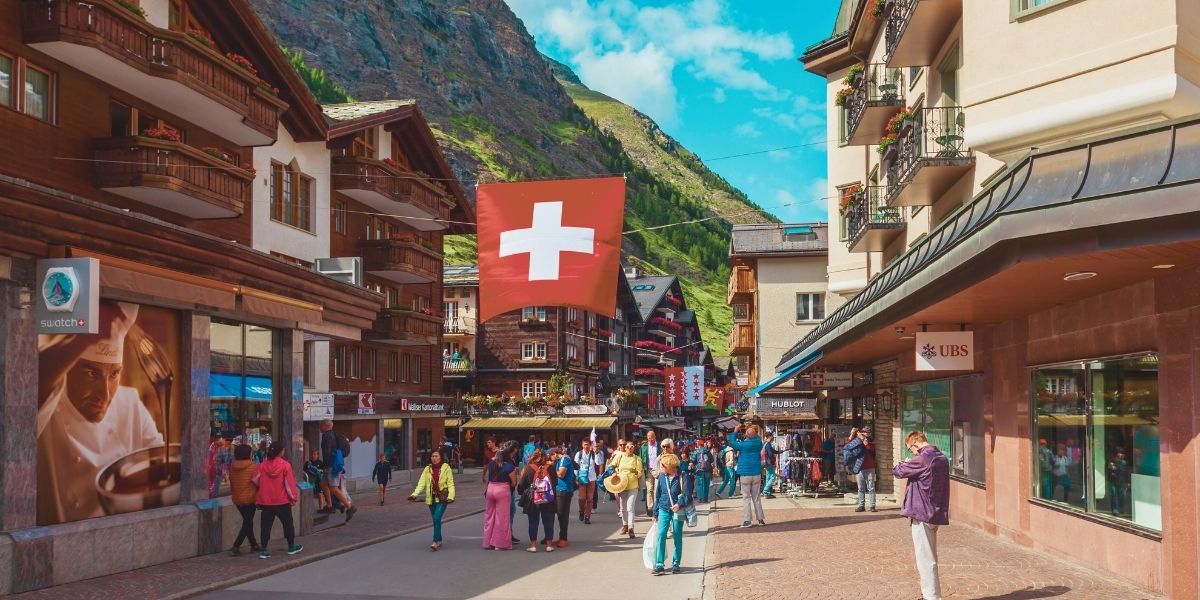
Zurich and Geneva can be expensive for business and leisure travelers, while mountain destinations such as Zermatt and Grindelwald can also have high accommodation costs.
Expensive Restaurants
Eating out in Switzerland can cost more than eating in many other European countries.
A casual restaurant meal can still represent a noticeable expense, while fine dining and restaurants in major tourist areas can cost substantially more.
Mountain Attractions Cost More
Many of Switzerland's most famous experiences involve mountains, cable cars, funiculars, scenic trains, and organized excursions.
These experiences can become one of the biggest parts of your Switzerland travel budget.
The good news is that Switzerland also has many free outdoor experiences, including hiking trails, lakeside walks, viewpoints, historic streets, and public spaces.
How Much Does a Switzerland Trip Cost?
There is no single Switzerland travel budget that works for everyone. A backpacker, moderate traveler, and luxury traveler can have completely different expenses.
As a broad planning guide, a traveler might consider the following daily ranges, excluding international flights:
- Budget travel: approximately CHF 80 to CHF 140 per person
- Moderate travel: approximately CHF 150 to CHF 300 per person
- Luxury travel: CHF 350 or more per person
These are general planning ranges rather than fixed prices. Actual costs can vary significantly depending on the destination, season, accommodation, transportation, activities, and exchange rates.
What Does a Moderate Switzerland Budget Include?
A moderate travel budget may include:
- Comfortable hotel accommodation
- Public transportation
- Local restaurants and cafés
- Some supermarket meals
- Paid attractions
- Mountain excursions
- Basic shopping
- Travel insurance
- Snacks and drinks
If you plan expensive mountain excursions every day, your spending can rise quickly.
Switzerland Hotel Prices
Accommodation is usually one of the biggest expenses when visiting Switzerland.
The price of your hotel can vary according to the city, location, season, room type, and proximity to major attractions or train stations.
Budget Accommodation
Budget accommodation includes hostels, simple guesthouses, and basic hotels.
Prices vary considerably by destination and season. In expensive tourist areas, even basic accommodation can cost more than travelers expect.
If you are comfortable with shared facilities, hostels can reduce accommodation costs.
Mid-Range Hotels
Mid-range hotels can provide a comfortable balance between price and convenience.
When choosing a hotel, do not focus only on the room rate.
Check whether the property includes:
- Breakfast
- Wi-Fi
- Local transportation benefits
- Parking
- City taxes
- Cancellation options
A hotel farther from the center may have a lower price but require additional transportation spending.
Luxury Hotels
Switzerland has a large luxury hotel market, especially in resort destinations and major cities.
Luxury hotels can include mountain views, spas, premium restaurants, concierge services, and other amenities.
These properties can significantly increase the cost of a Switzerland vacation.
Food Costs in Switzerland
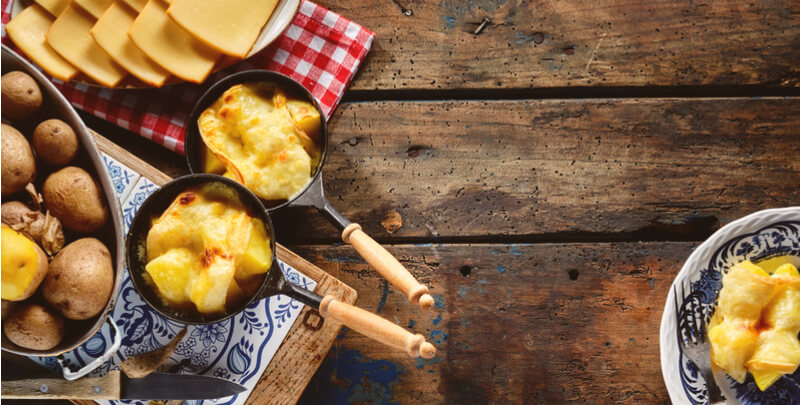
Food is another major expense for tourists.
Switzerland has excellent food, but restaurant prices can be high compared with many European destinations.
Eating at Restaurants
A meal at a casual restaurant may cost around CHF 20 to CHF 35 or more per person, while meals at mid-range restaurants can cost considerably more.
Prices are often higher in central tourist areas and popular mountain destinations.
Swiss Supermarkets
Supermarkets can be useful for travelers who want to control food expenses.
You can purchase:
- Bread
- Cheese
- Fruit
- Yogurt
- Sandwiches
- Salads
- Snacks
- Drinks
Having a supermarket breakfast or lunch occasionally can reduce daily food costs.
Bakeries and Cafés
Bakeries can provide convenient breakfast and snack options.
A pastry, sandwich, coffee, or other simple meal can be more affordable than sitting down for a full restaurant meal.
Switzerland Transportation Costs
Transportation is an important part of planning a Switzerland trip.
The country has an extensive public transportation network, including trains, buses, boats, cable cars, and mountain railways.
Swiss Trains
Swiss trains are famous for their reliability, scenic routes, and extensive coverage.
Train travel can be expensive when you add multiple long-distance journeys, but it can also be one of the easiest ways to explore the country.
Popular routes connect cities and tourist destinations across Switzerland.
Local Buses and Trams
Cities such as Zurich, Geneva, Bern, and Basel have public transportation networks that can make getting around easier.
Using public transportation instead of taxis can help reduce your daily travel expenses.
Taxis
Taxis are generally more expensive than public transportation.
Use them selectively, particularly when traveling late at night, carrying large amounts of luggage, or reaching destinations where public transportation is inconvenient.
Is the Swiss Travel Pass Worth It?
The Swiss Travel Pass is designed for travelers who want to use Switzerland's public transportation network and receive certain additional benefits.
However, it is not automatically the cheapest option for every trip.
Compare the Cost Before Buying
Before purchasing a pass, calculate your expected transportation costs.
Consider:
- Number of train journeys
- Long-distance routes
- Local transportation
- Boat trips
- Mountain excursions
- Museum visits
- Travel duration
If you plan to use public transportation frequently, a pass may provide useful convenience and value. If you have a short itinerary with limited train travel, individual tickets or other fare options may be more suitable.
Check the current official conditions before purchasing because pass benefits and prices can change.
Mountain Excursion Costs
Mountain experiences are among the most memorable parts of Switzerland, but they can also be expensive.
Popular mountain destinations include:
- Jungfraujoch
- Mount Titlis
- Mount Pilatus
- Gornergrat
- Grindelwald
- Zermatt
- First
Cable Cars and Mountain Railways
Cable cars, gondolas, funiculars, and mountain trains can cost significantly more than ordinary city transportation.
If your budget is limited, you do not need to visit every famous mountain attraction.
Choose one or two experiences that are most important to you.
Hiking Can Reduce Costs
Switzerland has an extensive network of hiking routes.
Many trails provide spectacular scenery without requiring expensive tickets.
However, always check trail conditions, weather, seasonal closures, and your own ability before starting a hike.
Is Zurich Expensive for Tourists?
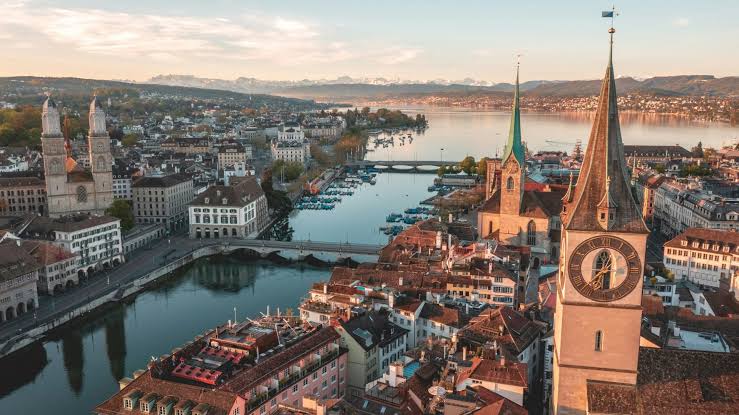
Zurich is one of Switzerland's major cities and an important international financial center.
Zurich Travel Costs
Accommodation, restaurants, and some services can be expensive.
However, travelers can manage costs by staying outside the most expensive central areas, using public transportation, buying food from supermarkets, and taking advantage of free outdoor attractions.
Lake Zurich, public parks, walking areas, and historic streets provide opportunities to enjoy the city without paying for every activity.
Is Geneva Expensive for Tourists?
Geneva is another expensive Swiss city, particularly for accommodation and dining.
How to Save Money in Geneva
Use public transportation, compare hotel locations, and consider purchasing breakfast from a supermarket or bakery.
Geneva also offers outdoor attractions and lakeside experiences that do not require expensive admission fees.
Is Lucerne Expensive?
Lucerne is one of Switzerland's most popular tourist destinations because of its lake, historic center, mountain access, and scenic surroundings.
Lucerne Accommodation Can Be Costly
Hotels in central Lucerne can be expensive during busy periods.
Staying slightly outside the historic center while remaining near a train or bus connection can provide more accommodation choices.
Lucerne is also an excellent base for several nearby mountain excursions, but these can increase your daily spending.
Is Interlaken Expensive?
Interlaken is popular with travelers because it provides access to the Jungfrau region and numerous outdoor activities.
Plan Your Interlaken Activities Carefully
Adventure activities such as paragliding, canyoning, skydiving, and mountain excursions can increase your travel budget significantly.
If you want a more affordable experience, explore the lakes, hiking trails, villages, and surrounding scenery.
Is Zermatt Expensive?
Zermatt is a famous mountain resort known for the Matterhorn.
Accommodation and Mountain Activities
Because of its location and popularity, accommodation in Zermatt can be expensive.
Mountain transportation and excursions can also add significantly to the cost.
If the Matterhorn is a priority, research accommodation and transportation early.
How to Save Money on a Switzerland Trip
Switzerland can be expensive, but there are several ways to manage your travel costs.
Travel During the Shoulder Season
Peak periods can increase hotel and transportation demand.
Depending on your preferred activities, consider visiting during spring or autumn.
Winter can be expensive around ski resorts, while summer can be busy in popular mountain destinations.
Stay Outside Major Tourist Centers
Consider accommodation in nearby towns rather than directly in the most expensive tourist areas.
Make sure the transportation connection is convenient before booking.
Use Public Transportation
Switzerland's public transportation network makes it possible to explore many destinations without renting a car.
Buy Food From Supermarkets
Use supermarkets for some breakfasts, lunches, snacks, and drinks.
You can still enjoy Swiss restaurants while reducing the number of expensive meals.
Choose Free Activities
Hiking, walking through historic towns, enjoying lakes, visiting public parks, and exploring villages can provide memorable experiences without expensive entrance fees.
Switzerland on a Budget: Free Things to Do
Traveling on a budget does not mean staying inside your hotel.
Switzerland has many free or inexpensive experiences.
Explore Historic Town Centers
Cities such as Bern, Lucerne, and Zurich have historic areas that are enjoyable to explore on foot.
Walk Around Swiss Lakes
Lake Geneva, Lake Zurich, Lake Lucerne, and other lakes offer beautiful walking areas.
Go Hiking
Switzerland's landscapes are ideal for hiking.
Research accessible trails based on your fitness level, season, and weather conditions.
Explore Villages
Some of Switzerland's most memorable experiences can come from simply walking through mountain villages and enjoying the scenery.
Switzerland Travel Costs for Couples
Couples may benefit from sharing certain expenses, including hotel rooms, taxis, and some private activities.
Create a Shared Budget
Before traveling, decide how much you want to spend on:
- Hotels
- Food
- Transportation
- Attractions
- Shopping
- Activities
A couple might choose to save on breakfast and lunch while spending more on a special Swiss dinner.
Switzerland Travel Costs for Families
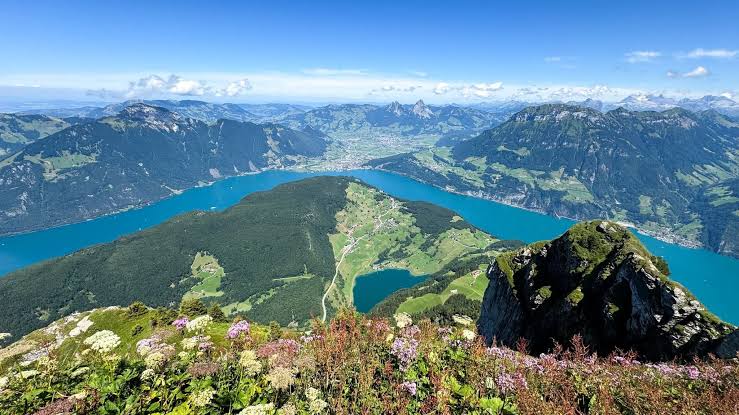
Family travel can be more expensive because accommodation, transportation, food, and attraction costs multiply with the number of travelers.
Look for Family-Friendly Accommodation
Apartments and family rooms can sometimes provide better value than booking multiple separate hotel rooms.
If you plan to cook some meals, an apartment with a kitchen may also help control food expenses.
Plan Activities Carefully
You do not need to pay for an expensive mountain excursion every day.
Combine paid experiences with free activities such as walking, sightseeing, parks, and lake visits.
Switzerland Travel Costs for Solo Travelers
Solo travelers have greater flexibility but cannot always share accommodation expenses.
Choose Accommodation Carefully
Hostels, guesthouses, and smaller hotels can provide options for solo travelers.
Public transportation is often more practical than renting a car alone.
Plan your itinerary around destinations that can be explored independently.
Switzerland Travel Budget for One Week
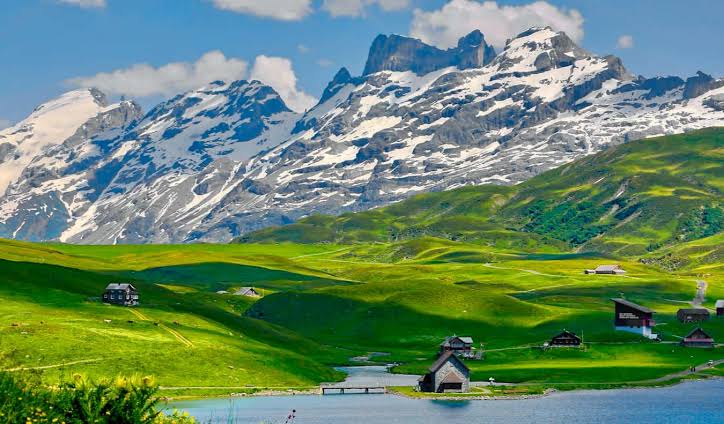
A one-week Switzerland vacation can cost very different amounts depending on your travel style.
Budget Traveler
A budget traveler might choose hostels or basic accommodation, use public transportation, eat supermarket food and inexpensive meals, and focus on free outdoor activities.
Moderate Traveler
A moderate traveler might choose comfortable hotels, eat at restaurants regularly, take scenic train journeys, and visit one or two major mountain attractions.
Luxury Traveler
A luxury trip could include premium hotels, private transportation, fine dining, private guides, spa experiences, and expensive mountain excursions.
International flights should be calculated separately because airfare depends heavily on your departure country and travel dates.
Example Switzerland Daily Budget
A moderate traveler might use the following as a general planning framework:
| Expense | Approximate Daily Range |
|---|---|
| Accommodation | CHF 80-180 |
| Food | CHF 40-80 |
| Local Transportation | CHF 10-30 |
| Attractions | CHF 10-50 |
| Activities | CHF 20-100 |
| Miscellaneous | CHF 10-30 |
These figures are broad estimates. Accommodation and mountain activities can cause actual spending to vary considerably.
Hidden Costs to Include in Your Switzerland Budget
Travelers sometimes underestimate small expenses.
Common Additional Expenses
Include potential costs such as:
- City taxes
- Breakfast
- Mountain transportation
- Cable cars
- Train reservations
- Airport transfers
- Travel insurance
- Laundry
- Snacks
- Souvenirs
- ATM or card fees
- Equipment rentals
A daily emergency allowance can also help you manage unexpected expenses.
Should You Rent a Car in Switzerland?
Renting a car can provide flexibility, particularly if you want to visit remote villages or rural areas.
However, you should calculate the complete cost.
Consider Fuel and Parking
A rental car involves more than the rental rate.
Consider:
- Fuel
- Insurance
- Parking
- Tolls
- Rental fees
- Possible one-way charges
In major cities, parking can be expensive and driving may be unnecessary.
For many classic Switzerland itineraries, public transportation can be a practical alternative.
How to Reduce Switzerland Food Costs
Food can quickly increase your daily spending.
Eat a Simple Breakfast
Instead of paying for an expensive hotel breakfast every morning, compare the cost with nearby bakeries or supermarkets.
Prepare Simple Meals
If your accommodation has a kitchen, preparing some simple meals can reduce restaurant spending.
Carry Snacks
Buy snacks and drinks from supermarkets rather than purchasing them at every tourist attraction.
Enjoy One Special Meal
Instead of avoiding Swiss restaurants completely, plan one special meal and save money on other meals.
This allows you to experience local cuisine while keeping your overall budget more controlled.
How to Plan a Moderate Switzerland Itinerary
A good itinerary can help you avoid unnecessary transportation expenses.
Spend More Nights in Fewer Places
Instead of changing hotels every night, consider staying three or four nights in a destination.
For example, you could build a route around Zurich, Lucerne, Interlaken, and Zermatt.
Your exact route should depend on your interests, arrival airport, departure airport, season, and planned mountain activities.
Avoid Unnecessary Backtracking
Plan your route geographically.
Traveling in one general direction can reduce repeated journeys and save time.
Common Switzerland Travel Budget Mistakes
Mistake 1: Booking Hotels at the Last Minute
Popular destinations can have limited availability during busy periods.
Mistake 2: Assuming Every Mountain Attraction Is Necessary
You do not need to visit every cable car or mountain railway.
Choose the experiences that matter most to you.
Mistake 3: Eating Every Meal at Tourist Restaurants
Combine restaurants with supermarkets, bakeries, cafés, and casual dining.
Mistake 4: Ignoring Transportation Costs
Calculate train, bus, boat, and mountain transportation before finalizing your itinerary.
Mistake 5: Forgetting Seasonal Price Changes
Hotel prices can vary significantly depending on demand.
Is Switzerland Worth the Cost for Tourists?
Switzerland offers experiences that are difficult to replicate elsewhere, including Alpine landscapes, mountain villages, lakes, scenic rail routes, and well-connected transportation.
Whether the trip fits your budget depends on your travel priorities.
If mountain scenery is your main reason for visiting, you may decide that spending more on one or two mountain experiences is worthwhile for your personal trip. If you are more interested in cities and culture, you can reduce costs by focusing on urban attractions and free outdoor experiences.
The important thing is to build your budget around the experiences that matter most to you.
Must Read:
- How to Travel Japan for the First Time?
- Is Thailand Cheap for Tourists? Daily Travel Costs Explained
- Paris for First-Time Visitors: Mistakes to Avoid
Final Tips:
So, is Switzerland expensive for tourists? Yes, Switzerland can be expensive, particularly for accommodation, restaurant meals, transportation, and mountain excursions. However, the cost does not mean that Switzerland is inaccessible to travelers with a moderate budget.
You can control expenses by traveling during suitable periods, comparing accommodation, staying near public transportation, using supermarkets for some meals, choosing free outdoor activities, and carefully selecting mountain experiences.
Before your trip, create a complete budget that includes hotels, transportation, food, attractions, insurance, shopping, and unexpected expenses. Compare transportation passes with individual tickets, and do not assume that the most expensive option is automatically the right choice for your itinerary.
Switzerland rewards travelers who plan carefully. Whether you want to explore Zurich, walk around Lucerne, see the Matterhorn, hike in the Alps, ride scenic trains, or relax beside a lake, you can create a memorable Switzerland vacation while keeping your spending aligned with your travel priorities.
Switzerland is often considered one of the more expensive destinations in Europe, but the actual cost of a Switzerland trip depends heavily on your travel style, destination, season, accommodation, transportation, and daily activities. If you are planning a vacation to Switzerland for the first time, understanding typical expenses can help you create a realistic budget and avoid unexpected costs.
The country is famous for the Swiss Alps, scenic train journeys, mountain villages, lakes, chocolate, cheese, historic cities, and beautiful landscapes. Places such as Zurich, Geneva, Lucerne, Interlaken, Zermatt, and Grindelwald attract travelers throughout the year. While Switzerland offers luxury hotels, fine dining, private tours, and premium mountain experiences, it is also possible to plan a more moderate trip by choosing practical accommodation, using public transportation, preparing some meals, and selecting activities carefully.
So, is Switzerland expensive for tourists? Yes, Switzerland can be expensive compared with many other European destinations, but careful planning can make a Switzerland vacation more manageable. You do not need to eliminate enjoyable experiences. Instead, focus on understanding where costs are highest and decide which experiences are worth including in your budget.