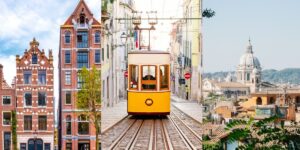
Traveling Europe on a moderate budget is possible without staying in hostels, eating instant meals every day, or skipping the attractions you want to see. A well-planned Europe trip can combine comfortable accommodation, convenient transportation, good food, sightseeing, and memorable experiences while keeping spending under control. The key is knowing where to spend more, where to save, and how to organize your itinerary efficiently.
Europe offers a huge range of travel experiences. You can explore historic cities such as Rome and Paris, enjoy Mediterranean beaches in Portugal or Spain, experience Central European culture in Prague and Budapest, or travel through scenic destinations in Switzerland and Austria. The cost of traveling across these destinations can vary significantly, so planning is important when you want to travel Europe on a moderate budget.
A moderate-budget Europe trip generally means choosing comfortable but reasonably priced accommodation, using trains and public transportation, eating at a mixture of local restaurants and casual cafés, booking major attractions in advance, and avoiding unnecessary tourist expenses. Your daily spending will depend on the countries you visit, the time of year, the length of your trip, and your personal travel style.
This guide explains how to travel Europe on a moderate budget, covering accommodation, transportation, food, sightseeing, flights, travel insurance, itinerary planning, and practical ways to save money.
Understand Your Europe Travel Budget
Before booking flights or hotels, decide how much you can realistically spend on the entire trip. A clear budget helps you make better decisions about destinations, accommodation, transportation, and activities.
What Is a Moderate Europe Travel Budget?
There is no single definition of a moderate travel budget because European prices vary considerably. As a general planning range, many travelers can consider approximately €100 to €200 per person per day, excluding international flights.
This range can cover accommodation, meals, local transportation, attractions, and some miscellaneous expenses. However, expensive destinations such as Switzerland, Norway, Denmark, Iceland, and some major Western European capitals may require a larger budget.
More affordable destinations in Central and Eastern Europe can sometimes provide greater value.
Create Separate Budget Categories
Instead of treating your travel budget as one large amount, divide it into categories.
Consider setting separate amounts for:
- International flights
- Hotels
- Intercity transportation
- Local transportation
- Food and drinks
- Attractions
- Travel insurance
- Shopping
- Emergency expenses
- Tours and activities
This makes it easier to identify where your money is going.
For example, you might decide to spend more on a central hotel in Paris while saving money by using public transportation and eating inexpensive lunches.
Choose Destinations That Match Your Budget

Choosing the right destinations is one of the most effective ways to travel Europe on a moderate budget. European countries have very different costs for hotels, restaurants, transportation, and attractions.
Mix Expensive and Affordable Destinations
You do not have to avoid expensive cities completely. Instead, combine them with destinations that offer better value.
For example, you could combine:
- Paris and Brussels
- Amsterdam and Brussels
- Vienna and Budapest
- Munich and Prague
- Rome and Bologna
- Barcelona and Valencia
- Lisbon and Porto
- Berlin and Krakow
This approach allows you to experience major European destinations while controlling your average daily spending.
Consider Central Europe
Central Europe can be particularly attractive for travelers who want history, architecture, culture, restaurants, and nightlife without the prices found in some of Europe's most expensive destinations.
Cities such as Budapest, Prague, Krakow, Bratislava, Ljubljana, and Zagreb offer a wide range of accommodation and dining options.
Popular tourist areas can still be expensive, so comparing neighborhoods and booking early remains important.
Travel During the Shoulder Season
Your travel dates can make a major difference to your Europe travel budget.
Summer is one of Europe's busiest travel periods, particularly from June through August. Hotels, flights, attractions, and tours can become more expensive in popular destinations.
Consider Spring and Autumn
The shoulder seasons can provide a useful balance between weather, crowds, and prices.
Consider traveling during:
- April
- May
- September
- October
The exact conditions vary by destination, so check the local weather and tourism season before making reservations.
Why Shoulder Season Can Be Better for Your Budget
Traveling outside the busiest period may provide:
- More affordable hotel options
- Greater accommodation availability
- Smaller crowds
- More restaurant choices
- Easier attraction reservations
- More relaxed sightseeing
Winter can also offer lower prices in many cities, although Christmas markets, New Year's celebrations, ski resorts, and holiday periods can increase demand.
Plan a Logical Europe Itinerary
Your itinerary affects both your travel expenses and the amount of time you actually spend enjoying Europe.
A poorly organized itinerary can result in unnecessary train journeys, expensive flights, airport transfers, and wasted time.
Group Nearby Destinations Together
Try to build your itinerary around geographical locations.
For example, a Central European route could include cities that are connected by convenient rail or bus services instead of jumping between distant parts of the continent.
This reduces transportation costs and makes the trip less exhausting.
Avoid Visiting Too Many Cities
One of the biggest mistakes on a Europe trip is trying to visit too many destinations.
If you have two weeks, visiting eight cities may sound exciting, but frequent hotel changes can consume a significant portion of your vacation.
For a moderate-budget Europe trip, spending three or four nights in major destinations can provide a better balance.
You save money by reducing transportation and hotel-change costs while getting more time to experience each destination.
Find Affordable Flights to Europe
International airfare can represent a large part of your overall travel budget.
Start comparing flights well before your planned departure date and consider multiple European arrival cities.
Compare Different European Airports
Do not automatically assume that flying directly into your final destination is the cheapest option.
For example, if your itinerary includes several nearby countries, compare flights into different major airports and then calculate the cost of reaching your first destination.
Consider airports in:
- London
- Paris
- Amsterdam
- Frankfurt
- Madrid
- Barcelona
- Rome
- Milan
- Lisbon
- Vienna
The cheapest flight is not always the cheapest overall option. Airport transportation, baggage charges, and additional accommodation can change the final cost.
Be Flexible With Your Dates
If your schedule allows flexibility, compare different departure and return dates.
Airfare can vary based on:
- Season
- Day of the week
- Holidays
- Local events
- Airport
- Airline
- Demand
A small change in your travel dates can sometimes make a meaningful difference to your overall budget.
Use Trains and Buses for European Travel
Europe has extensive train and bus networks, making ground transportation an important part of a moderate-budget trip.
Compare Train, Bus, and Airfares
Before booking an intercity journey, compare the complete cost of different transportation options.
Look at:
- Ticket price
- Baggage fees
- Airport transfers
- Station location
- Travel time
- Booking flexibility
A flight may appear cheaper, but additional airport transportation and baggage fees can change the total cost.
A train may cost slightly more while taking you directly from one city center to another.
Book Popular Train Routes Early
Popular European train routes can become more expensive as travel dates approach.
When your itinerary is fixed, compare prices early.
Some rail operators offer lower fares for travelers who book in advance, while flexible tickets may cost more.
Decide Whether a Rail Pass Is Worth It
Rail passes can be useful for travelers taking multiple train journeys, but they are not automatically cheaper.
Compare a Rail Pass With Individual Tickets
Before purchasing a rail pass, calculate the cost of the journeys you actually plan to take.
Consider:
- Number of train journeys
- Distance between destinations
- Travel dates
- Reservation requirements
- Seat reservation costs
- Flexibility
If your trip includes frequent long-distance train journeys, a pass may make sense. If you only plan to take two or three short train trips, individual tickets may be better suited to your itinerary.
Choose Comfortable but Affordable Accommodation

Accommodation is usually one of the largest expenses on a Europe trip.
You do not have to stay in luxury hotels to have a comfortable vacation.
Stay Near Public Transportation
A hotel slightly outside the tourist center can often provide better value.
However, do not choose accommodation solely because the nightly rate is low.
Check whether it is close to:
- Metro stations
- Tram stops
- Train stations
- Bus routes
- Restaurants
- Grocery stores
A cheaper hotel that requires €15 or €20 of transportation every day may not actually save money.
Compare Hotels, Apartments, and Guesthouses
Depending on the destination, compare different accommodation types.
Hotels can be convenient for short stays. Apartments may be useful for families or longer trips. Guesthouses can offer a more local experience and sometimes competitive prices.
Always check the total price rather than just the advertised nightly rate.
Look for additional charges such as cleaning fees, city taxes, resort fees, parking charges, and breakfast costs.
Save Money on European Food
Food is another area where small daily decisions can make a big difference.
You do not need to avoid restaurants completely. Instead, combine different types of meals.
Eat Like a Local
Restaurants located directly beside major tourist attractions often charge higher prices.
Walk a few streets away from the main tourist areas and compare menus.
Local neighborhoods can offer:
- Bakeries
- Cafés
- Family restaurants
- Markets
- Food halls
- Street food
- Small takeaway shops
These options can provide good meals without the prices associated with some tourist-focused restaurants.
Use Supermarkets for Breakfast and Snacks
Buying breakfast items and snacks from a supermarket can reduce daily food costs.
You might purchase:
- Fruit
- Yogurt
- Bread
- Cheese
- Sandwiches
- Water
- Snacks
This does not mean you have to cook every meal. It simply gives you another way to control your spending.
Have Lunch Instead of an Expensive Dinner
In some European cities, lunch menus can provide better value than dinner.
Look for local lunch specials or fixed-price menus.
You can then enjoy a more relaxed dinner without making every meal a major expense.
Use Public Transportation Within Cities
European cities often have extensive public transportation systems.
Using buses, trams, metros, and suburban trains can significantly reduce transportation costs compared with taking taxis for every journey.
Walk Whenever Practical
Walking is one of the simplest ways to save money while traveling.
Many European city centers are designed around walkable historic districts.
Walking can also allow you to see streets, architecture, markets, cafés, parks, and neighborhoods that you might miss from a vehicle.
Before deciding to walk, consider distance, weather, luggage, and personal safety.
Choose Attractions Carefully
You do not need to pay for every attraction in a city.
Many European destinations have free parks, historic neighborhoods, churches, public squares, viewpoints, markets, and cultural areas.
Prioritize the Experiences You Really Want
Make a list of your must-see attractions before arriving.
Then divide them into:
Must visit: Experiences you would regret missing.
Would like to visit: Attractions that fit your schedule and budget.
Optional: Experiences you can skip if they are expensive or time-consuming.
This approach prevents you from spending money simply because something appears on a tourist list.
Look for Free Museum Days
Some museums and cultural attractions offer free admission at specific times or on particular days.
Check the official attraction website before your visit because schedules and admission policies can change.
Be Careful With City Passes
City passes can provide discounted access to attractions and transportation, but their value depends on your itinerary.
Calculate Before Buying
Before purchasing a pass, list the attractions you want to visit.
Compare the individual admission prices with the total cost of the pass.
A city pass may be useful if you plan to visit several included attractions within a short period. It may not provide value if you prefer walking around neighborhoods, visiting free attractions, or taking a slower approach to sightseeing.
Avoid Common Tourist Expenses
Small expenses can add up quickly during a Europe trip.
Watch for Tourist Area Prices
Restaurants, cafés, souvenir shops, and convenience stores located near major attractions can sometimes charge more.
Compare prices before buying.
Carry a Reusable Water Bottle
A reusable water bottle can help reduce the cost of buying bottled water repeatedly.
However, check local drinking-water guidance before filling it from a public source.
Avoid Unnecessary Airport Transfers
Research transportation options from the airport before arrival.
Public transportation can often be cheaper than private airport transfers, although the best choice depends on your destination, arrival time, luggage, and group size.
Get Travel Insurance
Travel insurance should be included in your Europe travel budget.
Insurance can provide coverage for certain unexpected events, depending on the policy.
Check What Your Policy Covers
Before purchasing travel insurance, review the policy for:
- Medical expenses
- Emergency assistance
- Trip cancellation
- Trip interruption
- Lost or delayed baggage
- Travel delays
- Personal liability
Coverage varies by provider and policy, so read the terms carefully.
For international travel, adequate medical coverage can be particularly important because healthcare costs can be significant in some circumstances.
Use a No-Foreign-Transaction-Fee Card
Bank and card fees can become an overlooked part of your travel budget.
Check Your Card Before Leaving
Find out whether your debit or credit card charges:
- Foreign transaction fees
- International ATM fees
- Currency conversion fees
- Cash withdrawal fees
If possible, use a payment method with reasonable international fees.
Also carry a backup payment method in case your primary card is lost, blocked, or unavailable.
Avoid Dynamic Currency Conversion
When paying abroad, you may sometimes be asked whether you want to pay in your home currency or the local currency.
The conversion offered by the merchant or ATM may not be the most favorable option.
Check the Currency Before Confirming
Read the payment screen carefully.
When appropriate, paying in the local currency and allowing your card provider to handle the conversion may offer a better exchange rate, but check your card's terms before traveling.
Keep an Emergency Travel Fund
Even a carefully planned Europe trip can involve unexpected expenses.
A delayed train, medical issue, lost luggage, replacement phone, emergency hotel stay, or changed flight can affect your budget.
Set Aside Extra Money
Consider keeping an emergency reserve separate from your normal daily spending.
You do not need to spend it. Its purpose is to give you flexibility if something unexpected happens.
This is especially important when traveling between multiple countries.
Use eSIM or Affordable Mobile Data
Staying connected is useful for maps, translation, transportation information, hotel bookings, and communication.
International roaming charges can become expensive depending on your mobile plan.
Compare eSIM and Local SIM Options
Before traveling, compare:
- International roaming
- eSIM plans
- Local SIM cards
- Regional European plans
A regional plan can be useful if you are visiting multiple countries, but check the exact countries and data allowances included.
Pack Carefully
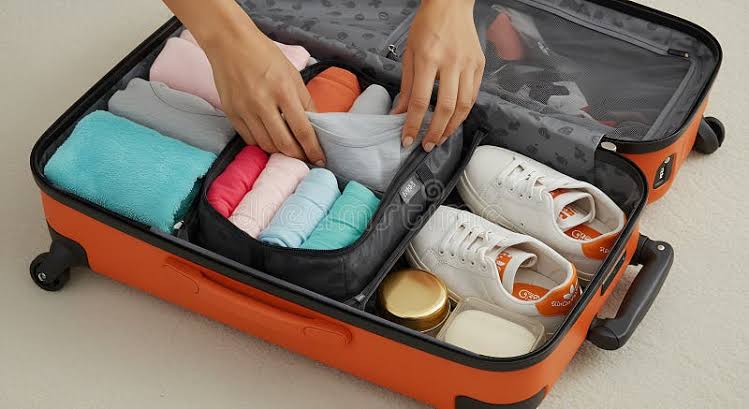
Overpacking can increase transportation costs and make a multi-city Europe trip more difficult.
Pack for Your Actual Itinerary
Think about the weather, activities, accommodation, and length of the trip.
A versatile wardrobe can reduce the amount of luggage you need.
Traveling with lighter luggage can also make trains, buses, stairs, and walking between stations easier.
Book Popular Activities in Advance
Some attractions sell out during busy periods.
Booking ahead can help you secure the experience you want and avoid last-minute premium prices.
Research Cancellation Policies
Before paying for a tour or attraction, check whether the booking is refundable or changeable.
Flexible reservations can be useful when your itinerary may change.
Use Free Walking Tours Carefully
Free walking tours can be an affordable way to learn about a city.
However, these tours generally operate using tips, so participants are expected to compensate the guide based on the experience and local norms.
Check the meeting location, duration, group size, and payment expectations before joining.
Plan Your Daily Spending
A daily spending limit can help keep your Europe travel budget under control.
Create a Simple Daily Budget
For example, you could divide your daily budget into:
- Accommodation
- Breakfast
- Lunch
- Dinner
- Transportation
- Attractions
- Snacks
- Miscellaneous expenses
You do not have to spend exactly the same amount every day.
If you spend more on a special dinner one evening, you can choose a less expensive activity or meal the following day.
Use a Travel Expense App or Spreadsheet
Tracking your expenses while traveling can prevent unpleasant surprises.
Record your spending on:
- Hotels
- Flights
- Trains
- Restaurants
- Attractions
- Shopping
- Transportation
At the end of each day, compare your actual spending with your planned budget.
This takes only a few minutes but can make a significant difference during a longer trip.
Consider Traveling With a Small Group
Traveling with friends or family can reduce certain costs because some expenses can be shared.
Share Accommodation and Transportation
A group can sometimes split:
- Apartment rental costs
- Private transfers
- Rental cars
- Taxi fares
- Certain guided tours
However, group travel works best when everyone agrees on the itinerary, budget, and travel style before booking.
Rent a Car Only When Necessary
A rental car can be useful for rural areas, scenic routes, and destinations with limited public transportation.
However, a car may create unnecessary expenses in major European cities.
Calculate the Full Cost of a Rental Car
Do not look only at the rental price.
Consider:
- Fuel
- Insurance
- Parking
- Tolls
- International driving requirements
- One-way rental fees
- Traffic restrictions
For many major European cities, public transportation can be more convenient and affordable than driving.
Build a Realistic Two-Week Europe Budget
A two-week Europe trip can have very different costs depending on the countries and cities selected.
For example, your budget might include:
Accommodation
Choose comfortable hotels, guesthouses, or apartments in convenient neighborhoods rather than luxury properties.
Transportation
Include international flights, intercity trains or buses, airport transfers, and local public transportation.
Food
Plan for a mixture of restaurants, cafés, supermarkets, bakeries, and casual dining.
Activities
Reserve part of your budget for major attractions and experiences that are important to you.
Emergency Fund
Keep additional money available for unexpected costs.
The important point is to calculate your total expected spending before the trip rather than relying on a vague daily estimate.
Sample Moderate-Budget Europe Itinerary
A two-week itinerary could focus on four destinations rather than attempting to cover half of Europe.
For example:
Days 1-4: Paris
Explore major landmarks, museums, neighborhoods, cafés, and parks.
Days 5-7: Brussels
Travel by train and explore the historic center, local food, architecture, and nearby attractions.
Days 8-10: Amsterdam
Explore canals, museums, markets, and neighborhoods using walking and public transportation.
Days 11-14: Berlin
Finish the trip with museums, historic sites, parks, food markets, and cultural attractions.
This is only an example. Your route should depend on your interests, budget, transportation connections, and preferred travel pace.
Mistakes to Avoid on a Moderate-Budget Europe Trip
Even travelers with good planning can make expensive mistakes.
Booking Everything at the Last Minute
Last-minute hotels, trains, tours, and flights can be more expensive or have limited availability.
Changing Cities Too Often
Frequent travel increases transportation costs and reduces sightseeing time.
Staying Too Far From the City
A very cheap hotel can become expensive when you add daily transportation costs.
Eating Every Meal in Tourist Areas
Restaurants near major landmarks can be more expensive than establishments in local neighborhoods.
Ignoring Additional Fees
Always check the final price for hotels, flights, transportation, and activities.
Spending Without Tracking
Small purchases can add up quickly. A coffee, snack, taxi, souvenir, and attraction ticket may each seem inexpensive, but together they can significantly increase your daily spending.
How to Travel Europe Comfortably Without Overspending
The best way to travel Europe on a moderate budget is not to eliminate everything enjoyable. Instead, focus on making deliberate choices.
Spend more on the experiences that matter to you and reduce spending where it does not add much value.
For example, you might choose a comfortable hotel in a convenient location but eat a simple breakfast. You might pay for an important museum but skip several less interesting attractions. You might take a high-speed train between major cities but walk instead of taking taxis within the city.
This approach allows you to enjoy Europe without turning every day into a strict cost-cutting exercise.
Must Read:
- Best Travel Destinations for Nature Lovers
- Best Affordable European Destinations
- Best Family-Friendly Beach Destinations Around the World
Final Word:
A successful moderate-budget Europe trip starts with realistic planning.
Choose destinations that fit your budget, travel during a suitable season, compare transportation options, stay near public transportation, eat at a mixture of restaurants and local food spots, and carefully select paid attractions.
Keep an emergency fund and track your spending throughout the trip. Most importantly, do not try to see everything in one vacation. Europe is too large to experience in a single trip, and a slower itinerary can often be more enjoyable and less expensive.
If you plan carefully, you can travel Europe comfortably while maintaining control over your spending. A moderate budget can give you the freedom to enjoy comfortable accommodation, local food, cultural attractions, scenic experiences, and memorable city breaks without paying luxury prices.