- Do not trust sudden “breaking news” links
- Avoid donating through unknown sources
- Never invest based on war-related tips
- Verify all information from official platforms
- Do not share personal or financial details
Whenever a major global conflict happens, people naturally search for updates, safety information, and financial impact. That surge in attention creates the perfect environment for scammers.
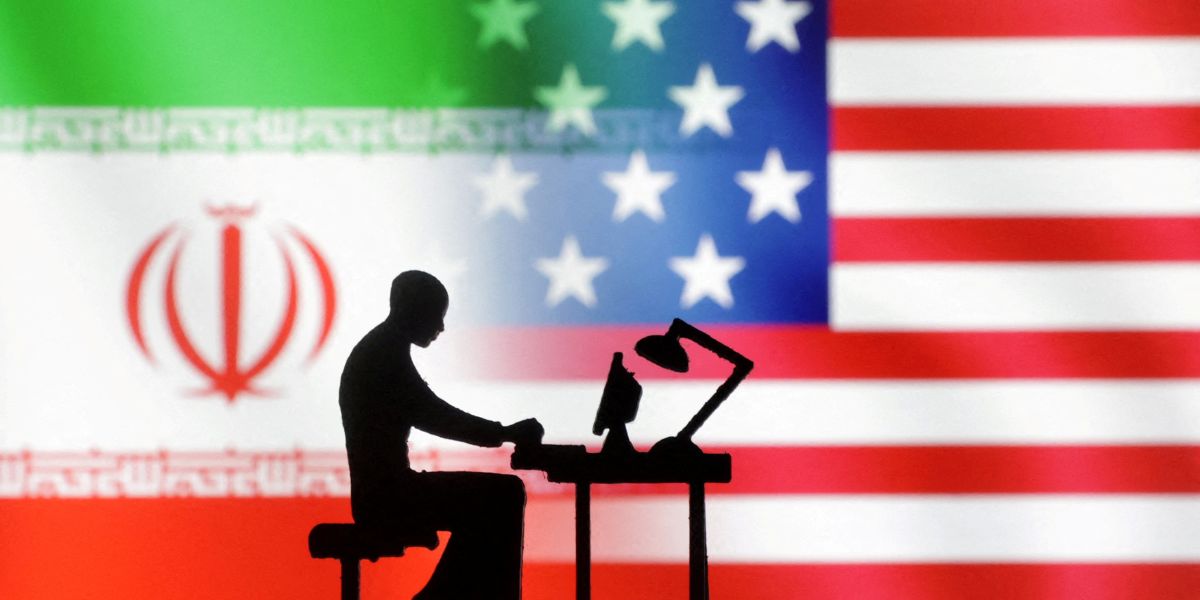
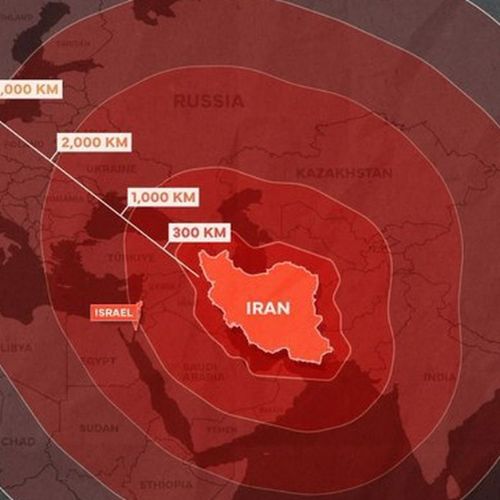
The ongoing Iran conflict scams is no exception. Cybercriminals are actively using war-related news, fear, and confusion to trick people into clicking links, sending money, or sharing sensitive data.
Security experts have already warned about a sharp rise in phishing, fraud, and misinformation linked to the conflict.
These scams are not random. They are carefully designed to feel urgent, emotional, and believable.
This guide explains how these scams work and how you can stay safe.
Why Global Conflicts Trigger Scams
Scammers follow attention.
During major events like wars:
- People search for updates constantly
- Emotions like fear and urgency increase
- Misinformation spreads quickly
- Verification becomes less common
Cybercriminals exploit this behaviour. In fact, experts note that conflict periods lead to a surge in phishing and social engineering attacks.
How Scammers Are Exploiting the Iran Conflict
Scammers are using the Iran conflict in several ways:
- Creating fake news alerts
- Sending phishing emails about “security updates”
- Promoting fake investment opportunities linked to oil or gold
- Asking for donations for “war victims”
- Sharing malicious links disguised as breaking updates
Many attacks rely on simple tactics like phishing and fake links, which remain highly effective.
Most Common Iran Conflict Scams
Phishing emails using war news, fake charity donations, impersonated officials, SIM swap scams, fake airline refunds, advance-fee fraud, and malicious links exploiting crisis fear are common Iran conflict scams targeting victims.
1. Fake News Alerts
Messages claiming urgent updates about the conflict.
2. Donation Scams
Requests to help victims of war.
3. Investment Scams
“Oil prices will rise, invest now” type offers.
4. Phishing Messages
Emails or SMS asking you to “secure your account.”
5. Travel or Security Alerts
Fake warnings about cancelled flights or safety risks.
Real-Life Example
A person received a message saying oil prices would spike due to the Iran conflict and was urged to invest through a specific app.
They clicked the link and invested money. Within days, the platform disappeared, and the money was gone.
Cases like this are becoming common as scammers tie financial schemes to real-world events.
Warning Signs You Should Not Ignore
Watch for these red flags.
- “Breaking news” with a clickable link
- Emotional or urgent language
- Requests for donations or payments
- Unknown senders or unofficial websites
- Investment offers linked to war events
If it feels urgent and emotional, pause before acting.
Iran Conflict Scam Types and Protection Actions
| Scam Type | How It Works | Protection Action |
|---|---|---|
| Fake News Alert | Sends malicious links | Verify via official news sources |
| Donation Scam | Requests money for victims | Donate only to trusted organisations |
| Investment Scam | Promises profit from war impact | Avoid quick investment decisions |
| Phishing Message | Asks for login or banking details | Never share sensitive information |
| Travel Alert Scam | Fake warnings or cancellations | Check official airline or govt sites |
Psychological Tricks Used
These scams are highly effective because they use emotions.
- Fear: Safety concerns and uncertainty
- Urgency: “Act now” messages
- Curiosity: Breaking updates
- Greed: Investment opportunities
- Empathy: Helping victims
Scammers know people are more vulnerable during crises.
Quick Safety Checklist
Before clicking or responding, ask yourself:
- Is this from a verified source
- Does it ask for money or data
- Is the message urgent or emotional
- Can I confirm this elsewhere
- Does the link look suspicious
If unsure, do nothing.
What to Do If You See or Receive These Scams
If you encounter such content:
- Do not click links
- Do not send money
- Do not share personal details
- Delete the message
- Report it on the platform
Ignoring is often the safest response.
How to Verify Real Information
To stay safe:
- Use official news websites
- Check government alerts
- Verify through multiple sources
- Avoid relying on social media posts
Conflict-related misinformation spreads fast, including fake videos and AI-generated content.
Long-Term Safety Habits
Build habits that protect you.
- Always verify before reacting
- Avoid emotional decisions online
- Keep devices and apps updated
- Use strong passwords
- Stay informed about new scam trends
These habits reduce your risk significantly.
Final Thoughts:
Scammers don’t just follow money. They follow attention. The Iran conflict has created a wave of fear, curiosity, and urgency, and cybercriminals are using all of it to their advantage.
The key is simple. Slow down, verify, and think before you act. One careful decision can protect both your money and your personal information.
Must Read:
- Fake Booking Alert: Don’t Pay Until You Check This
- Got a Traffic Fine Email or SMS? It Could Be Fake
- Mortgage Relief Offer? It Could Be a Scam
Quick Action Summary
- Avoid clicking war-related links from unknown sources
- Never invest based on breaking news tips
- Donate only through trusted organisations
- Verify all information independently
- Stay alert during global events
This guide helps you recognise Iran conflict scams and stay protected in a fast-moving information environment.