Traveling to Japan for the first time can be an exciting experience, especially if you have never visited East Asia before. Japan combines ancient temples, modern cities, traditional neighborhoods, beautiful landscapes, efficient transportation, unique food, and a rich cultural heritage. From the busy streets of Tokyo to the historic atmosphere of Kyoto and the peaceful scenery around Mount Fuji, Japan offers something for almost every type of traveler.
However, planning your first Japan trip can also feel confusing. You may have questions about transportation, accommodation, Japanese food, language, etiquette, cash, internet access, and how many cities you should visit. Japan has an excellent travel infrastructure, but understanding a few basics before you arrive can make your trip much easier.
This guide explains how to travel Japan for the first time, including when to visit, how long to stay, where to go, how to use trains, where to stay, what to eat, how to manage money, and the common mistakes first-time visitors should avoid.
Plan Your Japan Trip Before You Arrive
A successful first trip to Japan starts with a realistic plan. Japan has many destinations, but trying to see too much during one vacation can make your trip tiring and expensive.
Decide How Many Days You Have
The ideal length of a Japan trip depends on your interests and budget.
A short trip of around five to seven days can focus on Tokyo and one nearby destination. A trip of 10 to 14 days gives you more flexibility to visit Tokyo, Kyoto, Osaka, and another destination.
If you have two or three weeks, you can explore additional areas such as Hiroshima, Nara, Kanazawa, Hakone, Takayama, Hokkaido, or parts of Kyushu.
For first-time visitors, spending enough time in each destination is generally more enjoyable than changing hotels every night.
Choose Your Main Destinations
A classic first Japan itinerary can include:
- Tokyo
- Kyoto
- Osaka
- Nara
- Mount Fuji or Hakone
This route provides a mixture of modern city life, Japanese history, temples, food, shopping, nature, and cultural experiences.
You do not have to follow this exact route. Your itinerary should reflect your interests.
Choose the Best Time to Visit Japan
Japan is a year-round destination, but different seasons provide different experiences.
Spring in Japan
Spring is famous for cherry blossoms, particularly during the sakura season.
The exact timing varies by region and year, so travelers planning a cherry blossom trip should check updated forecasts closer to their travel dates.
Spring can be busy, especially in popular destinations such as Tokyo and Kyoto.
Summer in Japan
Summer can be hot and humid in many parts of Japan.
However, summer is also a good time for festivals, mountain trips, and certain outdoor activities.
If you visit during summer, pack lightweight clothing and stay hydrated.
Autumn in Japan
Autumn is popular because of comfortable temperatures and colorful foliage.
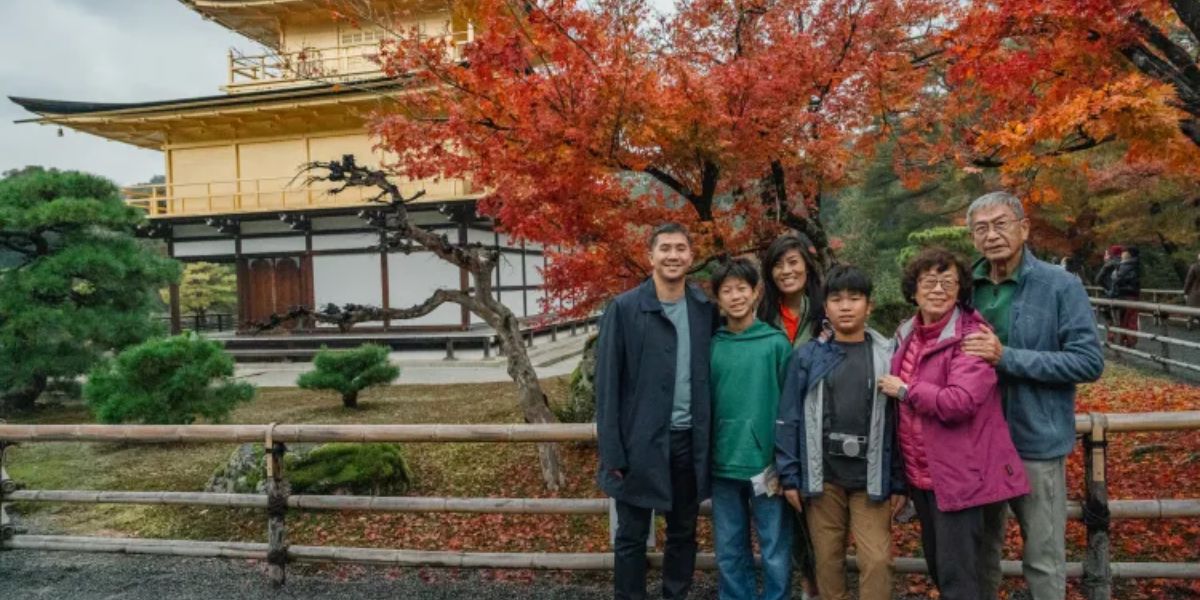
Kyoto, Nikko, Tokyo, and many mountainous areas can be particularly attractive during the autumn season.
Like cherry blossom season, popular autumn destinations can become crowded.
Winter in Japan
Winter is a good choice for travelers interested in snow, skiing, hot springs, winter scenery, and seasonal food.
Northern Japan and mountain regions receive significant snowfall, while cities such as Tokyo and Kyoto generally have milder winter conditions.
Understand Japan's Transportation System
Transportation is one of the most important things to understand when traveling Japan for the first time.
Japan has an extensive network of trains, subways, buses, and domestic flights.
Use Trains for Major City Connections
The Shinkansen, or bullet train, connects major cities quickly and comfortably.
Popular routes include Tokyo to Kyoto, Tokyo to Osaka, and Tokyo to Hiroshima.
Train travel can be one of the easiest ways to move between major destinations.
Learn How Local Trains Work
Within cities, you may use local trains and subway systems.
Tokyo has an extensive network, and first-time visitors may initially find it confusing.
Use a reliable navigation app and check your platform, train direction, and destination before boarding.
Station signs are commonly available in Japanese and English, particularly in major tourist areas.
Do You Need a Japan Rail Pass?
A Japan Rail Pass is not automatically the cheapest option for every traveler.
Compare Individual Tickets With a Rail Pass
Before purchasing a rail pass, calculate the cost of the train journeys you expect to take.
Consider:
- Number of long-distance journeys
- Travel dates
- Train routes
- Seat reservations
- Flexibility
- Total ticket cost
If your itinerary includes several long-distance Shinkansen journeys, a rail pass may be worth considering. If you are staying mainly in one city, individual tickets and local transportation options may be more suitable.
Get an IC Transportation Card
IC cards are useful for many local transportation journeys in Japan.
Use an IC Card for Convenience
Depending on the region and current card availability, travelers can use compatible IC cards for many trains, subways, buses, and participating stores.
They can save you from purchasing an individual ticket for every short journey.
Before your trip, check the latest information about available IC cards and whether your destination supports the card you plan to use.
Choose the Right Accommodation
Japan offers a wide variety of accommodation.
You can choose from international hotels, Japanese business hotels, traditional inns, hostels, guesthouses, apartments, and ryokan.
Stay Near a Train or Subway Station
For first-time visitors, location can be more important than having the largest hotel room.
A hotel close to a major train or subway station can save time every day.
When comparing hotels, check:
- Distance from the station
- Nearby restaurants
- Airport access
- Room size
- Luggage storage
- Check-in times
- Guest reviews
- Total price
Consider Japanese Business Hotels
Business hotels can be practical for travelers who want clean, convenient accommodation without paying luxury prices.
Rooms can be smaller than what travelers may be accustomed to in some countries, but they often provide useful facilities and convenient locations.
Try a Ryokan
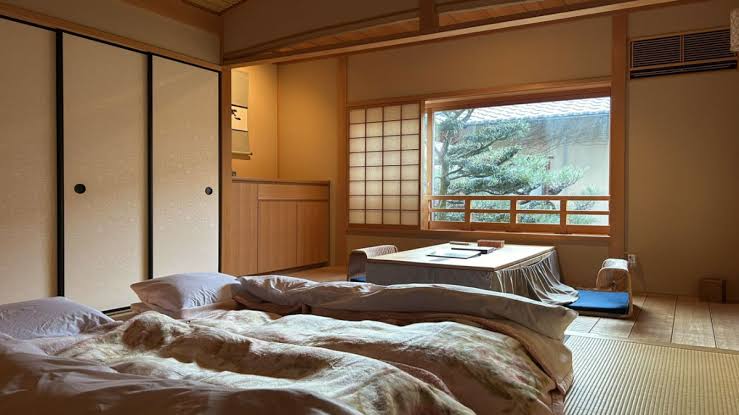
A ryokan is a traditional Japanese-style inn.
Depending on the property, the experience can include tatami rooms, futon bedding, Japanese meals, and traditional bathing facilities.
A ryokan can be an excellent addition to a first Japan trip, particularly if you want to experience a more traditional side of the country.
Learn Basic Japanese Travel Phrases
You can travel around major Japanese cities without speaking fluent Japanese.
English is commonly used in major tourist areas, transportation hubs, and hotels, although communication can be more limited in some smaller towns.
Useful Japanese Phrases
Learning a few phrases can make everyday interactions easier.
Useful expressions include:
- Konnichiwa: Hello
- Arigatou gozaimasu: Thank you
- Sumimasen: Excuse me / Sorry
- Onegaishimasu: Please
- Hai: Yes
- Iie: No
- Eki: Station
- Oishii: Delicious
Even simple Japanese phrases can be helpful when ordering food or asking for assistance.
Get Mobile Internet in Japan
Reliable internet access is extremely useful during a Japan trip.
You may need your phone for navigation, train schedules, translation, hotel information, restaurant searches, and communication.
Consider an eSIM or Pocket Wi-Fi
Depending on your phone and travel needs, you can compare:
- International roaming
- eSIM
- Physical SIM
- Pocket Wi-Fi
An eSIM can be convenient if your phone supports it. Pocket Wi-Fi can be useful for travelers who need to connect multiple devices.
Compare data allowances, coverage, duration, and total price before choosing an option.
Download Maps and Translation Tools
Navigation apps can make Japan travel much easier.
Save Important Information Offline
Before leaving your hotel, save:
- Hotel address
- Train routes
- Important reservations
- Attraction information
- Emergency contacts
Having essential information available offline can help if your mobile connection temporarily stops working.
Translation apps can also help when reading menus or communicating in places where English is limited.
Understand Japanese Food Culture
Japanese food is one of the highlights of traveling to Japan.
You can find everything from inexpensive convenience-store meals to sushi restaurants, ramen shops, izakayas, department-store food halls, and high-end dining.
Try More Than Sushi
First-time visitors sometimes associate Japan mainly with sushi.
While sushi is important, Japan has an enormous variety of food.
Consider trying:
- Ramen
- Udon
- Soba
- Tempura
- Yakitori
- Okonomiyaki
- Takoyaki
- Curry rice
- Donburi
- Tonkatsu
- Onigiri
Different regions also have their own specialties.
Use Convenience Stores
Japanese convenience stores can be useful for travelers.
Stores such as 7-Eleven, Lawson, and FamilyMart offer meals, snacks, drinks, desserts, and other everyday items.
They can be particularly useful when you need a quick breakfast or inexpensive meal.
Understand Japanese Dining Etiquette
Japanese dining customs may differ from what you are used to.
Basic Restaurant Etiquette
Avoid speaking loudly in quiet restaurants.
Do not place chopsticks upright in a bowl of rice because this can have funeral associations in Japanese culture.
When using shared dishes, follow the restaurant's instructions.
Some restaurants may require customers to order through a machine or ticket system.
If you are unsure, observe what other customers are doing or politely ask for help.
Learn Basic Japanese Etiquette
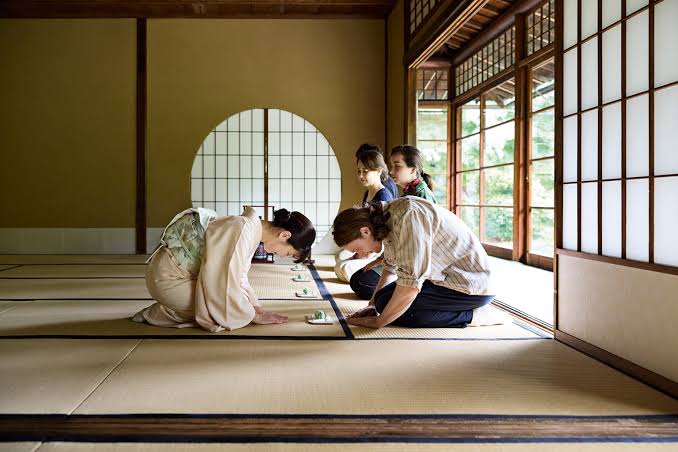
Respecting local customs can make your trip more comfortable.
Keep Your Voice Low on Public Transportation
Japanese trains and subways are generally quiet.
Avoid loud conversations and phone calls.
Queue Properly
Follow marked lines and wait your turn at train platforms, restaurants, and attractions.
Avoid Blocking Walkways
Be aware of your luggage and personal space, particularly in busy stations.
Follow Local Rules
Different attractions, temples, restaurants, and neighborhoods may have their own rules.
Read signs and follow instructions.
Plan Your Tokyo Visit
Tokyo is enormous, and first-time visitors can easily spend an entire trip exploring the city.
Explore Different Tokyo Neighborhoods
Popular areas include:
- Shibuya
- Shinjuku
- Asakusa
- Ginza
- Harajuku
- Ueno
- Akihabara
- Tokyo Station area
Each neighborhood offers a different experience.
Shibuya is known for shopping and its famous crossing. Asakusa provides a more traditional atmosphere. Akihabara is associated with electronics, gaming, anime, and pop culture.
Do Not Try to Visit Every Tokyo Attraction
Tokyo is too large to experience completely in a few days.
Choose neighborhoods based on your interests and group nearby attractions together.
Plan Your Kyoto Visit
Kyoto is one of the most important destinations for travelers interested in traditional Japanese culture.
Visit Temples and Shrines
Kyoto is home to many historic temples and shrines.
Popular locations include:
- Fushimi Inari
- Kiyomizu-dera
- Kinkaku-ji
- Ginkaku-ji
- Arashiyama
These attractions can become crowded, particularly during peak seasons.
Start Early
If you want to experience popular attractions with fewer crowds, consider starting your sightseeing early in the morning.
Early starts can also make your itinerary more efficient.
Include Osaka in Your Itinerary
Osaka is known for food, shopping, entertainment, and a lively urban atmosphere.
Explore Osaka's Food Scene
Osaka is famous for dishes such as takoyaki and okonomiyaki.
Dotonbori is one of the city's most recognizable areas, especially in the evening.
Other attractions include Osaka Castle and Universal Studios Japan.
Consider a Day Trip to Nara
Nara is a popular day-trip destination from Kyoto or Osaka.
See Nara's Historic Sites
Nara is known for its temples, parks, and free-roaming deer in Nara Park.
Todai-ji is one of the city's major attractions.
A day trip to Nara can provide a change of pace from the larger cities.
Visit Mount Fuji or Hakone
Mount Fuji is one of Japan's most recognizable natural landmarks.
Choose the Right Viewpoint
You do not necessarily need to climb Mount Fuji to enjoy views of the mountain.
Hakone and the Fuji Five Lakes region offer different opportunities to see Mount Fuji, depending on weather and visibility.
Weather can change quickly, so do not assume that the mountain will be visible on a particular day.
Decide Whether to Visit Hiroshima
Hiroshima is an important destination for travelers interested in Japanese and world history.
Visit the Peace Memorial Area
The Hiroshima Peace Memorial Park and surrounding sites provide historical context about the atomic bombing of 1945.
Visitors should approach the area respectfully.
Miyajima, located nearby, is another popular destination known for its scenic setting and Itsukushima Shrine.
Manage Your Japan Travel Budget
Japan can be more expensive than some other Asian destinations, but travelers can control costs through accommodation, food, transportation, and activity choices.
Major Japan Travel Expenses
Your budget should include:
- International flights
- Hotels
- Long-distance trains
- Local transportation
- Food
- Attractions
- Shopping
- Travel insurance
- Internet access
- Emergency expenses
Accommodation and transportation are often among the largest expenses.
Save Money on Food
You can reduce food costs by combining restaurants with convenience stores, supermarkets, food courts, ramen shops, and casual local restaurants.
You do not need to eat at expensive restaurants every day to experience excellent Japanese food.
Carry Some Cash
Japan has become increasingly convenient for card and digital payments, particularly in major cities. However, cash can still be useful in some smaller establishments and locations.
Carry a Backup Payment Option
Bring at least one backup card and keep it separately from your main payment method.
Check international transaction and ATM fees before traveling.
Understand Tax-Free Shopping
Eligible international visitors may be able to receive tax exemptions or refunds under Japan's current tax-free shopping system.
Check Current Requirements
Rules and procedures can change, so check the latest official requirements before making significant purchases.
Keep receipts and follow store instructions if you plan to use tax-free shopping.
Pack the Right Clothes

Your packing list should depend on the season and regions you plan to visit.
Bring Comfortable Walking Shoes
Japan can involve significant walking, particularly in large cities and train stations.
Comfortable shoes are essential.
Also consider lightweight layers, rain protection, and clothing appropriate for visiting temples and traditional sites.
Handle Your Luggage Carefully
Japan's train stations can be large, and some platforms may involve stairs or long walking distances.
Pack Light if Possible
A smaller suitcase can make train travel easier.
For longer trips, consider using luggage delivery services where available instead of carrying large bags between cities.
This can make multi-city travel considerably more comfortable.
Avoid Overplanning Your First Japan Trip
A detailed itinerary is helpful, but an overly rigid schedule can make your trip stressful.
Leave Time for Unexpected Experiences
You may find a small restaurant, interesting shopping street, local festival, quiet temple, or neighborhood that was not part of your original plan.
Leave some open time for these moments.
Common Mistakes First-Time Japan Travelers Make
Several mistakes can make a Japan trip more difficult.
Visiting Too Many Cities
Trying to visit Tokyo, Kyoto, Osaka, Hiroshima, Hokkaido, Okinawa, and several other destinations in one short trip can create excessive travel time.
Ignoring Travel Times
Japan's transportation is efficient, but stations are large and journeys can still take time.
Include transfers and walking time when planning your itinerary.
Booking Hotels Too Far From Stations
A cheap hotel far from transportation may become inconvenient.
Ignoring Peak Travel Periods
Cherry blossom season, Golden Week, summer holidays, and other busy periods can increase demand.
Forgetting Basic Etiquette
Simple things such as speaking quietly on trains, queueing properly, and respecting temple rules can make your trip smoother.
A 10-Day Japan Itinerary for First-Time Visitors
A 10-day itinerary can provide a good introduction to Japan.
Days 1-4: Tokyo
Spend several days exploring Tokyo neighborhoods, temples, shopping areas, museums, and food districts.
Day 5: Mount Fuji or Hakone
Take a day trip or overnight stay depending on your schedule.
Days 6-8: Kyoto
Explore temples, shrines, historic neighborhoods, gardens, and traditional streets.
Day 9: Nara
Take a day trip to Nara from Kyoto or Osaka.
Day 10: Osaka
Explore Osaka's food, shopping, and entertainment before departing.
This itinerary is only a starting point. You can adjust it depending on your flight schedule and interests.
A 14-Day Japan Itinerary
If you have two weeks, you can travel at a slower pace.
Days 1-4: Tokyo
Explore major neighborhoods and attractions.
Day 5: Tokyo Day Trip
Choose a nearby destination such as Kamakura, Nikko, or another location based on your interests.
Days 6-9: Kyoto
Spend several days exploring Kyoto.
Day 10: Nara
Take a day trip to Nara.
Days 11-12: Osaka
Explore Osaka's food and attractions.
Days 13-14: Hiroshima and Miyajima
Visit the historic sites of Hiroshima and the scenic area of Miyajima if transportation and flight schedules make the route practical.
How to Make Your First Japan Trip Easier
The best way to travel Japan for the first time is to prepare for the basics while leaving room for flexibility.
Book important accommodation and attractions ahead of time, especially during busy travel periods. Learn how the train system works before your first major journey. Keep your hotel information accessible and make sure your phone has reliable internet access.
Do not worry about experiencing every famous attraction. Japan has enough cultural, historical, culinary, and natural experiences to fill many trips.
Must Read:
- Is Thailand Cheap for Tourists? Daily Travel Costs Explained
- Paris for First-Time Visitors: Mistakes to Avoid
- How to Travel Europe on a Moderate Budget?
Final Tips:
Japan can seem complicated before your first visit, but the country is well suited to independent travelers. Major cities have extensive transportation networks, many signs include English, and travelers can find accommodation and food options across different price ranges.
For your first Japan trip, focus on a manageable itinerary. Tokyo, Kyoto, and Osaka provide a strong introduction to modern and traditional Japan, while destinations such as Nara, Hakone, Hiroshima, and Mount Fuji can be added according to your available time.
Use trains and public transportation when practical, compare rail pass options before buying one, stay near convenient stations, and keep your luggage manageable. Try different Japanese foods, learn a few basic Japanese phrases, respect local customs, and leave some free time in your schedule.
Most importantly, do not treat Japan as a checklist of attractions. Give yourself time to enjoy the food, neighborhoods, temples, trains, markets, gardens, and everyday experiences that make the country distinctive.
With thoughtful planning and a flexible itinerary, traveling Japan for the first time can be comfortable, rewarding, and memorable.