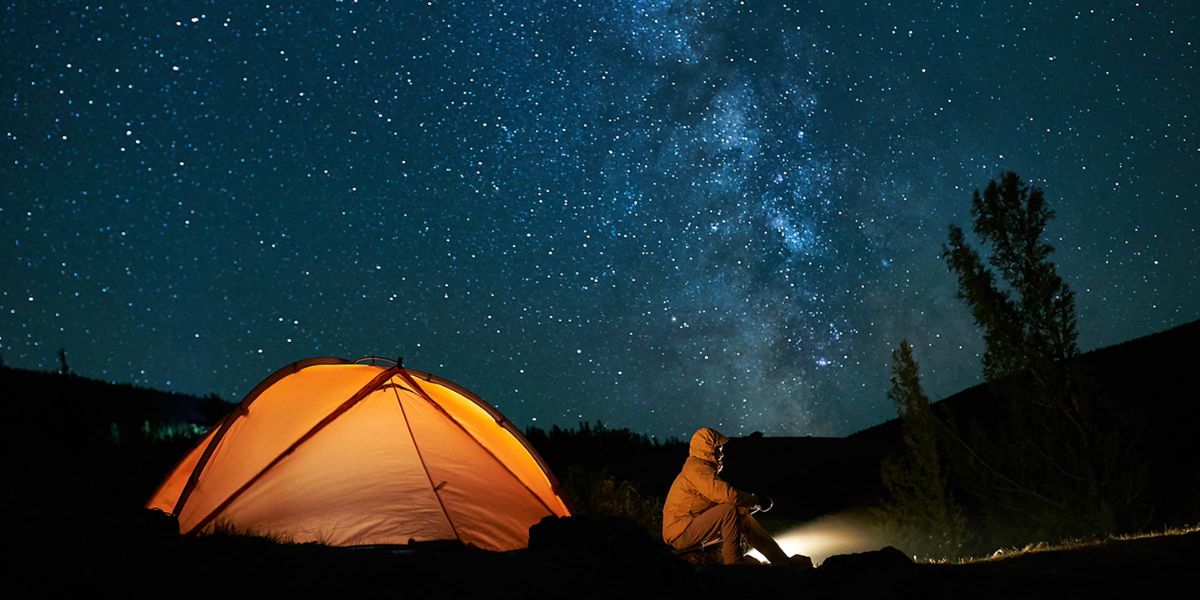
Camping and stargazing offer a wonderful way to experience travel away from busy cities, crowded attractions, and constant screen time. Imagine spending the day hiking through mountains or exploring a desert landscape and then watching the night sky come alive with thousands of stars. The best destinations for camping and stargazing combine dark skies, beautiful natural surroundings, comfortable camping options, and plenty of outdoor activities.
Stargazing has become an increasingly popular reason to plan an outdoor vacation. Travelers are looking beyond traditional sightseeing and choosing destinations where nature itself becomes part of the experience. A quiet campsite under a clear sky can provide an unforgettable travel experience, especially when the Milky Way, planets, constellations, and meteor showers become visible after sunset.
From national parks in the United States to remote deserts in Chile and Namibia, there are spectacular places around the world for travelers who want to combine camping with astronomy. Some destinations are ideal for beginners and families, while others are better suited to experienced campers and astrophotographers.
What Makes a Destination Good for Camping and Stargazing?
The best destinations for camping and stargazing have several important characteristics. A beautiful landscape is useful, but dark skies, weather, accessibility, and camping facilities are equally important.
Dark Skies Are Essential
Light pollution is one of the biggest problems for stargazers. Artificial light from cities, roads, buildings, businesses, and residential areas can make faint stars difficult to see.
The best camping and stargazing destinations are usually located away from large cities. National parks, deserts, mountains, forests, and remote countryside areas often provide darker skies.
DarkSky International recognizes locations that protect natural darkness through its International Dark Sky Places program. These locations include parks, communities, reserves, and other areas that work to preserve night-sky quality.
Weather Can Affect Stargazing
Clear skies are essential for observing stars. Even a destination with very low light pollution may provide a poor stargazing experience if clouds, rain, or storms cover the sky.
Dry areas and locations with stable weather can be particularly attractive for astronomy. However, weather conditions vary throughout the year, so travelers should check seasonal conditions before booking a camping trip.
Camping Facilities Matter
Stargazing often means spending several hours outdoors after sunset. A comfortable campsite can make the experience much more enjoyable.
Travelers should consider access to water, restrooms, safe camping areas, parking, fire regulations, nearby trails, and emergency services. Some destinations also offer cabins, lodges, glamping sites, and designated astronomy areas.
Best Destinations for Camping and Stargazing Around the World
There are many excellent destinations for travelers who want to sleep outdoors and experience spectacular night skies. The following locations offer a combination of dark skies, natural scenery, outdoor activities, and opportunities for memorable stargazing.
Joshua Tree National Park, California
Joshua Tree National Park is one of the most popular destinations for desert camping and stargazing in the United States. Located in Southern California, the park is known for its unusual Joshua trees, dramatic rock formations, hiking trails, and expansive desert landscapes.
The park's location away from major urban areas provides excellent opportunities to experience the night sky. Visitors can spend the day hiking, climbing, photographing the desert, and exploring scenic areas before returning to their campsite after sunset.
Joshua Tree is also an excellent destination for astrophotography. The distinctive Joshua trees and rocky landscapes can create dramatic foregrounds for photographs of the Milky Way.
Best Time to Visit Joshua Tree
Spring and autumn are generally comfortable seasons for outdoor activities. Summer temperatures can become extremely high, especially during the daytime, while winter nights can be cold.
Travelers should bring appropriate clothing, plenty of water, and camping equipment suitable for desert conditions.
Best for: Desert camping, hiking, astrophotography, rock formations, and beginner stargazers.
Grand Canyon National Park, Arizona
The Grand Canyon is famous for its enormous landscapes, but the destination also provides an impressive night-sky experience.
The National Park Service recognizes the Grand Canyon as an International Dark Sky Park and has implemented measures to protect the park's natural nighttime environment.
Visitors can combine camping with hiking, scenic viewpoints, wildlife observation, photography, and astronomy programs.
The canyon's enormous landscape provides an impressive foreground for night photography. On clear nights, travelers can see a large number of stars above the canyon walls.
Camping at the Grand Canyon
The park has several camping options, although availability and regulations vary by campground and season. Travelers should check current National Park Service information before planning an overnight stay.
Spring and autumn can be comfortable periods for outdoor activities. Summer is popular but can be hot in some areas, while winter can bring cold temperatures and snow at higher elevations.
Best for: Family camping, hiking, astronomy programs, photography, and national park adventures.
Big Bend National Park, Texas
Big Bend National Park is one of the most impressive choices for travelers searching for the best destinations for camping and stargazing in the United States.
Located in southwest Texas, the park is far from major cities and has exceptionally dark surroundings. The National Park Service describes Big Bend as one of the darkest locations in the contiguous United States.
The park includes mountains, deserts, canyons, and sections of the Rio Grande. This variety gives travelers plenty to explore during daylight hours.
After sunset, the remote location becomes particularly valuable. With limited artificial light, the night sky can reveal the Milky Way and numerous stars and constellations.
Best Time to Visit Big Bend
Fall through spring can be attractive for outdoor activities because summer temperatures can become extremely high.
Visitors should plan carefully for the desert environment and carry enough water, food, navigation equipment, and suitable clothing.
Best for: Dark skies, remote camping, desert landscapes, hiking, and astrophotography.
Death Valley National Park, California
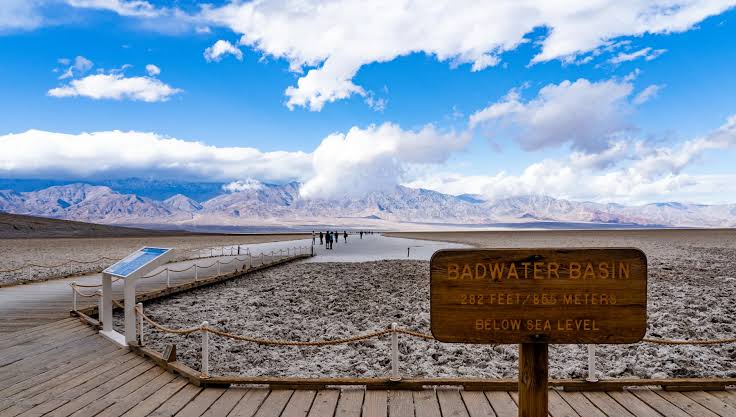
Death Valley National Park is famous for its extreme desert environment and enormous landscapes. It is also recognized for its dark night skies.
The National Park Service identifies Death Valley as an International Dark Sky Park. The park's remote location and limited artificial lighting make it an attractive destination for astronomy enthusiasts.
Travelers can spend their days exploring salt flats, mountains, dunes, and scenic viewpoints before experiencing the night sky.
However, camping in Death Valley requires careful preparation. Summer temperatures can become dangerously high, making seasonal planning especially important.
Best Time to Visit Death Valley
Cooler months are generally more suitable for camping and outdoor exploration. Travelers should always check current weather conditions and park advisories before visiting.
Best for: Desert camping, night-sky photography, remote landscapes, and experienced outdoor travelers.
Bryce Canyon National Park, Utah
Bryce Canyon National Park is famous for its colorful hoodoos and dramatic geological formations. It is also well known for astronomy and night-sky programs.
The National Park Service highlights Bryce Canyon's dark skies and astronomy activities. Visitors can participate in astronomy programs when available and learn more about the night sky from park staff and astronomy experts.
The hoodoos create a spectacular foreground for astrophotography. During the day, visitors can hike around the canyon, while nighttime provides an entirely different experience.
Camping at Bryce Canyon
Camping options are available within and around the park, although reservations and seasonal availability can change.
The higher elevation means nighttime temperatures can become cold, even during some warmer months. Travelers should bring suitable sleeping bags and layers.
Best for: Family camping, astronomy programs, hiking, photography, and scenic landscapes.
Atacama Desert, Chile
The Atacama Desert is one of the world's most famous astronomy destinations. Located in northern Chile, the region is known for its extremely dry climate, high elevation, and low levels of artificial light.
The Atacama is home to major astronomical facilities, including observatories operated by international scientific organizations. The European Southern Observatory operates major facilities in the region because of its exceptional observing conditions.
For travelers, the Atacama offers opportunities to combine desert exploration with guided astronomy experiences.
Traditional camping opportunities vary by location, so travelers should research local regulations and accommodation options before planning an overnight outdoor stay.
Why Visit the Atacama for Stargazing?
The combination of high elevation, dry conditions, and limited light pollution makes the region particularly attractive for astronomy.
Travelers can explore salt flats, volcanic landscapes, lagoons, and desert valleys during the day before joining an astronomy tour after dark.
Best for: Serious stargazing, astronomy tours, astrophotography, desert landscapes, and adventure travel.
Aoraki Mackenzie, New Zealand
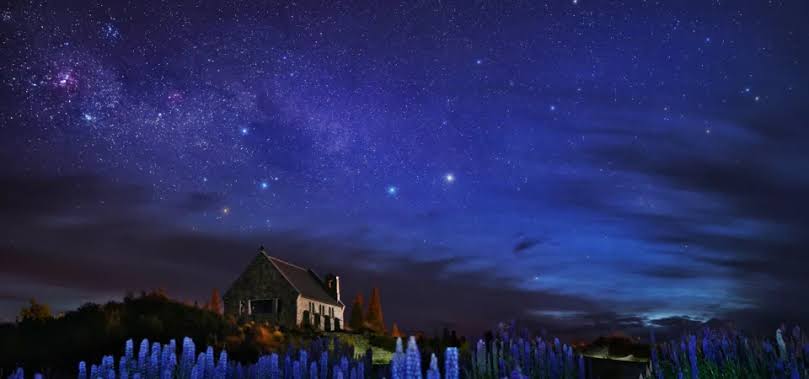
Aoraki Mackenzie on New Zealand's South Island is one of the world's best-known dark-sky regions.
The Aoraki Mackenzie International Dark Sky Reserve covers a large area and is recognized for its exceptionally dark skies. The region includes Lake Tekapo, mountain landscapes, and the Southern Alps.
The Southern Hemisphere provides a different view of the night sky compared with destinations in the Northern Hemisphere. Travelers may see constellations and celestial features that are difficult or impossible to observe from northern locations.
Camping and Outdoor Activities in Aoraki Mackenzie
Visitors can combine stargazing with hiking, scenic drives, photography, lake activities, and mountain exploration.
The region offers a range of accommodation, including camping facilities and other outdoor-friendly options.
Best for: Southern Hemisphere astronomy, mountain landscapes, photography, hiking, and camping.
NamibRand Nature Reserve, Namibia
NamibRand Nature Reserve is a spectacular destination for travelers who want a remote desert stargazing experience.
The reserve is recognized as an International Dark Sky Reserve and is located in a region with very little artificial light.
The Namib Desert provides a dramatic setting for astronomy. During the day, travelers can explore desert landscapes and experience wildlife, while nighttime offers exceptionally dark conditions for observing the stars.
Many visitors stay in safari-style camps or lodges rather than traditional public campgrounds. This makes the region particularly attractive for travelers who want a combination of wilderness and comfortable accommodation.
Best for: Luxury camping, desert astronomy, wildlife, photography, and remote travel.
La Palma, Canary Islands, Spain
La Palma is an excellent option for travelers looking for a European destination with strong astronomy credentials.
The island's high elevations, geography, and efforts to protect its night sky have helped make astronomy an important part of tourism.
The Roque de los Muchachos Observatory is located at high elevation, and the island has established measures to limit the effects of artificial light.
Travelers can combine stargazing with hiking, volcanic landscapes, scenic drives, and coastal exploration.
Best for: European stargazing, volcanic scenery, hiking, astronomy tours, and outdoor travel.
Natural Bridges National Monument, Utah
Natural Bridges National Monument is an important destination in the history of dark-sky conservation.
The National Park Service designated Natural Bridges as an International Dark Sky Park in 2007. Its remote location provides an excellent environment for experiencing natural darkness.
The monument's natural bridges create interesting foregrounds for astrophotography. Travelers can spend the day hiking and exploring the geological formations before watching the night sky from the campground.
Best for: Dark-sky camping, astrophotography, hiking, and remote outdoor experiences.
Best Camping and Stargazing Destinations for Families
Camping and stargazing can be excellent family activities because they combine education, nature, adventure, and entertainment.
Choose Accessible Locations
Families may prefer destinations where campsites are close to roads, facilities, and visitor centers.
National parks such as Bryce Canyon and Grand Canyon can work well because they offer a combination of camping, hiking, scenic viewpoints, educational programs, and astronomy activities.
Make Stargazing Fun for Children
Children may enjoy stargazing more when it becomes an activity rather than simply standing outside and looking at the sky.
Parents can bring a simple star map, binoculars, red-light flashlight, blankets, snacks, and an astronomy app.
Identifying the Moon, bright planets, and major constellations can turn an evening into a fun learning experience.
Best Destinations for Astrophotography
Astrophotography has become a popular reason to visit dark-sky destinations. Travelers can capture the Milky Way, stars, planets, meteor showers, and landscapes under the night sky.
Desert Landscapes
Deserts provide excellent foregrounds because they often have little artificial light and wide-open views.
The Atacama Desert, Big Bend, Death Valley, Joshua Tree, and NamibRand are particularly interesting for photographers.
Mountain Landscapes
Mountain destinations can create dramatic photographs when stars appear above peaks, lakes, valleys, and forests.
New Zealand and other high-elevation destinations offer opportunities to combine astronomy with mountain photography.
National Parks
National parks provide some of the most interesting natural foregrounds for night photography.
Before using professional photography equipment, travelers should check local park regulations concerning tripods, vehicles, camping areas, and nighttime access.
Best Time of Year for Camping and Stargazing
The best season depends on the destination, climate, altitude, and personal comfort.
Spring Camping
Spring can offer comfortable temperatures in many regions and is a popular season for hiking and outdoor travel.
However, some mountain destinations may still have snow, while desert areas can begin experiencing warmer temperatures.
Summer Camping
Summer provides long days and generally comfortable conditions in many northern destinations, but it can also bring heat, crowds, and shorter periods of darkness.
Travelers should remember that summer nights at higher latitudes can be relatively short.
Autumn Camping
Autumn can be an excellent season for camping and stargazing. Cooler temperatures, changing foliage, and longer nights can create beautiful outdoor conditions.
It can also provide opportunities to avoid peak-season crowds.
Winter Camping
Winter camping can provide extremely clear skies in some destinations, but cold temperatures require specialized equipment.
Travelers should understand the risks of cold weather camping and choose locations appropriate for their experience level.
What to Pack for a Stargazing Camping Trip
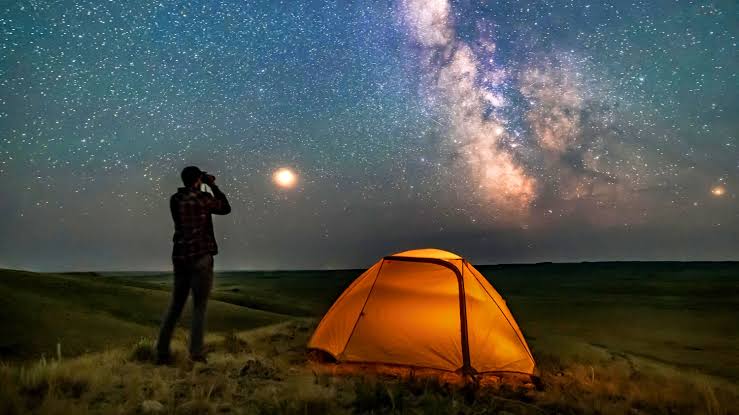
A good packing list can make a major difference when spending several hours outdoors at night.
Essential Camping Equipment
Bring a suitable tent, sleeping bag, sleeping pad, weather-appropriate clothing, water, food, first-aid supplies, and navigation equipment.
The exact equipment depends on the destination and season.
Stargazing Equipment
Beginners do not need expensive equipment. The naked eye can reveal thousands of stars under sufficiently dark skies.
A pair of binoculars can provide a simple upgrade. Travelers who are more serious about astronomy may eventually consider a telescope.
Red Light
A red-light flashlight can be useful because it allows travelers to move around at night while helping preserve night vision.
Avoid using bright white lights unnecessarily when other people are stargazing nearby.
How to Improve Your Stargazing Experience
You can make a camping and stargazing trip much more enjoyable with a little preparation.
Check the Moon Phase
A bright full moon can make it harder to see faint stars. Travelers who want to photograph the Milky Way may prefer periods around the new moon.
However, moonlight can also create beautiful landscape photography, so the best moon phase depends on your goal.
Check the Weather
Always check the forecast before heading to a remote camping destination.
Clouds, rain, strong winds, and storms can make stargazing difficult and can create safety problems for campers.
Give Your Eyes Time to Adjust
Human eyes need time to adjust to darkness. Spending 20 to 30 minutes away from bright lights can make a noticeable difference.
Avoid looking at a bright phone screen repeatedly while trying to observe faint stars.
Responsible Camping and Stargazing
Travelers should protect the places they visit.
Follow Leave No Trace Principles
Pack out your waste, respect wildlife, stay on designated trails, and avoid damaging plants or natural features.
If you build a fire, follow local rules and restrictions. Some areas prohibit fires entirely because of wildfire risk.
Protect the Night Sky
Avoid unnecessary artificial light and use dim or red lighting when possible.
Respect other campers who may be visiting specifically to experience natural darkness.
Respect Wildlife
Many animals are active at night. Keep a safe distance from wildlife and avoid using bright lights to disturb animals.
Follow all national park and campground regulations.
Camping and Stargazing Safety Tips
Remote destinations can be beautiful, but travelers need to prepare carefully.
Check Local Conditions
Before traveling, check weather forecasts, road conditions, campground availability, fire restrictions, and park alerts.
Conditions can change quickly in deserts and mountains.
Carry Enough Water
Water is especially important in desert destinations. Never assume that a remote campground will have reliable drinking water.
Tell Someone About Your Plans
If you are camping in a remote area, tell someone where you are going and when you expect to return.
Carry navigation tools and understand the area's emergency procedures.
How to Choose the Best Destination for Your Trip
The best destination for camping and stargazing depends on your travel style, budget, experience, and preferred landscape.
If you want easy access and family-friendly activities, a national park may be the best option.
If you want extreme darkness and remote landscapes, consider destinations such as Big Bend, NamibRand, or the Atacama Desert.
If you are interested in astronomy and professional observatories, destinations such as the Atacama Desert and La Palma can provide specialized experiences.
If you want a combination of mountains, lakes, camping, and Southern Hemisphere astronomy, Aoraki Mackenzie is an excellent type of destination to consider.
Must Read:
- Best Adventure Travel Destinations for Thrill Seekers
- Best National Parks to Visit for Nature and Wildlife
- How to Find Travel Deals Online: Flights, Hotels & Packages
Final Thoughts:
The best destinations for camping and stargazing provide more than a beautiful place to spend the night. They offer travelers an opportunity to slow down, disconnect from everyday routines, explore nature, and experience the night sky away from artificial light.
Joshua Tree and Big Bend provide impressive desert environments in the United States, while the Grand Canyon and Bryce Canyon combine astronomy with iconic national park scenery. The Atacama Desert offers exceptional conditions for astronomy, Aoraki Mackenzie provides spectacular Southern Hemisphere skies, and NamibRand delivers a remote desert experience in Namibia.
The best destination ultimately depends on what you want from your trip. Families may prefer accessible national parks with astronomy programs, photographers may look for dramatic landscapes, and experienced campers may want remote locations with exceptionally dark skies.
Camping under a clear night sky can turn an ordinary vacation into a memorable outdoor adventure. With the right destination, appropriate equipment, good weather planning, and respect for nature, travelers can enjoy one of the simplest and most rewarding travel experiences: sitting outside after dark and looking up at the stars.