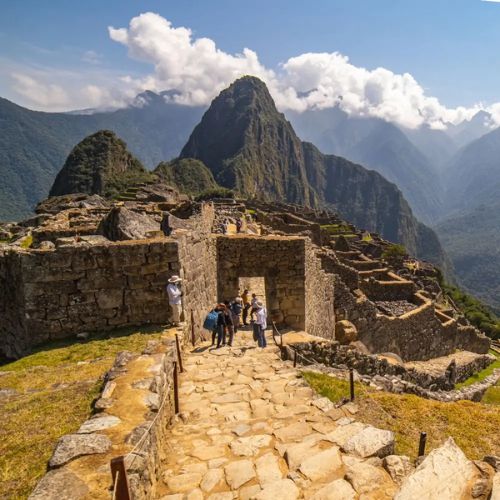
- Ancient Inca citadel in Andes
- Iconic stone terraces and temples
- UNESCO World Heritage archaeological site
- Breathtaking mountain landscape views
Visiting Machu Picchu is a once-in-a-lifetime experience, but it requires careful planning. Machu Picchu tickets are strictly controlled, routes are fixed, and entry times are regulated to protect the site. Without proper preparation, travellers often miss preferred routes, pay more than necessary, or struggle with timing conflicts. This complete guide explains Machu Picchu tickets in detail, covering routes, prices, timing, booking methods, and practical planning tips so you can visit with confidence and clarity.
Machu Picchu sits high in the Andes Mountains and attracts visitors from all over the world. Due to its cultural importance and fragile environment, the Peruvian government limits daily visitors and enforces a structured entry system. Understanding how Machu Picchu tickets work is essential, especially for first-time visitors who may not realise how quickly tickets sell out or how strict entry rules are. This guide is designed to remove confusion and help you plan a smooth, rewarding visit.
Introduction to Machu Picchu Tickets
Machu Picchu tickets are not simple entry passes. They are tied to specific routes, time slots, and visitor categories. Each ticket determines where you can walk, how long you can stay, and which viewpoints or mountains you can access. Because the site uses a one-way circuit system, choosing the right ticket directly shapes your experience.
Many travellers assume they can buy tickets at the gate, but this is rarely possible. Tickets often sell out weeks or months in advance, particularly during the dry season. Understanding ticket types early allows you to align your travel dates, train schedules, and accommodation plans. Whether you want classic ruins access, panoramic viewpoints, or challenging mountain hikes, choosing the right Machu Picchu ticket is the foundation of a successful visit.
Understanding the Machu Picchu Entry System
Machu Picchu operates under strict preservation rules designed to protect the ancient Inca structures and surrounding ecosystem. These rules affect how tickets are issued and how visitors move inside the site.
Why Machu Picchu Uses Timed Entry
Timed entry limits the number of people entering at any given hour. This reduces overcrowding, prevents erosion, and protects stone paths. Visitors must enter during their assigned time window, and late arrivals may be denied access. Timed entry also improves visitor safety and comfort.
Daily Visitor Limits Explained
The government sets a maximum number of visitors per day, divided across different time slots and routes. This is why tickets sell out quickly, especially for popular circuits and mountain hikes. Once a route reaches capacity, no additional tickets are released.
One-Time Entry Rule
Machu Picchu tickets allow one-time entry only. Re-entry is not permitted, even if you exit briefly. This makes route planning essential. Once you start your circuit, you must complete it without returning to previous areas.
Machu Picchu Ticket Types Explained
Choosing the correct ticket type depends on your fitness level, interests, and available time. Each ticket offers a different experience.
Machu Picchu Citadel Only Ticket
This is the most common ticket and includes access to the main ruins through selected circuits. It suits first-time visitors who want to explore temples, terraces, and viewpoints without hiking additional mountains.
Machu Picchu + Huayna Picchu Ticket
This ticket includes entry to the citadel plus a steep hike up Huayna Picchu. The trail is narrow and challenging but offers iconic aerial views. It is suitable for fit travellers comfortable with heights.
Machu Picchu + Machu Picchu Mountain
This option includes a longer but less steep hike than Huayna Picchu. The trail offers wide paths and expansive views. It is ideal for travellers who want panoramic scenery without extreme exposure.
Machu Picchu + Huchuy Picchu
Huchuy Picchu is a shorter, easier hike introduced to spread visitor demand. It suits beginners and those with limited time who still want a mountain viewpoint experience.
Machu Picchu Routes and Circuits Explained
To protect the ruins, Machu Picchu uses fixed walking circuits. Visitors must follow directional routes without deviation.
Overview of Official Circuits
Circuits are designed to manage foot traffic and reduce wear on stone paths. Each circuit focuses on different sections of the site, such as upper viewpoints or lower agricultural areas.
Circuit 1: Upper Viewpoints Route
This circuit focuses on panoramic views and classic photo spots. It offers limited access to inner ruins but is excellent for photography and short visits.
Circuit 2: Classic Route
Circuit 2 is the most comprehensive and popular route. It includes iconic viewpoints and detailed exploration of temples and plazas. Most first-time visitors choose this circuit.
Circuit 3: Lower Route
This route explores terraces and lower structures. It is less crowded and suits visitors interested in agricultural history or those with mobility considerations.
Which Route Is Best for You
Fitness level, photography goals, and visit duration should guide route choice. Circuit 2 offers the most balanced experience for most travellers.
Machu Picchu Ticket Prices
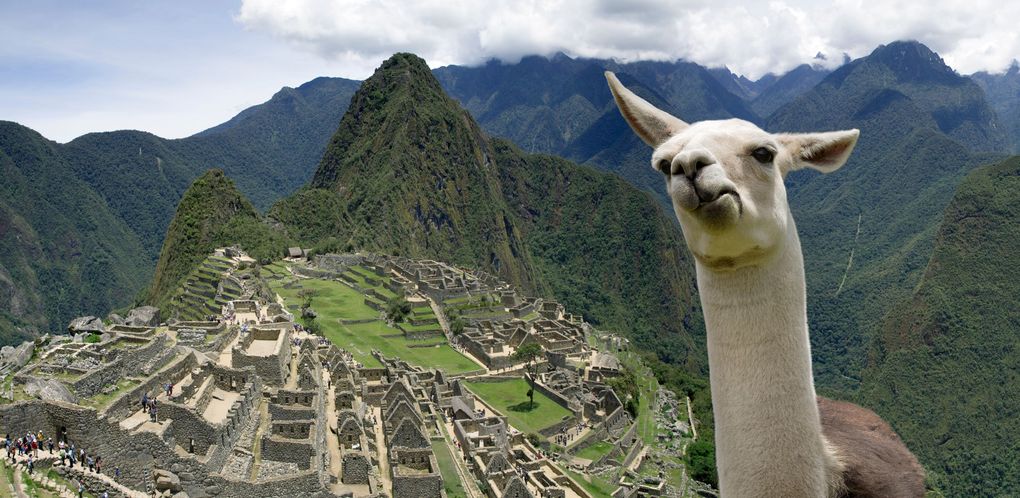
Machu Picchu ticket prices depend on the route selected, whether a mountain hike is included, and the visitor category. The Peruvian authorities use pricing as part of their conservation strategy, limiting numbers on sensitive trails. Understanding price differences helps travellers choose tickets that match their budget and interests while avoiding last-minute surprises. Planning early is important because popular ticket categories often sell out well before travel dates.
Adult Ticket Prices
Standard adult prices apply to most international visitors entering Machu Picchu. These prices vary depending on the selected circuit and whether mountain access is included. Tickets that combine the citadel with Huayna Picchu or Machu Picchu Mountain cost more due to restricted daily entry limits. Adult travellers should book early to secure preferred routes at official prices.
Student and Child Discounts
Discounts are available for students and children, making Machu Picchu more accessible for families and young travellers. Students must present valid international student identification with a clear expiry date. Child tickets apply only within specific age ranges. Incorrect or expired documentation leads to denial of entry, so travellers should double-check eligibility before booking discounted Machu Picchu tickets.
Peruvian Resident Pricing
Peruvian citizens and legal residents benefit from reduced ticket prices as part of national heritage access policies. Proof of nationality or residency is required at entry, and names must match official identification exactly. These discounts apply only to eligible visitors and cannot be transferred. Travellers using resident pricing should ensure documents are current to avoid entry issues.
Mountain Hike Price Differences
Mountain hike tickets are priced higher due to limited daily capacity and increased maintenance requirements. Huayna Picchu tickets are usually the most expensive because of high demand and steep terrain. Machu Picchu Mountain tickets offer similar panoramic views but are less crowded and slightly easier, often providing better value for travellers seeking a quieter hiking experience.
Best Time of Day to Visit Machu Picchu
The time of day you enter Machu Picchu strongly affects crowd levels, weather conditions, and overall atmosphere. Entry slots are fixed, so choosing the right one helps shape your experience. Some visitors prefer early mornings for tranquillity, while others choose midday or afternoon for clearer views. Understanding these differences helps travellers select the most suitable Machu Picchu ticket time.
Morning Entry Slots
Morning entry slots often feature mist drifting through the ruins, creating a dramatic and mystical setting. Temperatures are cooler, and crowds are lighter, especially during the first hours of opening. While visibility may be limited early on, clouds frequently clear later. Morning visits suit travellers who value atmosphere, photography with mood, and a calmer pace inside the site.
Midday Entry Slots
Midday entry offers the clearest visibility, with reduced cloud cover and stronger sunlight highlighting architectural details. However, this is also when visitor numbers peak, especially during the dry season. Midday visits are ideal for travellers prioritising clear views and detailed exploration over solitude. Sun protection and hydration are important due to stronger heat at this time.
Afternoon Entry Slots
Afternoon entry slots are less crowded and provide softer, warmer lighting that many photographers prefer. Temperatures begin to drop slightly, and movement inside the site feels more relaxed. This time suits travellers who want a slower experience without early starts. Afternoon visits also work well for those arriving later from Cusco or the Sacred Valley.
Best Time of Year to Visit Machu Picchu
Seasonal changes play a major role in weather conditions, crowd levels, and ticket availability at Machu Picchu. Understanding seasonal patterns helps travellers choose travel months that match their comfort level and expectations. While the site is open year-round, each season offers distinct advantages and challenges that influence overall experience and planning requirements.
Dry Season (May to September)
The dry season provides the most stable weather, with clearer skies and minimal rainfall. This period attracts the highest number of visitors, causing tickets to sell out quickly. Trails are safer and views are sharp, making it ideal for first-time visitors. However, advance booking is essential, and crowds are significantly higher throughout the day.
Wet Season (November to March)
During the wet season, rain is more frequent, and cloud cover is common. The landscape becomes lush and vibrant, offering a different visual appeal. Crowds are smaller, and tickets are easier to obtain. Trails may be slippery, so proper footwear is essential. Travellers who prioritise scenery and solitude often enjoy this season.
Shoulder Seasons (April and October)
April and October balance weather and crowd levels, making them popular with experienced travellers. Rainfall is lower than in the wet season, and crowds are more manageable than during peak dry months. Visibility is generally good, and ticket availability improves. Many consider these months the best overall time to visit Machu Picchu comfortably.
Weather Conditions and Visibility
Weather conditions directly affect visibility, trail safety, and comfort at Machu Picchu. Morning fog is common, especially during wetter months, while rain can make stone steps slippery. Sudden weather changes are possible due to mountain conditions. Checking forecasts before visiting helps travellers prepare appropriate clothing and manage expectations regarding views and photography opportunities.needs.
How to Book Machu Picchu Tickets
Booking Machu Picchu tickets requires attention to detail because availability is limited and rules are strict. Different booking methods offer varying levels of convenience, cost, and support. Understanding how each option works helps travellers avoid sold-out dates, incorrect routes, or entry issues. Planning ahead is essential, especially during peak seasons, as last-minute booking often leads to fewer choices and higher stress.
Official Government Website
The official government website is the most direct and cost-effective way to book tickets for Machu Picchu. It offers full access to all ticket types but requires careful navigation and advance planning. Availability updates in real time, and popular routes sell out quickly. Travellers must enter personal details accurately, as even small errors can cause problems at entry.
Third-Party Platforms
Third-party booking platforms provide added convenience, customer support, and easier interfaces. These services are helpful for international travellers unfamiliar with the official system. However, they usually charge service fees, increasing the total cost. While reliable, travellers should confirm that the platform is authorised and clearly states ticket type, route, and entry time before completing payment.
Booking Through Tour Operators
Tour operators manage tickets, transport, guides, and timing in one package. This option is useful for travellers booking late or those who prefer guided experiences. Operators can sometimes secure tickets when individual availability appears limited. However, packages cost more and offer less flexibility. Travellers should review inclusions carefully to ensure the selected route and timing match expectations.
Common Booking Mistakes
Common mistakes include choosing the wrong date, selecting an unsuitable route, or ignoring identification requirements. Many travellers also overlook time slot restrictions or assume re-entry is allowed. Once booked, most tickets cannot be changed or refunded. Always double-check personal details, ticket type, and entry time before payment to avoid costly errors.
Machu Picchu Tickets and Train Timing
Aligning Machu Picchu ticket times with train schedules is essential for a smooth visit. Trains run between Cusco, Ollantaytambo, and Aguas Calientes, the gateway town. From Aguas Calientes, shuttle buses take visitors to the entrance. Poor timing can lead to missed entry slots. Travellers should plan trains and buses carefully to arrive well before their assigned ticket time.
Machu Picchu Tickets for Hikers
Hiking tickets come with stricter rules and limited availability compared to standard entry. Mountain trails are carefully regulated to protect safety and the environment. Hikers must choose tickets that match their fitness level and comfort with heights. Proper planning, hydration, and timing are crucial, as entry windows are fixed and late arrivals may not be permitted.
Huayna Picchu Hiking Rules
Huayna Picchu has limited daily entries and fixed time slots. The trail is steep, narrow, and physically demanding, with exposure to heights. Hikers must follow marked paths and sign entry and exit logs. This hike is not recommended for those with vertigo or limited mobility. Booking well in advance is essential due to high demand.
Machu Picchu Mountain Hiking Rules
Machu Picchu Mountain offers a longer but less technical hike compared to Huayna Picchu. The trail is wider and safer, making it suitable for travellers avoiding extreme exposure. Adequate hydration, steady pacing, and proper footwear are important. Entry slots are still limited, but crowds are generally smaller than on Huayna Picchu.
Machu Picchu Tickets for Families and Seniors
Families and seniors should select routes that prioritise comfort and safety. Easier circuits, such as classic or lower routes, offer stable paths and manageable walking distances. Early entry times help avoid crowds and fatigue. While the site is uneven, careful route selection and pacing allow families and older travellers to enjoy Machu Picchu without unnecessary strain.
How Long to Spend Inside Machu Picchu
Most visitors spend between two and four hours inside Machu Picchu, depending on the selected circuit and walking pace. Those combining entry with mountain hikes should plan additional time, often extending visits to five or six hours. Spending too little time can feel rushed, while longer stays require good energy management due to altitude and walking demands.
What Happens If You Miss Your Entry Time
Missing your assigned entry time can result in denied access without refund. Machu Picchu enforces time slots strictly, especially during busy periods. Late arrivals are rarely accommodated, even if delays are due to transport issues. Travellers should arrive early in Aguas Calientes and allow buffer time for buses and queues to avoid losing entry.
Rules and Restrictions Visitors Must Know
Strict rules protect Machu Picchu’s fragile structures. Prohibited items include large backpacks, tripods, drones, and food. Visitors must follow designated routes and behave respectfully. Running, climbing walls, or touching ruins is forbidden. Security checks are enforced at entry. Understanding these restrictions helps travellers prepare properly and avoid entry delays or penalties.
Common Machu Picchu Ticket Mistakes to Avoid

Many travellers wait too long to book tickets, limiting route choices. Others select hikes beyond their fitness level or underestimate altitude effects. Ignoring weather conditions and transport timing also causes problems. Poor planning often leads to stress or missed experiences. Careful preparation and realistic expectations help avoid these common mistakes and improve overall enjoyment.
Is Machu Picchu Worth the Ticket Price
Most visitors consider Machu Picchu worth the ticket price due to its cultural importance, dramatic setting, and historical depth. The experience goes beyond sightseeing, offering insight into Inca engineering and Andean landscapes. While tickets are not cheap, careful planning ensures good value. Choosing the right route and timing maximises satisfaction and creates a truly memorable visit.
Final Planning Checklist for Machu Picchu Tickets
Careful planning is essential when visiting Machu Picchu, as tickets, timing, and logistics are tightly controlled. A well-prepared checklist helps avoid last-minute stress, missed entry, or unnecessary expenses. Use the following step-by-step planning checklist to ensure your Machu Picchu ticket experience is smooth, organised, and memorable.
Confirm the Correct Ticket Type and Route
Start by confirming that you have selected the correct Machu Picchu ticket type. Double-check whether your ticket includes only the citadel or additional mountain access such as Huayna Picchu, Machu Picchu Mountain, or Huchuy Picchu. Verify the assigned circuit, as routes are fixed and cannot be changed on arrival. Choosing the wrong route can significantly alter your experience, so ensure it matches your fitness level and sightseeing goals.
Verify Entry Date and Time Slot
Machu Picchu tickets are valid only for the specific date and time slot printed on them. Carefully review your entry time and plan your travel accordingly. Entry is strictly controlled, and late arrivals are often denied without refund. Confirm that your chosen time slot aligns with your train and bus schedules to avoid missing your entry window.
Check Personal Details and Identification
Ensure that all personal details on your ticket match your official identification exactly. Names, passport numbers, and dates of birth must be accurate. Bring the same ID used during booking, as it will be checked at entry. Students using discounted tickets must carry valid student identification that meets official requirements, including an expiry date.
Align Train and Bus Transport
Confirm your train tickets between Cusco or Ollantaytambo and Aguas Calientes well in advance. From Aguas Calientes, shuttle buses transport visitors to the Machu Picchu entrance. Factor in waiting times, queues, and possible delays. Always plan to arrive in Aguas Calientes early enough to comfortably reach the entrance before your scheduled entry time.
Prepare for Weather and Altitude
Check weather forecasts for your visit date and pack accordingly. Bring layered clothing, a light rain jacket, sun protection, and sturdy walking shoes. Weather can change quickly in the Andes, and stone paths can become slippery. Also consider altitude effects, especially if arriving from lower elevations. Staying hydrated and pacing yourself improves comfort and safety.
Review Site Rules and Prohibited Items
Familiarise yourself with Machu Picchu’s rules before arrival. Large backpacks, tripods, drones, and certain food items are prohibited. Bags may be measured at entry, and prohibited items must be left behind. Knowing these restrictions in advance prevents delays and frustration at security checkpoints.
Decide on a Guide in Advance
While not always mandatory, hiring a guide can greatly enhance your understanding of Machu Picchu’s history and architecture. Decide in advance whether you want a guided tour or prefer exploring independently. Booking a guide early ensures availability, especially during peak seasons, and helps you plan your route more efficiently.
Plan Visit Duration Realistically
Estimate how long you will spend inside Machu Picchu based on your selected route. Most visitors spend two to four hours, while mountain hikes add extra time. Avoid overpacking your schedule for the same day. Allow enough time to explore without rushing, take photos, and rest when needed.
Carry Printed and Digital Copies
Bring both printed and digital copies of your Machu Picchu tickets and transport confirmations. Mobile access may be limited in some areas, and having backups ensures smooth entry if technical issues arise.
Final Pre-Visit Review
One day before your visit, recheck tickets, transport times, weather forecasts, and identification. A final review helps catch small errors and ensures everything is ready. With this checklist completed, you can approach your Machu Picchu visit confidently and fully enjoy one of the world’s most extraordinary archaeological sites.
Must Read:
- Dubai Frame Tickets: Best Time to Visit
- Tokyo Skytree Tickets: Prices, Views & Booking Guide
- Buckingham Palace Tickets: Plan a Better Visit
FAQs:
How far in advance should I book
At least one to three months ahead during peak season.
Can I change my ticket date
Changes are usually not allowed.
Is a guide mandatory
Guides are recommended and sometimes required.
Are tickets refundable
Most tickets are non-refundable.
Which route is easiest
Lower circuits and citadel-only tickets.
Can children hike Huayna Picchu
Age and height restrictions apply.
Final Words:
Machu Picchu tickets demand careful planning, patience, and close attention to detail, yet the reward is truly extraordinary. When travellers understand routes, prices, time slots, and seasonal conditions, they avoid unnecessary stress and costly mistakes. Advance booking secures preferred circuits, while smart timing improves comfort, visibility, and crowd flow.
Aligning tickets with trains and buses ensures smooth entry, and respecting site rules protects this irreplaceable heritage. With preparation complete, visitors can focus on the experience itself: dramatic landscapes, remarkable engineering, and deep cultural meaning. A well organised plan transforms Machu Picchu from a complex booking challenge into a memorable journey.