Travel is changing quickly in 2026. Travelers are no longer choosing destinations only because they are famous or because they appear on a traditional bucket list. Instead, people are building trips around their interests, budgets, lifestyles, wellness goals, food preferences, relationships, hobbies, and personal experiences.
The top travel trends that will shape 2026 show a clear move toward more personalized, flexible, meaningful, and experience-focused travel. Recent research from Booking.com, based on more than 29,000 travelers across 33 countries and territories, points toward highly personalized trips built around individual interests and passions. Skyscanner's 2026 research also identifies stronger interest in family travel, hiking, distinctive accommodation, local food, beauty experiences, books, and meeting people while traveling.
For travelers, this means the traditional idea of taking a vacation is evolving. A trip can now be designed around a favorite book, a food experience, a wellness goal, a mountain adventure, a special milestone, or even the hotel itself.
Personalized Travel Will Become More Important
One of the biggest travel trends in 2026 is personalization. Travelers increasingly want vacations that reflect who they are instead of following standard itineraries.
Booking.com's 2026 Travel Predictions found that travelers are moving toward highly individualized journeys. The research surveyed 29,733 people across 33 countries and territories and found growing interest in trips built around personal interests, goals, passions, and unusual experiences.
This means two people visiting the same city may have completely different vacations. One person may plan a food-focused trip, another may focus on architecture, while someone else may prioritize hiking, shopping, wellness, nightlife, or local culture.
Travel companies are responding by offering more flexible choices. Hotels, vacation rentals, airlines, tour companies, and travel platforms can increasingly tailor recommendations according to travelers' preferences.
For travel websites and bloggers, this trend also creates opportunities to publish highly specific content. Instead of simply writing about the “best places to visit,” travelers may search for topics such as the best destinations for food lovers, the best cities for book lovers, or the best destinations for solo travelers.
AI Will Change How People Plan Trips
Artificial intelligence is becoming an increasingly useful part of travel planning. Travelers can use AI tools to generate itinerary ideas, compare destinations, organize activities, summarize travel information, and personalize trip plans.
AI is particularly useful when travelers have several requirements. Someone might want a seven-day European trip with moderate costs, short travel distances, family-friendly hotels, outdoor activities, and local restaurants. An AI travel assistant can help organize those requirements into a starting itinerary.
Booking.com's 2026 research also highlights the growing role of technology in highly personalized travel experiences.
However, AI will not completely replace traditional travel research. Travelers still need to verify opening hours, transportation schedules, entry requirements, weather conditions, hotel policies, and other time-sensitive information.
The future of travel in 2026 is therefore likely to involve a combination of AI assistance and human decision-making. AI can help organize information, while travelers remain responsible for choosing what fits their needs.
Travel Will Become More Experience-Focused
Another major travel trend for 2026 is the shift from simply visiting destinations to participating in experiences.
Instead of asking only, “Where should I go?” travelers are increasingly asking, “What do I want to do?”
That could mean learning to cook traditional food in Italy, taking a photography trip through Iceland, hiking in Switzerland, attending a music festival, joining a meditation retreat, visiting local markets, or staying in a unique property.
Skyscanner's 2026 Travel Trends report describes this movement as travel becoming more personal and connected to individual interests. Its research found that 32% of surveyed U.S. travelers planned family travel, 24% planned hiking adventures, and 32% expected to stay in accommodation that is itself part of the destination experience.
This suggests that activities, accommodation, and personal interests will increasingly influence destination choices.
Wellness Travel Will Continue to Grow
Wellness is becoming a significant part of modern travel. Travelers are increasingly using vacations as an opportunity to rest, exercise, spend time in nature, improve sleep, practice mindfulness, or simply slow down.
The best wellness travel experiences in 2026 may include yoga retreats, hot springs, spa resorts, hiking trips, meditation programs, healthy cuisine, forest stays, and digital detox vacations.
Wellness travel does not necessarily mean booking an expensive retreat. A quiet beach destination, mountain cabin, nature lodge, or hotel with wellness facilities can provide a similar type of experience.
The broader wellness tourism market has also grown significantly, reflecting increasing consumer interest in travel connected with personal well-being.
For travelers, the important change is that wellness is becoming part of the entire vacation rather than a single spa appointment.
Sustainable Travel Will Influence More Decisions
Sustainability remains one of the important travel trends shaping 2026.
Booking.com's 2026 Sustainable Travel research found that 85% of travelers consider more sustainable travel important or very important. The same research found that 43% planned to avoid crowds, 42% planned to travel outside peak season, and 25% planned to visit cooler destinations.
Sustainable travel can involve several choices. Travelers may choose public transportation, stay at accommodation with credible sustainability certifications, visit less crowded destinations, support local businesses, reduce unnecessary waste, or travel during shoulder seasons.
The concept is also moving beyond simply choosing an “eco-friendly hotel.” Travelers are becoming more interested in how tourism affects local communities, natural environments, resources, and cultural heritage.
For destinations, this creates an incentive to manage tourism more responsibly while providing visitors with authentic experiences.
Off-Season Travel Will Become More Attractive
Peak-season travel can mean higher prices, crowded attractions, busy airports, and limited hotel availability. As travelers become more conscious of costs and crowding, off-season and shoulder-season travel are becoming more attractive.
Booking.com's 2026 sustainability research found that 42% of travelers planned to travel out of season, while 43% planned to avoid crowds.
This could change the way people plan vacations.
Instead of visiting a destination only during its busiest month, travelers may choose spring or autumn. This can provide different weather, fewer crowds, and potentially better value.
Off-season travel also allows visitors to experience destinations at a slower pace. Restaurants may be less crowded, popular attractions may be easier to access, and travelers can spend more time interacting with local communities.
Cooler Destinations Will Gain Attention

Extreme weather is becoming an important consideration when travelers choose where and when to go.
Booking.com's 2026 research found that 74% of travelers consider extreme-weather risk when selecting both destinations and travel timing. It also found that 25% planned to visit cooler destinations.
This supports the growth of so-called cool-weather vacations.
Instead of automatically choosing hot beach destinations during summer, some travelers may look toward mountains, northern countries, coastal regions with milder temperatures, or destinations with cooler seasonal conditions.
Iceland, Norway, Switzerland, Canada, Scotland, and parts of Northern Europe can appeal to travelers interested in cooler environments, although weather conditions vary significantly by season and location.
This trend is also connected with outdoor activities such as hiking, cycling, scenic train journeys, and nature photography.
Solo Travel Will Become More Social
Solo travel is changing. Traveling alone does not necessarily mean spending the entire trip alone.
Skyscanner's 2026 research reports that hotel bookings using its solo traveler search filter increased 83% year over year, while 39% of travelers surveyed had traveled abroad or considered doing so to make friends, date, or meet people.
This creates a new version of solo travel where travelers have independence while still looking for social experiences.
Hostels, group tours, coworking spaces, food tours, workshops, local events, hiking groups, and social travel experiences can make it easier for solo travelers to meet people.
The result is a balance between personal freedom and social connection.
For many travelers, this can make solo vacations less intimidating and more engaging.
Multigenerational Travel Will Continue Growing
Family travel is also changing. Instead of parents traveling separately with young children, more families are planning vacations that include grandparents, parents, children, and other relatives.
Skyscanner's 2026 U.S. traveler research found that 32% of surveyed travelers planned to travel with family, including multigenerational journeys.
Multigenerational travel requires more planning because travelers may have different ages, mobility needs, budgets, interests, and preferred activities.
Destinations with a combination of beaches, sightseeing, comfortable accommodation, family activities, restaurants, and easy transportation can work particularly well.
Vacation rentals can also be attractive because larger families may prefer kitchens, multiple bedrooms, living areas, and shared spaces.
Hotels Will Become Part of the Destination
Hotels are no longer simply places to sleep.
One of the notable travel trends for 2026 is destination-focused accommodation, where the hotel or resort itself becomes an important reason for taking the trip.
Skyscanner reports that 32% of surveyed U.S. travelers planned to stay in accommodation that is part of the experience or destination.
This can include beachfront resorts, mountain lodges, historic hotels, wellness retreats, design-focused properties, eco-lodges, treehouses, villas, and unusual vacation rentals.
For some travelers, the accommodation can influence the destination decision.
Instead of choosing a city first and then searching for a hotel, travelers may see a unique property and decide to build their vacation around it.
Food Travel Will Move Beyond Restaurants
Food tourism is another important trend. Travelers are increasingly interested in authentic local food experiences, not just expensive restaurants.
Skyscanner's 2026 research identifies “Shelf Discovery” as a food trend, reflecting interest in exploring local grocery stores and food aisles. Its survey found that 31% of U.S. travelers planned to explore local supermarkets or grocery stores.
This is an interesting shift because supermarkets can reveal everyday aspects of local culture.
A traveler visiting Japan might explore a Japanese supermarket to see regional snacks and prepared meals. In Italy, a local market can introduce visitors to regional ingredients. In Spain, travelers may explore neighborhood food markets and specialty stores.
Food travel can also include cooking classes, street food tours, farmers' markets, bakeries, coffee shops, vineyards, and farm visits.
Literary and Book-Inspired Travel Will Grow
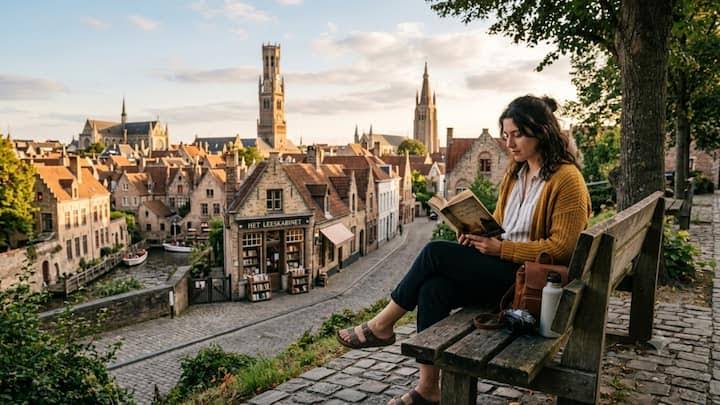
Books are becoming an unexpected source of travel inspiration.
Skyscanner's 2026 trends report includes “Bookbound” as a literature-focused trend. Its research found that 22% of surveyed U.S. travelers planned to lose themselves in a good book while traveling.
Travelers may visit places associated with authors, literary characters, famous novels, libraries, bookstores, or book festivals.
This creates opportunities for destinations that have strong literary histories.
A book-focused vacation can be as simple as visiting independent bookstores and historic libraries or as elaborate as following the locations associated with a favorite author.
Fantasy and Pop-Culture Travel Will Expand
Travel inspired by books, films, television series, games, and fantasy worlds is another emerging trend.
Booking.com's 2026 Travel Predictions found that 71% of global travelers surveyed were potentially interested in visiting a destination inspired by romantasy, while 53% were open to participating in a role-play retreat based on a favorite fantasy game, book, or film.
Technology is helping expand this type of travel. Travelers can use digital tools to locate filming locations, identify places connected to stories, and create themed itineraries.
This trend is particularly interesting for younger travelers who may be more motivated by fandom and personal interests than traditional sightseeing.
Travel Will Be More Connected to Personal Milestones
Vacations are increasingly being used to celebrate personal achievements.
Booking.com's 2026 research found that 67% of travelers surveyed said they did not need a traditional reason to book a trip, while 75% felt that working hard was enough justification for taking a vacation.
This means travel can become a personal reward.
Someone might take a vacation after completing a major project, starting a new job, reaching a fitness goal, celebrating a birthday, finishing a degree, or simply wanting to enjoy a break.
The trend reflects a broader shift toward viewing travel as part of personal lifestyle rather than something reserved for major traditional events.
Hiking and Nature Travel Will Stay Strong
Outdoor travel continues to attract people who want active experiences and time away from crowded urban environments.
Hiking is particularly versatile because it can be included in almost any type of vacation. A trip can combine a short scenic walk with city sightseeing or revolve entirely around multi-day hiking.
Skyscanner's 2026 U.S. research found that 24% of surveyed travelers planned a hiking adventure.
Nature-based travel can also connect with wellness and sustainable tourism.
Forests, mountains, national parks, lakes, beaches, and rural areas give travelers opportunities to spend more time outdoors while exploring destinations at a slower pace.
Travelers Will Look for Less Crowded Destinations
Overtourism has become a major consideration for travelers and destination managers.
Some travelers are deliberately searching for lesser-known destinations rather than visiting the world's most famous attractions during peak periods.
Skyscanner's research on Gen Z travelers found that 79% of U.S. Gen Z travelers surveyed were open to choosing a less well-known destination instead of an overly popular one, while 42% had actively planned to visit a quieter destination because of crowding concerns.
This trend could help smaller cities and emerging destinations attract visitors.
For travelers, less crowded locations can provide a different experience, although visitors should still research transportation, safety, local infrastructure, and seasonal conditions before traveling.
Meaningful Local Experiences Will Matter More
Travelers increasingly want to experience destinations rather than simply photograph them.
That can mean eating at local businesses, joining community activities, learning traditional skills, taking public transportation, visiting neighborhood markets, attending cultural events, or staying outside the main tourist districts.
Meaningful local experiences can make a trip feel more personal.
They can also help distribute tourism spending beyond major attractions and large international companies.
This does not mean every traveler needs to avoid famous attractions. Instead, travelers can balance major landmarks with smaller local experiences.
Travel Will Become More Flexible
Flexibility will remain important in 2026.
Travelers face changing weather patterns, fluctuating prices, airline schedules, work requirements, and personal commitments. As a result, flexible dates and adaptable itineraries can make travel easier.
Instead of choosing a destination first and locking everything into a rigid schedule, travelers may compare multiple dates and destinations.
Flexible planning can also help with costs. Traveling a few days earlier or later can sometimes change flight and accommodation prices significantly.
This is particularly useful for budget travelers who want to make their money go further.
How These Travel Trends Will Change Vacation Planning
The top travel trends that will shape 2026 suggest that travelers are becoming more intentional.
People are asking more questions before booking:
- What experience do I actually want?
- What fits my budget?
- Can I avoid the busiest travel period?
- What type of accommodation suits me?
- Can I combine wellness and adventure?
- Is the destination affected by seasonal weather?
- Can I support local businesses?
- Would a lesser-known destination offer a better experience?
- Can technology help me organize the trip?
- Does this vacation reflect my interests?
These questions are changing travel planning from a simple destination search into a more personalized process.
How to Use These Trends When Planning a 2026 Trip
You do not need to follow every travel trend. Instead, choose the trends that fit your travel style.
If you enjoy relaxation, consider wellness travel, quiet destinations, nature, and off-season trips.
If you enjoy adventure, focus on hiking, outdoor activities, mountain destinations, and cooler climates.
If you travel with family, look at multigenerational-friendly accommodation and destinations with activities for different age groups.
If you travel alone, consider destinations with social activities, group tours, hostels, workshops, and local experiences.
If food is your main interest, build your trip around markets, local supermarkets, cooking classes, food tours, and regional cuisine.
If technology is important to you, use AI tools to help compare destinations and create initial itineraries, but verify important travel details using reliable current sources.
Must Read:
- Best Digital Nomad Destinations for Remote Work in 2026
- Best Snowy Places to Visit in December
- How to Find Travel Deals Online: Flights, Hotels & Packages
Final Thoughts:
The top travel trends that will shape 2026 point toward a more personal and experience-driven future for tourism.
Travelers are moving beyond generic vacations and creating trips around their individual interests. AI is making trip planning more personalized, while wellness, sustainable travel, cooler destinations, off-season vacations, hiking, food experiences, literary travel, and unique accommodation are becoming increasingly important.
Family travel is also evolving through multigenerational trips, while solo travel is becoming more social. Hotels are increasingly becoming part of the destination experience, and books, films, fantasy, food, and personal milestones are influencing where people choose to go.
At the same time, travelers are paying closer attention to costs, crowds, sustainability, and weather. Booking.com's 2026 research indicates that climate-related considerations are influencing destination and timing decisions, while many travelers are looking toward off-season and cooler travel.
The biggest theme running through these 2026 travel trends is personalization. Instead of asking only which destination is popular, travelers are increasingly asking which destination, experience, accommodation, and travel style fit them personally.
That makes 2026 an exciting year for travel. Whether the goal is a quiet wellness retreat, a family adventure, a solo journey, a food-focused vacation, a hiking trip, or an unusual cultural experience, travelers have more ways than ever to create a trip around what matters to them.