
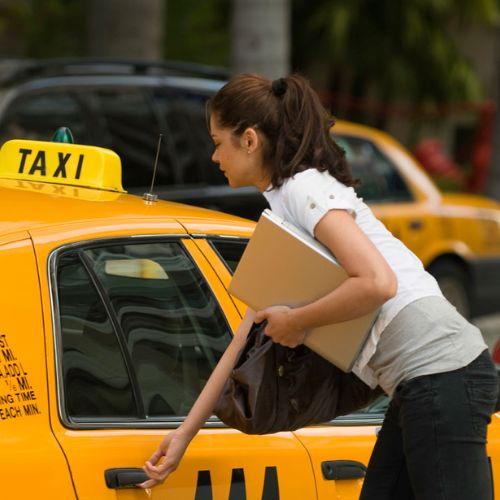
- Always use official taxis or trusted apps
- Confirm fare before starting the ride
- Avoid taxis without meters
- Track your route using maps
- Keep small cash for payments
Taking a taxi is often the first thing travellers do after arriving at a new destination. It feels simple, quick, and convenient. But this is also where many tourists face scams.
Tourist Taxi Scams targeting tourists are common worldwide. Drivers may overcharge, take longer routes, or use tricks to increase fares. Since travellers are unfamiliar with local routes and pricing, they become easy targets.
The good news is that most of these scams can be avoided with a little awareness. This guide explains how taxi scams work and how you can travel safely without being overcharged.
What Are Taxi Scams Targeting Tourists
Taxi scams are fraudulent practices used by drivers to overcharge or deceive passengers, especially tourists.
These scams often involve:
- Charging higher fares
- Taking longer routes
- Refusing to use meters
- Adding hidden charges
The goal is to earn extra money unfairly.
Why Tourists Are Easy Targets
Tourists are often targeted because:
- They are unfamiliar with local routes
- They may not know standard fares
- They rely on drivers for guidance
- Language barriers create confusion
Scammers take advantage of these situations.
How Taxi Scams Work
Most scams follow a simple pattern.
- Pickup
Tourist takes a taxi without verification. - Manipulation
Driver uses tricks to increase fare. - Confusion
Tourist is unsure about pricing. - Overpayment
Tourist pays more than necessary.
Common Taxi Scams Around the World
Meter tampering, long-route scams, fake taxis, refusal to use meters, inflated fares, currency tricks, luggage theft distractions, and unlicensed drivers targeting tourists are common taxi scams around the world.
1. No Meter Scam
Driver refuses to use the meter and charges a fixed high rate.
2. Long Route Scam
Driver takes a longer path to increase fare.
3. Broken Meter Scam
Claims the meter is not working.
4. Fake Taxi Scam
Unlicensed drivers posing as official taxis.
5. Extra Charges Scam
Adds luggage or night charges unfairly.
Real-Life Example
A traveller took a taxi from the airport without checking the fare. The driver claimed the meter was broken and charged a fixed price.
The traveller later found that the fare was double the normal rate. The driver took advantage of the situation.

Warning Signs You Should Not Ignore
Look for these red flags.
- Driver refuses to use meter
- No official taxi identification
- Unclear pricing
- Driver avoids direct answers
- Pressure to accept a ride
If you notice these signs, avoid the taxi.
Taxi Scam Types and Protection Actions
| Scam Type | How It Works | Protection Action |
|---|---|---|
| No Meter | Charges fixed high price | Insist on meter |
| Long Route | Takes longer path | Use GPS tracking |
| Broken Meter | Claims meter not working | Choose another taxi |
| Fake Taxi | Unlicensed vehicle | Use official taxis or apps |
| Extra Charges | Adds hidden fees | Confirm total fare before ride |
Where These Scams Usually Happen
Taxi scams are common in:
- Airports
- Tourist attractions
- Hotels
- Train stations
These are high-traffic areas for travellers.
Psychological Tricks Used
These scams rely on behaviour.
- Convenience: Easy ride option
- Confusion: Unfamiliar location
- Urgency: Need to reach destination
- Trust: Friendly driver
These tactics lead to quick decisions.
Quick Safety Checklist
Use this checklist before taking a taxi.
- Is the taxi official
- Is the meter working
- Do you know the route
- Is fare confirmed
- Can you track the ride
If unsure, do not proceed.
What to Do Before Taking a Taxi
Before starting your ride:
- Use trusted ride-hailing apps
- Check estimated fare
- Confirm destination clearly
- Avoid accepting random offers
These steps reduce risk.
What to Do If You Get Scammed
If you are overcharged:
- Stay calm
- Note vehicle details
- Report to local authorities
- Inform your hotel
- Warn other travellers
Taking action helps prevent further scams.
Safe Alternatives to Taxis
Consider safer options.
- Ride-hailing apps
- Hotel-arranged transport
- Public transport
- Prepaid taxi services
These options are more reliable.
Smart Habits for Safe Travel
Develop habits that protect you.
- Research local transport
- Use maps for navigation
- Keep small cash ready
- Stay alert in busy areas
- Avoid rushing decisions
These habits improve safety.
Must Read:
- Travel App Scam Alert: That Booking App Isn’t Real
- Boarding Pass Scam Alert: Your Flight May Not Exist
- Holiday Package Scam Alert: How Travellers Lose Money
Final Thoughts:
Taxi scams targeting tourists are common but avoidable. A little awareness can help you save money and avoid unnecessary stress during your trip.
Take a moment to verify before getting into a taxi. That small step can make your journey smoother and safer.