- Always verify bookings through official platforms
- Do not trust screenshots or forwarded confirmations
- Avoid paying through personal accounts
- Confirm directly with hotels or airlines
- Use secure and traceable payment methods
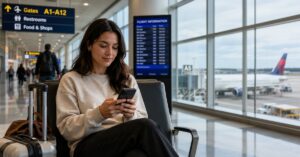
Booking a hotel, flight, or travel service has become quick and easy. With just a few clicks or messages, you can confirm your entire trip. This convenience has also opened the door for scammers.
Fake Booking Alert are becoming more common across travel, rentals, and event services. Scammers create fake reservations that look real, complete with confirmation emails, invoices, and even booking IDs.
The problem is simple. You think your booking is confirmed, but when you arrive, nothing exists. This guide explains how fake booking scams work and how you can protect yourself.
What Is a Fake Booking Scam?
A fake booking scam is a fraud where scammers provide fake reservation confirmations for services like hotels, flights, rentals, or events.
These scams often involve:
- Fake booking confirmations
- Edited invoices
- Invalid booking IDs
- Non-existent reservations
The goal is to collect money without providing any real service.
Why Booking Scams Are Increasing
There are several reasons.
- Growth in online booking platforms
- High demand for discounted deals
- Easy creation of fake documents
- Limited verification by users
These factors make booking scams highly effective.
How Fake Booking Scams Work
The process usually follows a pattern.
- Attractive Offer
A discounted booking is offered. - Communication
Scammer acts like an agent or seller. - Payment Request
You are asked to pay in advance. - Fake Confirmation
A booking receipt or ID is shared. - Failure at Check-in
Booking is not found.
Common Types of Fake Bookings
Fake hotel bookings, cloned travel websites, fraudulent payment links, fake confirmation emails, non-existent rental listings, overpayment scams, and impersonated agents asking for advance deposits are common fake booking scams.
1. Hotel Booking Scam
Fake hotel reservations with confirmation emails.
2. Flight Booking Scam
Invalid or cancelled tickets.
3. Rental Property Scam
Non-existent apartments or villas.
4. Event Booking Scam
Fake tickets or passes.
5. Cab or Transport Booking Scam
Fake ride reservations.
Real-Life Example
A traveller booked a hotel through a social media contact offering a discounted rate. After payment, a confirmation email was received.
At check-in, the hotel had no record of the booking. The confirmation was fake, and the contact stopped responding.
Warning Signs You Should Not Ignore
Look for these red flags.
- Deals that are too cheap
- Only chat-based communication
- No official booking platform
- Payment to personal accounts
- Screenshot confirmations instead of real emails
If you see these signs, verify before proceeding.
Fake Booking Scam Types and Protection Actions
| Scam Type | How It Works | Protection Action |
|---|---|---|
| Hotel Booking | Fake reservations | Confirm with hotel directly |
| Flight Booking | Invalid or cancelled tickets | Check on airline website |
| Rental Scam | Fake property listings | Use trusted platforms |
| Event Booking | Fake tickets | Buy from official sources |
| Transport Booking | Fake ride confirmations | Use verified apps |
Where These Scams Usually Happen
Scammers use multiple platforms.
- Social media
- Messaging apps
- Travel deal websites
- Classified listings
They target users looking for quick or cheap bookings.
Psychological Tricks Used
These scams rely on behaviour.
- Savings appeal: Cheap deals
- Urgency: Limited availability
- Trust: Professional documents
- Convenience: Easy booking
These tactics push quick decisions.
Quick Safety Checklist
Use this checklist before booking.
- Is the booking visible on official platform
- Is the provider verified
- Is the price realistic
- Is payment secure
- Can you confirm directly
If unsure, do not proceed.
What to Do Before Making a Booking
Before paying:
- Use trusted booking platforms
- Verify provider details
- Check reviews
- Confirm reservations directly
- Avoid relying on screenshots
These steps reduce risk.
What to Do If You Get Scammed
If you fall victim, act quickly.
- Contact your bank
- Report the transaction
- Save all communication
- Report the scam
- Monitor your accounts
Quick action improves recovery chances.
How to Verify Genuine Bookings
To ensure safety:
- Check booking on official websites
- Use valid booking IDs
- Confirm via email or phone
- Avoid third-party unknown links
Verification is essential.
Smart Habits for Safe Reservations
Develop habits that protect you.
- Avoid rushing bookings
- Verify before paying
- Use secure payment methods
- Keep records of bookings
- Stay informed about scams
These habits reduce risk.
Must Read:
Final Thoughts:
Fake booking scams are dangerous because they look real and professional. A simple mistake can ruin travel plans and cause financial loss.
Take a moment to verify before confirming any booking. That small step can protect your money and ensure a smooth travel experience.
Quick Action Summary
- Verify bookings on official platforms
- Avoid trusting screenshots
- Use secure payment methods
- Confirm directly with providers
- Stay alert to scam tactics
This guide helps you stay safe from fake booking scams and travel with confidence.