
Losing money on a rental booking can be stressful, especially when you are preparing for a vacation, business trip, family holiday, or weekend getaway. A rental booking scam can happen through a vacation rental platform, travel website, social media page, classified advertisement, fake property website, or even a phone number found through an online search. When you realize that something is wrong, the most important thing is to act quickly.
If you have lost money on a rental booking, do not assume that the money is automatically gone. Recovery is not guaranteed, but taking the right steps immediately can improve your chances of protecting your accounts, stopping additional losses, and reporting the incident properly.
A rental scam can take many forms. You may have paid for a property that does not exist, transferred money to someone impersonating a property owner, booked a fake apartment, paid a deposit that was never legitimate, or discovered that the rental was completely different from the advertisement. In some cases, the scammer may continue contacting you and ask for even more money.
This guide explains what to do if you have lost money on a rental booking, how to protect yourself after a suspicious transaction, how to contact your bank or payment provider, how to report the scam, and how to reduce the risk of similar problems in the future.
Stay Calm and Stop Sending Money
The first thing to do if you have lost money on a rental booking is to stop and assess what happened.
Scammers often try to keep victims engaged after the first payment. They may claim that another payment is required to confirm the reservation, release a security deposit, process a refund, verify your identity, or unlock your booking.
You may hear statements such as:
- “You need to pay one more fee.”
- “Your refund is waiting for verification.”
- “The deposit cannot be released until you pay a processing charge.”
- “Your reservation will be canceled unless you pay immediately.”
- “Send the payment and we will refund the full amount.”
- “Your bank transfer has failed, so please try again.”
Do not automatically believe these explanations.
If you suspect fraud, stop communicating with the person until you can verify the situation through an official channel.
The biggest mistake after losing money on a rental booking can be sending even more money because you are trying to recover the original amount.
Confirm Whether the Booking Is Actually a Scam
Before taking further action, determine what happened.
Not every rental problem is a scam.
A legitimate host may have made a mistake, a property manager may have canceled unexpectedly, or a platform may have experienced a technical issue.
However, certain signs can strongly suggest fraudulent activity.
You may have encountered a rental scam if:
- The property does not exist.
- The address does not match the listing.
- The host asks you to pay outside the booking platform.
- The payment method is unusual.
- The host disappears after receiving money.
- The listing photographs appear to belong to another property.
- The price was dramatically lower than comparable rentals.
- The person pressures you to pay immediately.
- The booking confirmation appears fake.
- The website looks like a copy of a legitimate travel company.
- You are asked for additional money after payment.
- The property is unavailable when you arrive.
If several of these warning signs appear together, treat the situation seriously.
Contact Your Bank Immediately
If you have lost money on a rental booking, contacting your bank or payment provider should be one of your first actions.
Do not wait several days before reporting a suspicious transaction.
Tell the bank that you believe the payment may be connected to fraud or a rental booking scam. Provide as much information as possible.
You may need to provide:
- Transaction date
- Transaction amount
- Recipient information
- Account number
- Payment reference
- Transaction ID
- Website address
- Phone number
- Email address
- Screenshots
- Booking confirmation
- Communication with the seller or host
The bank can explain what options may be available based on the payment method.
Recovery is not guaranteed. Whether money can be recovered depends on the payment method, timing, transaction circumstances, and other factors.
Still, reporting the transaction quickly is important.
Why Speed Matters
Once money reaches a scammer, they may quickly move it between accounts or withdraw it.
The sooner you report the transaction, the sooner your financial institution can assess the situation.
If the transaction is still pending, there may be different options compared with a transaction that has already been completed.
That is why waiting is rarely a good strategy after losing money on a rental booking.
Contact Your Card Issuer If You Paid by Card
If you paid for a rental using a credit or debit card, contact the card issuer.
Explain that you believe the payment was fraudulent or that the service you paid for may not be legitimate.
Ask what dispute or chargeback options are available.
Keep your explanation factual.
Provide:
- The name of the merchant
- Amount charged
- Date of payment
- What you expected to receive
- What actually happened
- Any evidence you have
Your card issuer may ask you to complete a dispute form or provide supporting documentation.
Do not assume that every rental dispute qualifies for a chargeback. The available process depends on the card network, issuer, transaction type, and circumstances.
However, contacting the issuer quickly gives you the opportunity to understand your options.
What If You Paid Through a Bank Transfer?
Bank transfers can be particularly challenging because they may be difficult to reverse after the recipient receives the money.
If you have lost money on a rental booking through a bank transfer, contact your bank immediately.
Tell them that you believe the transfer was connected to a scam.
Provide the recipient's information and transaction reference.
Ask whether the bank can:
- Recall the transfer
- Contact the receiving institution
- Place a hold where possible
- Open a fraud investigation
- Explain the next available steps
Do not send another transfer to the same recipient while waiting for a response.
What If You Paid Through UPI?
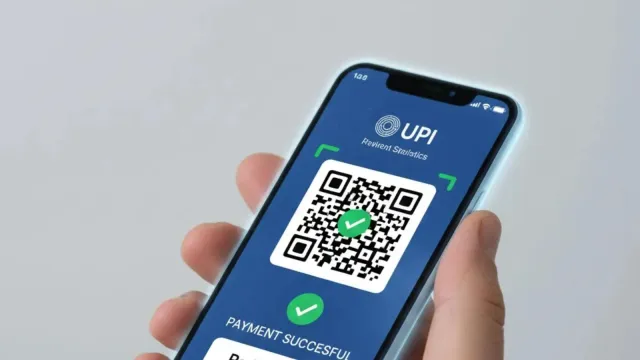
For travelers in India, UPI is a convenient payment method, but scammers can also exploit it.
If you have lost money on a rental booking through UPI, contact your bank and the relevant payment service as soon as possible.
Keep the UPI transaction ID and screenshots.
You should also report suspected online financial fraud through India's official cybercrime reporting system as quickly as possible.
Fast reporting is important because authorities and financial institutions may have more options when a fraudulent transaction is reported promptly.
What If You Paid With Cryptocurrency?
Cryptocurrency payments can be difficult to reverse.
If a rental scammer asked you to pay in cryptocurrency, preserve the transaction details immediately.
Record:
- Wallet address
- Transaction ID
- Date
- Amount
- Cryptocurrency used
- Exchange or wallet service
- Messages from the scammer
- Website information
Contact the cryptocurrency exchange or wallet provider if applicable and ask what reporting or security options are available.
Do not send additional cryptocurrency to anyone claiming they can recover your original funds.
This is important because victims of rental scams can become targets for a second scam.
Beware of Recovery Scams
After losing money on a rental booking, you may search online for ways to recover the funds.
This can expose you to another type of fraud.
A person may contact you and claim:
“We can recover your money.”
“We have located the scammer.”
“We work with your bank.”
“We can get your refund for a small fee.”
“We need your banking password to recover the payment.”
Be extremely cautious.
A recovery scam targets people who have already lost money.
The person may demand an upfront payment or sensitive financial information.
Do not give a stranger remote access to your computer or phone. Do not provide passwords, one-time verification codes, or banking credentials.
Before trusting anyone offering recovery services, independently verify who they are and why they are contacting you.
Contact the Rental Platform
If the booking was made through a legitimate rental platform, contact the platform using its official website or app.
Do not use a phone number or email address provided by the suspicious host.
Report the listing, host, payment request, or communication.
Provide all relevant evidence.
The platform may ask for:
- Booking number
- Property listing
- Host name
- Messages
- Payment records
- Screenshots
- Dates
- Description of what happened
Even if the platform cannot recover your money, reporting the incident can help identify suspicious accounts and potentially protect other travelers.
Do Not Delete Your Messages
One of the most important steps after losing money on a rental booking is preserving evidence.
You may be tempted to delete the messages because they are upsetting or because you no longer want to communicate with the scammer.
Do not delete them.
Save copies of:
- Emails
- Text messages
- WhatsApp messages
- Platform messages
- Booking confirmations
- Payment receipts
- Bank statements
- Screenshots
- Property photos
- Listing descriptions
- Phone numbers
- Email addresses
- Website URLs
- Social media profiles
If the listing disappears, your screenshots may become especially valuable.
Take Screenshots of the Rental Listing
If you still have access to the property listing, save screenshots immediately.
Capture:
- Property name
- Photos
- Description
- Price
- Host profile
- Reviews
- Address
- Contact details
- Booking terms
- Cancellation policy
Scammers may delete or modify listings after receiving payments.
Having evidence of what was originally advertised can help when explaining the problem to the platform, bank, payment provider, or authorities.
Check Your Accounts for Unauthorized Activity
A rental scam may involve more than losing the original payment.
If you shared personal information, account credentials, or payment details, there may be additional risks.
Review your:
- Bank accounts
- Credit cards
- Email account
- Travel accounts
- Rental platform accounts
- Payment apps
- Social media accounts
Look for unfamiliar activity.
If you notice an unauthorized transaction, report it immediately.
Change Your Passwords
If you provided a password to a suspicious person or entered your login details on a questionable website, change your password immediately.
If you reused that password elsewhere, change those accounts too.
Use unique passwords for important accounts.
Enable two-factor authentication where available.
Never share one-time passwords or authentication codes with someone claiming to be customer support.
A genuine customer service representative should not need your password or authentication code simply to provide ordinary assistance.
If You Gave Remote Access to Your Device
Some scammers claim they need remote access to your computer or phone to process a refund or fix a booking.
This can create significant security risks.
If you gave someone remote access, disconnect the session and take steps to secure the device.
Change important passwords from a trusted device if possible.
Check for unfamiliar applications or software that may have been installed.
If you are concerned that sensitive information was exposed, consider getting professional cybersecurity assistance.
Report the Rental Scam
Reporting the incident is important even if you think the money cannot be recovered.
You may need to report the scam to:
- Rental platform
- Bank
- Card issuer
- Payment provider
- Local law enforcement
- National cybercrime reporting service
- Relevant consumer protection authority
Your report may help connect your case with other complaints involving the same scammer.
Reporting in India
If you are in India and have lost money on a rental booking because of suspected online fraud, report the incident through the official Indian cybercrime reporting channels and contact your bank or payment provider immediately.
For financial cyber fraud, quick reporting can be particularly important.
Keep the transaction ID, phone number, UPI information, bank details, screenshots, and communication available when making the report.
Do not feel embarrassed about reporting the incident.
Online rental scams are designed to look convincing, and many people can become victims.
If You Are Already at the Destination
A particularly difficult situation occurs when you have lost money on a rental booking and only discover the scam after arriving at the destination.
For example, you may arrive at the address and discover that the property does not exist or that the actual owner has never heard of your reservation.
Your immediate priority should be finding a safe place to stay.
Do not enter a property if you are unsure that you have permission to be there.
If necessary, book temporary accommodation through a trusted source while you investigate the situation.
Keep receipts for additional expenses because they may be relevant when discussing the dispute with the platform or payment provider.
Contact the rental platform through its official support channel.
If you believe criminal activity has occurred, contact the appropriate local authorities.
How to Tell if a Rental Booking Is Suspicious
The best way to deal with rental scams is to identify warning signs before making payment.
The Price Is Extremely Low
A price significantly below comparable rentals deserves additional research.
A low price does not automatically mean a scam, but it should encourage you to compare the property with similar options.
The Host Wants Payment Outside the Platform
This is one of the most important warning signs.
A host may claim that paying directly will reduce fees or secure a discount.
Be cautious about such requests.
The Host Creates Urgency
Statements such as “Pay within the next hour” or “Someone else is waiting” are designed to make you act quickly.
Do not let urgency prevent proper verification.
The Property Photos Look Suspicious
Search for inconsistencies in the photographs and property description.
If the images look unusually professional or appear to be from another location, investigate further.
The Address Does Not Make Sense
Check the property location using an independent map or reliable source.
Make sure the address actually exists and matches the description.
Communication Feels Unusual
Pay attention if the person avoids answering basic questions or repeatedly changes the details of the booking.
Small inconsistencies can become important warning signs when combined.
How to Verify a Rental Before Paying
Preventing a rental scam is easier than recovering money afterward.
Before making a payment, verify the property as much as reasonably possible.
Research the Property
Search the property name and address independently.
Look for consistent information across reliable sources.
If you discover the same photographs associated with different properties, stop and investigate.
Check Reviews
Read multiple reviews rather than relying only on the overall rating.
Look for detailed comments about:
- Check-in
- Cleanliness
- Property accuracy
- Host communication
- Location
- Amenities
Be cautious if reviews appear repetitive, vague, or inconsistent.
Compare Prices
Compare several similar rentals for the same dates.
If one property is dramatically cheaper without an obvious explanation, investigate before booking.
Use Official Booking Channels
Whenever possible, make payments through the established booking platform.
Avoid unusual payment requests.
Read the Cancellation Policy
Understand what happens if the host cancels, you cancel, or something goes wrong with the property.
Knowing the policy before booking can make it easier to respond if a problem occurs.
What Not to Do After Losing Money
Knowing what not to do is just as important as knowing what to do.
Do not:
- Send more money to the suspected scammer
- Share your banking password
- Share an OTP or verification code
- Give remote access to your device
- Delete evidence
- Wait several weeks before reporting the payment
- Trust someone promising guaranteed recovery
- Click suspicious refund links
- Provide additional card details to an unknown caller
If someone says you need to pay another fee to recover the original money, stop and independently verify the claim.
Can You Get Your Money Back?

If you have lost money on a rental booking, you may wonder whether the money can be recovered.
There is no guaranteed answer.
Recovery depends on factors such as:
- Payment method
- How quickly the fraud was reported
- Whether the payment is still pending
- Whether the recipient can be identified
- Platform policies
- Bank procedures
- Card network rules
- Evidence available
- Local laws
Credit and debit card transactions may have dispute processes. Bank transfers can be more difficult to reverse. Cash and cryptocurrency payments can present additional challenges.
Even when recovery is uncertain, you should still report the transaction.
Lessons From a Rental Booking Scam
A rental scam can teach valuable lessons for future travel planning.
The biggest lesson is to avoid making decisions based only on a low price.
A rental that appears to offer an incredible deal may require additional investigation.
The second lesson is to keep important communication and payment activity within the official booking process whenever possible.
The third lesson is to verify the property before sending money.
And finally, trust your instincts.
If something feels unusually rushed, complicated, or secretive, take a step back.
Rental Booking Scam Checklist
If you have lost money on a rental booking, use this checklist immediately:
- Stop sending additional money.
- Save all messages and booking information.
- Screenshot the rental listing.
- Contact your bank or payment provider.
- Contact your card issuer if you paid by card.
- Report the booking to the rental platform.
- Secure your online accounts.
- Change compromised passwords.
- Monitor bank and card activity.
- Report the scam to the appropriate authorities.
- Be cautious of recovery scams.
- Keep records of every report and communication.
Having a checklist can make a stressful situation easier to manage.
Must Read:
- Fake Customer Care Numbers for Travel Booking (Google Scam)
- I Got Scammed on Vrbo: Here’s What Happened
- Top 5 Travel Booking Mistakes That Can Ruin Your Trip
Final Thoughts:
If you have lost money on a rental booking, acting quickly is one of the most important things you can do. Do not send additional money simply because the person who took your original payment promises to fix the situation. Stop communication when necessary and start documenting everything.
Contact your bank, card issuer, or payment provider as soon as possible. Report the suspicious booking to the rental platform through its official website or app. Preserve screenshots, messages, receipts, payment records, property information, and other evidence.
If your account information may have been exposed, change your passwords and secure your accounts. If you paid through UPI or another digital payment method, report the transaction quickly through the appropriate financial and cybercrime channels.
Most importantly, be careful of anyone who contacts you after the scam and promises to recover your money for an upfront fee. Recovery scams often target people who have already experienced financial loss.
A rental scam can be upsetting, but taking the right steps can help you regain control of the situation. The experience can also make future travel bookings safer. Compare prices, verify property details, read reviews, understand cancellation terms, use trusted payment methods, and be cautious when someone tries to move the transaction outside the normal booking process.
The key lesson is simple: if you have lost money on a rental booking, do not wait and do not pay more. Document the situation, contact your financial provider, report the scam, secure your accounts, and use official channels for every follow-up step.