- Do not click links in traffic violation texts
- Never pay fines through unknown links
- Verify fines through official government websites
- Ignore messages from unknown numbers
- Report suspicious messages immediately
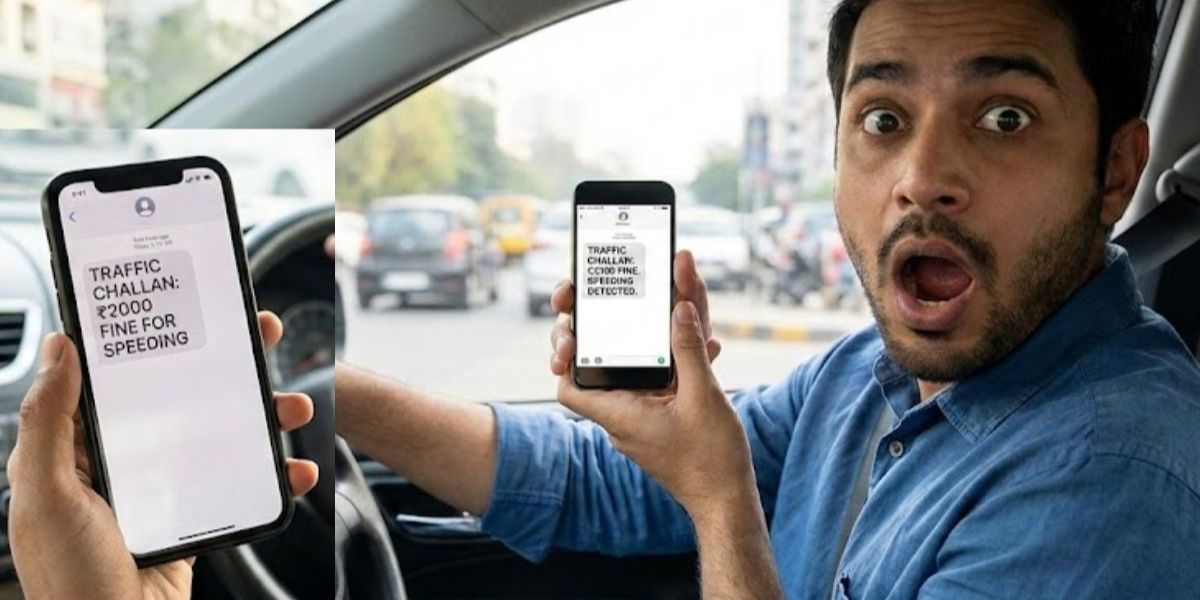
Got a Traffic Fine Email or SMS, Receiving a message about a traffic violation can be stressful. It often mentions a fine, penalty, or legal action if you don’t act quickly. Most people react immediately because they want to avoid trouble.
Scammers use this fear to their advantage. Fake traffic violation text scams are designed to look official and urgent. They often include links to pay fines or verify details.
The moment you click that link or enter your information, you risk losing money or exposing your personal data. This guide explains how these scams work and how you can stay safe.
What Is a Traffic Violation Text Scam
A traffic violation text scam is a fraudulent message that claims you have committed a traffic offence and must pay a fine.
These messages usually include:
- A fake violation notice
- A payment link
- Threats of penalties
- Urgent deadlines
The goal is to trick you into paying or sharing sensitive information.
Why These Scams Are Increasing
There are several reasons.
- Easy mass messaging through SMS
- People fear legal consequences
- Many users don’t verify official sources
- Scammers can create realistic messages
These factors make the scam effective.
How Traffic Fine Scams Work
The process is simple.
- Message Sent
You receive a text about a violation. - Urgency Created
The message threatens penalties or action. - Link Provided
A link directs you to a fake website. - Data or Payment Request
You are asked to pay or enter details. - Fraud Occurs
Money is stolen or data is misused.
Common Types of Traffic Violation Scams
Fake traffic fines via SMS or email, phishing links for payment, impersonated police calls, QR code payment scams, cloned government websites, and threats of penalties or licence suspension are common traffic violation scams.
1. Fake Fine Payment Link
Message asks you to pay immediately.
2. Account Verification Scam
Requests personal or vehicle details.
3. Legal Threat Scam
Claims legal action if you don’t respond.
4. Refund Scam
Offers refund for overpaid fines.
5. App Download Scam
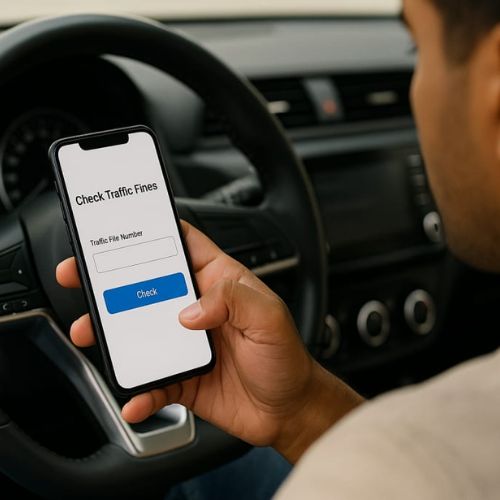
Asks you to install an app to check fines.
Real-Life Example
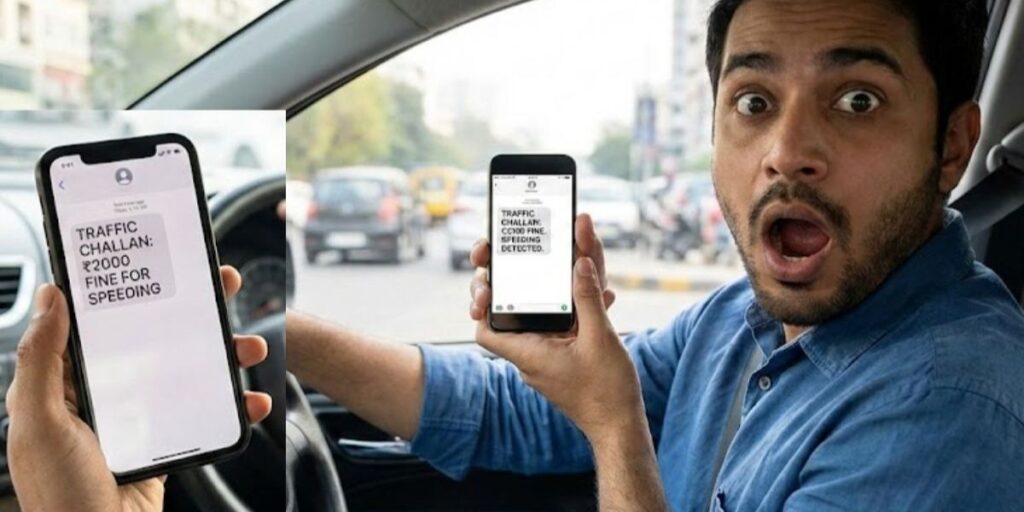
A user received a message claiming they had an unpaid traffic fine. The message included a link and warned of legal action.
The user clicked the link and entered payment details. Later, unauthorised transactions were made from their account.
The message was not from any official authority.
Warning Signs You Should Not Ignore
Look for these red flags.
- Unknown sender number
- Generic messages without details
- Suspicious or shortened links
- Urgent payment demands
- Poor grammar or formatting
If you notice these signs, do not engage.
Traffic Scam Types and Protection Actions
| Scam Type | How It Works | Protection Action |
|---|---|---|
| Payment Link Scam | Fake payment website | Use official government site |
| Data Theft Scam | Requests personal details | Do not share information |
| Legal Threat Scam | Creates fear of penalties | Verify through official channels |
| Refund Scam | Claims refund process | Ignore unknown offers |
| App Scam | Promotes fake apps | Avoid unknown downloads |
How Scammers Get Your Number
Scammers use various methods.
- Data leaks
- Online registrations
- Random number generation
- Social media exposure
They send messages to large groups hoping some will respond.
Psychological Tricks Used
These scams rely on behaviour.
- Fear: Legal consequences
- Urgency: Immediate action required
- Authority: Government-like tone
- Confusion: Lack of details
These tactics push quick decisions.
Quick Safety Checklist
Use this checklist when you receive such a message.
- Is the sender verified
- Does the message include a link
- Are you being asked to pay quickly
- Can you verify the fine elsewhere
- Does it feel suspicious
If unsure, do not proceed.
What to Do If You Receive Such a Message
If you get a traffic violation text:
- Do not click the link
- Do not reply
- Delete the message
- Block the number
- Report the scam
Ignoring it is often the safest option.
What to Do If You Clicked the Link
If you clicked the link:
- Do not enter any information
- Close the page immediately
- Scan your device
- Change passwords
- Inform your bank if needed
Quick action reduces risk.
How to Verify Real Traffic Fines
To check genuine fines:
- Visit official government websites
- Use authorised apps
- Contact traffic authorities directly
- Check official notices
Avoid relying on SMS links.
Smart Habits for Long-Term Safety
Develop habits that protect you.
- Be cautious with unexpected messages
- Avoid clicking unknown links
- Verify before paying
- Keep personal data secure
- Stay informed about scams
These habits reduce risk.
Must Read: Mortgage Relief Offer? It Could Be a Scam
Final Thoughts:
Traffic violation text scams are designed to create fear and urgency. A simple message can lead to financial loss if not handled carefully.
Take a moment to verify before acting. That small step can protect your money and your personal information.
Quick Action Summary
- Do not trust traffic violation texts
- Avoid clicking unknown links
- Verify fines through official sources
- Do not share sensitive details
- Stay alert to scam tactics
This guide helps you stay safe from traffic violation scams and avoid falling for fake fine messages.