- Buy insurance only from trusted providers
- Verify policy details before payment
- Avoid extremely cheap insurance plans
- Check company registration and reviews
- Use secure payment methods
Travel Insurance Scam Alert, Travel insurance gives peace of mind. Whether it’s medical emergencies, trip cancellations, or lost baggage, a good policy protects you from unexpected situations during your journey.
But not all insurance offers are real. Travel insurance scams are increasing, especially online. Scammers create fake policies that look legitimate but provide no actual coverage.
The risk becomes clear when you need help and realise your insurance is worthless. This guide explains how travel insurance scams work and how you can avoid buying fake coverage.
What Is a Travel Insurance Scam
A travel insurance scam is a fraud where fake or invalid insurance policies are sold to travellers.
These scams may involve:
- Fake insurance companies
- Invalid policy documents
- Misleading coverage details
- Fake claim processes
The goal is to collect money without providing real protection.
Why These Scams Are Increasing
There are clear reasons.
- More people travelling internationally
- Mandatory insurance requirements in some cases
- Easy creation of fake websites
- Lack of awareness about policy verification
These factors make insurance scams more common.
How Travel Insurance Scams Work
The scam usually follows a pattern.
- Attractive Offer
Cheap insurance plans are advertised. - Professional Appearance
Website and documents look real. - Payment Request
You are asked to purchase the policy. - Fake Policy Issued
A document is sent as proof. - No Coverage
Claims are rejected or ignored.
Common Types of Insurance Scams
Fake policies, phishing emails, claim fraud, impersonated agents, premium theft, staged accidents, identity misuse, and fake renewal notices are common types of insurance scams targeting policyholders.
1. Fake Policy Scam
Policies that have no real coverage.
2. Cheap Premium Scam
Unrealistically low-cost plans.
3. Claim Fraud Scam
Fake claim assistance services.
4. Phishing Insurance Scam
Sites collecting personal data.
5. Renewal Scam
Fake policy renewal requests.
Real-Life Example
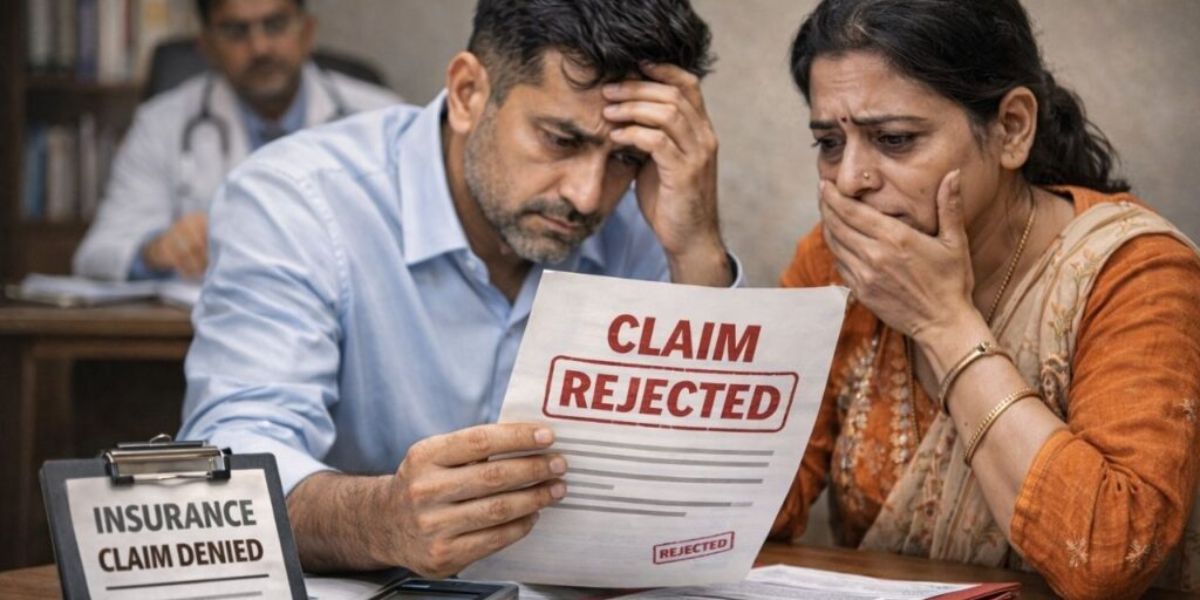
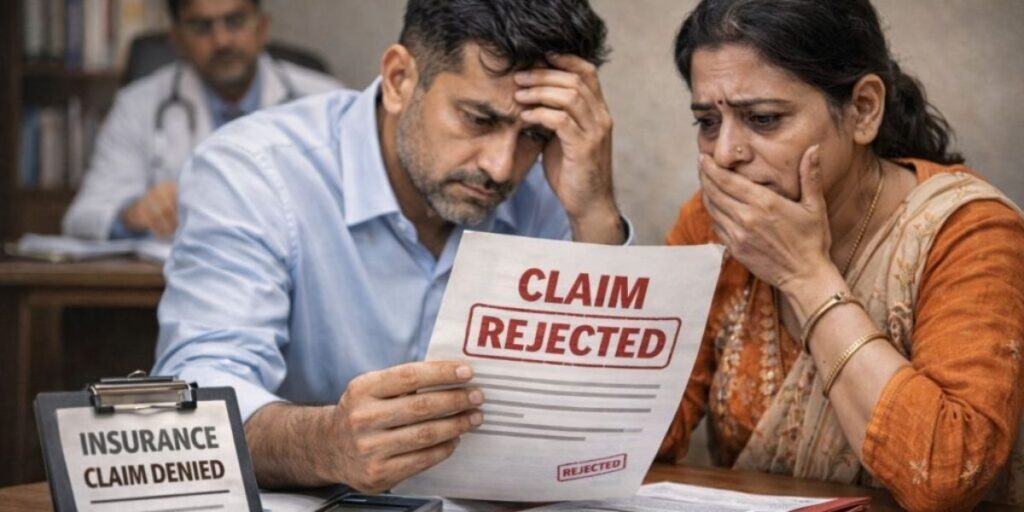
A traveller purchased a low-cost travel insurance policy from an unfamiliar website. The policy document looked professional.
During the trip, a medical emergency occurred. When the traveller tried to claim, the company was unreachable.
The policy was fake, and no coverage existed.
Warning Signs You Should Not Ignore
Look for these red flags.
- Extremely low premiums
- No verified company details
- Poor customer support
- No clear policy terms
- Payment through unusual methods
If you see these signs, avoid the offer.
Travel Insurance Scam Types and Protection Actions
| Scam Type | How It Works | Protection Action |
|---|---|---|
| Fake Policy | Invalid coverage | Buy from trusted insurers |
| Cheap Premium | Unrealistically low pricing | Compare with market rates |
| Claim Scam | Fake assistance for claims | Contact official support |
| Phishing Site | Collects personal data | Verify website authenticity |
| Renewal Scam | Fake renewal notices | Check policy directly |
How Scammers Target Travellers
Scammers use multiple platforms.
- Travel booking websites
- Social media ads
- Email promotions
- Search engine ads
They target users planning trips.
Psychological Tricks Used
These scams rely on behaviour.
- Security need: Desire for protection
- Savings: Cheap premiums
- Urgency: Last-minute purchase
- Trust: Professional appearance
These tactics push quick decisions.
Quick Safety Checklist
Use this checklist before buying insurance.
- Is the insurer verified
- Are policy terms clear
- Is pricing realistic
- Is customer support available
- Can you confirm coverage
If unsure, do not buy.
What to Do Before Buying Insurance
Before purchasing:
- Research the insurer
- Check official registration
- Read policy terms carefully
- Compare plans
- Use official websites
These steps reduce risk.
What to Do If You Get Scammed
If you fall victim, act quickly.
- Contact your bank
- Report the transaction
- Save all documents
- Report the scam
- Monitor your accounts
Quick action improves recovery chances.
How to Verify Genuine Travel Insurance
To ensure safety:
- Use well-known insurance providers
- Check official websites
- Verify policy details
- Confirm customer support
Verification is essential.
Smart Habits for Safe Travel Planning
Develop habits that protect you.
- Avoid rushing purchases
- Verify before paying
- Keep records of policies
- Stay informed about scams
- Trust verified providers
These habits reduce risk.
Must Read:
- Tourist Taxi Scams You Must Know Before You Travel
- Travel App Scam Alert: That Booking App Isn’t Real
- Boarding Pass Scam Alert: Your Flight May Not Exist
Final Thoughts:
Travel insurance scams can leave you unprotected when you need help the most. A fake policy may look real but offers no security.
Take a moment to verify before buying. That small step can protect your money and your trip.